Learning, Professional Development, and Resource Efficiency: The cascading impacts of student-initiated projects for campus sustainability
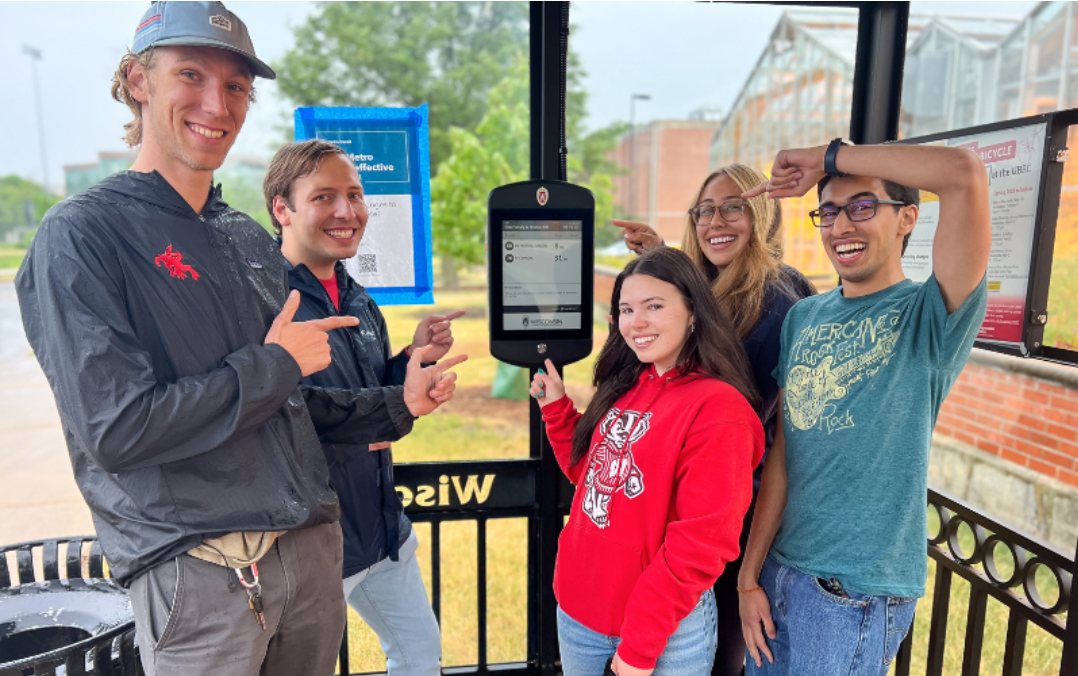
Photo Credit: Lauren Graves, University of Wisconsin–Madison
Link to the JSE March 2026 General Issue Table of Contents
Stanton Wahl Aley Monterusso Hicks JSE March 2026 General Issue PDF
Abstract: Higher education institutions can function as living laboratories for sustainability initiatives that foster innovation and catalyze systemic change. This study examines the educational and professional outcomes of the University of Wisconsin–Madison (UW–Madison) Green Fund, a program using campus as a living laboratory to pilot sustainability initiatives on campus. The Green Fund supports student-initiated projects that address the environmental footprint, social impact, and operating costs of campus facilities. As the campus is utilized to explore sustainable solutions, the university can function as a microcosm for society, allowing for lower risk trials of emerging technologies and processes. A survey was conducted to understand the quantitative and qualitative outcomes of student participation in the Green Fund. The survey questions were aligned with the essential learning outcomes and a leadership framework of the institution. Respondents reported that Green Fund participation benefitted them professionally and academically, including by enhancing their academic and professional confidence, allowing them to explore their interests, and improving their leadership skills. Over 90% of respondents agreed that participating in the Green Fund will make a positive impact at UW–Madison and on their future professional life. In open-response questions, respondents noted the complex, interdisciplinary nature of sustainability as well as their individual interest in sustainability. The results indicate that the Green Fund provides skills and resources that are important for preparing the next generation to address wicked problems locally through serving as a living laboratory for sustainability initiatives. The results also demonstrate how the Green Fund supports campus sustainability and larger institutional sustainability goals, including fostering sustainability education experiences, achieving net-zero emissions, and creating a Zero Waste campus. These findings provide support for other higher education institutions looking to implement or continue a green fund. This work is one of the first to explore the educational and professional outcomes of a campus green fund.
Keywords: Green fund, campus as a living lab (CALL), sustainability education (SE), higher education institution (HEI), campus sustainability, student initiatives
Introduction
Sustainability Education (SE) is challenging to define and often misunderstood as to what it includes across disciplines. Often, it includes teaching about sustainability topics, but it should also include how individuals teach and learn. SE “supports systems thinking, ecological thought, and equitable practices that build inclusive learning communities across a range of settings” (Wahl & Rudinger, 2025, p. 2). A range of settings considers learning beyond the classroom and includes experiential, place-based education approaches. Place-based education is an approach that “frames authentic real-world experiences that reflect experiential education and sustainability education” (Wahl & O’Neil, 2019, p. 4). By connecting to place, students gain an understanding that they are part of a socio-environmental system, and this fosters sustainability through a reinforcement of relationships and ecological literacy (Capra, 2007). Pedagogy of place gives students greater insights into socio-environmental systems and resiliency. A key mechanism in understanding place is understanding the resilience of systems and one’s place in it (Capra, 2007). In studying a sense of place, students learn that the stability of a system includes a resistance to change but also their ability to adapt if such change occurs. This enables students to be reflective and learn adaptability in times of change, which is key to SE. Higher education institutions (HEIs) are critical teaching-learning systems that are able to provide sustainability education connected to place for students.
As a result of their research, Favaloro et al., (2019) found that “students are not prepared for the rigors of learning for sustainability” (Favaloro et al., 2019, p. 109). HEIs are uniquely positioned to address this issue through their connections to resources, sustainability research, and practices in their campus and local community. HEIs are widely seen as innovators, particularly with respect to emerging issues (Posner & Stuart, 2013). This is a critical role for the societal transformation necessary to address wicked problems (Rittel & Webber, 1973), including climate change (Purcell et al., 2019). Additionally, HEIs can be considered microcosms of society (Brinkhurst et al., 2011; Owens & Halfacre-Hitchcock, 2006) and are sometimes compared to small cities (Favaloro et al., 2019) based on their size and resource consumption. The scale of HEIs allows for resource conservation efforts to be impactful when sustainability is integrated into the teaching, learning, research, and operations of the HEI. Since HEIs serve as a microcosm of society, they can serve as trial sites for sustainable innovations through campus initiatives. Student learning connected to sustainable innovations at HEIs exemplifies sustainability education and literacy. Sustainability literacy is something that many HEIs are currently improving, including the Universities of Wisconsin System (D. Beall, personal communication, 2022). One approach that can contribute to sustainability literacy includes experiential, place-based education and using the Campus As a Living Laboratory (CALL).
Campus As a Living Laboratory
Connecting experiential learning with real-life examples grounded in place strengthens sustainability education. HEIs are socio-environmental systems that are positioned to provide a wealth of innovation and practical, valuable learning beyond the traditional classroom to learning within a living laboratory on campus. Succinctly, “the microcosm that is the college campus is an ideal ‘living lab’ at which students can engage in experiential learning while contributing to the sustainability of a real-world system” (Favaloro et al., 2019, p. 93). In CALL, a living laboratory is defined as “a testing ground within a campus’s natural, social, and built environment in which problem-based teaching, research and applied work combine to iteratively deploy and test actionable solutions in a real-world system that improve the sustainability of that system” (Favaloro et al., 2019, p. 106).
CALL has three characteristics that make it different from service-based learning experiences or practicums. These include: a space that has geographic or institutional boundaries, intentional experiments or projects for change, and an iterative process in learning (Evans & Karvonen, 2014). Verhoef et al. (2019) add that a living lab is co-created by HEI stakeholders. This co-creation strengthens experiential learning experiences through collaborative efforts, and is key to CALL (van der Wee et al., 2024). In addition to stakeholders and co-creation, Favaloro et al. (2019) state that CALL requires “incubators” and “coordinators” to apply the living lab component. Incubators provide training and support for student learning while coordinators facilitate collaboration between interested participants (Favaloro et al., 2019). These entities further support collaborative efforts to increase student learning and institutional sustainability. CALL essentially provides a structure for sustainability education while integrating experiential, place-based learning to provide actionable steps.
The instances of employing CALL as a sustainability education approach have been increasing as the ways of measuring and tracking CALL efforts at HEIs expand over the years (Lindstrom, 2020). The numerous benefits of an experiential, place-based approach stand to reason as CALL leads to problem-solving for students that is visible to the campus community and beyond (Rivera & Savage, 2020). This lays the groundwork for a more holistic understanding of sustainability by individuals who may be inspired to lead CALL projects through exemplars at HEIs. Furthermore, it provides a robust knowledgebase for sustainability challenges and understanding (König & Evans, 2013). Many CALL efforts are largely tied to organizations that support student projects (Lindstrom, 2020), such as green funds at HEIs.
Campus Green Funds
Sustainability education and campus sustainability are iterative, collective efforts between institutional stakeholders. When working towards campus sustainability, collaboration between students, staff, faculty, and administrators can be vital to success. Students work from the bottom-up, staff and faculty work from the middle-out, and administrators work from the top-down to create institutional change (Brinkhurst et al., 2011). One type of program bridging these efforts at HEIs around the world and providing middle-out coordination for CALL projects is a green fund. A “green fund” is a reserve of money made available for projects that focus on improving the sustainability of an institution. A green fund may be supported by student fees, institutional funds, donations, and/or student government funds (Association for the Advancement of Sustainability in Higher Education [AASHE], n.d.-b). A green fund may also be a revolving fund that gets replenished by cost savings generated by funded projects. The funds may have different names based on their specific structure and focus, whether known as a green fund, green revolving fund, green fee, student sustainability fund, climate action fund, or another name. This study focuses on the University of Wisconsin–Madison’s (UW–Madison’s) formally named Green Fund program and uses the uncapitalized term “green fund” to refer to the general concept of financial support for resource efficiency and sustainability projects at HEIs.
The Association for the Advancement of Sustainability in Higher Education (AASHE) manages an international database of campus green funds (AASHE, n.d.-b). The database includes over 250 HEIs in five countries, 45 states in the United States, and seven Canadian provinces (AASHE, n.d.-b). The database also provides publications on green funds, including two informational reports co-published by AASHE: “How-to guide: Campus green fund implementation” (Beverage et al., 2018) and “Green Revolving Funds: An Introductory Guide to Implementation & Management” (Indvik et al., 2013). The broader literature around green funds includes academic and professional publications. The literature describes fund sources (Aley et al., 2022), structures (Ozeki, 2010), initiatives (Uelmen et al., 2020), barriers (Maiorano & Savan, 2015), collaborations (Aley et al., 2022), student willingness to pay (González-Ramírez et al., 2021), and more. The literature covers the co-benefits of green funds for students and HEIs, while the exact roles of students in the funds are still evolving (Aley et al., 2022). This work is one of the first to investigate the learning and professional development outcomes of a HEI green fund.
Case Study
At the UW–Madison, sustainability is defined as “the process of teaching, learning, researching, and operating in our community that actively contributes to the equitable, just, and healthy management of our planetary environment, now and in the future” (“Defining Sustainability”, n.d.-c). This definition has expanded from the historical focus on conservation and stewardship of the university (“History of Sustainability”, n.d.-h) to ensure that the principles and practices were also equitable and profitable. Sustainability at UW–Madison connects readily to the triple bottom line (TBL), which expands upon environmental impacts to include social and economic impacts. The TBL had its beginnings in the business world, expanding from the idea of an economically-driven “bottom line.” As governments and citizens pressured businesses to take accountability for a wider range of impacts, the idea of the TBL emerged (Elkington, 1998). A product or process is sustainable when all three considerations of the economy, environment, and society are balanced and integrated. Then, sustainability is found at the intersection of the economy, society, and environment (Dalibozhko & Krakovestskaya, 2018). Recent sustainability commitments at UW–Madison include the five institutional sustainability goals launched in 2024: achieve net-zero emissions, create a Zero Waste campus, support cross-campus involvement, catalyze innovative research, and foster educational experiences (“Campus Sustainability Goals”, n.d.-a). Additionally, CALL work is currently being conducted at UW–Madison, from research on plastic waste disposal behaviors (Morris et al., 2024) and post-pandemic commuting (Stanton et al., 2025), to chemistry education (Lindstrom & Middlecamp, 2017) and physics education (Lindstrom & Middlecamp, 2018).
CALL is also further facilitated by the UW–Madison Green Fund, which plays a key role in advancing institutional sustainability. The Green Fund is housed in the Office of Sustainability and “supports student-initiated projects that address the environmental footprint, social impact, and operating costs of campus facilities” (“Green Fund Program”, n.d.-g). Green Fund projects lead to measurable resource conservation and improved campus sustainability. For instance, Uelmen et al. (2020) described the water and energy savings of installing low-flow toilets at a UW–Madison residence hall with the support of the Green Fund. Some additional examples include projects where students installed energy efficient lighting, commissioned local artists to create art for a multicultural student center, and piloted a food waste reduction technology in a dining location. When students apply to the Green Fund, they work with staff to prepare calculations that describe the anticipated sustainability impacts resulting from their proposed initiative. Green Fund staff use these calculations and utility meter data to track the long-term impacts of projects on resource conservation and campus sustainability.
As a process embedded in an HEI, the Green Fund staff facilitate student learning in every step of the development, implementation, and reporting processes (Figure 1), offering opportunities to build skills and experience for the next generation of sustainability professionals. At times, this involved generating project ideas as a part of a course (Aley et al., 2022); more often, though, students participate in the Green Fund as an extracurricular activity. Additionally, the Green Fund connects students interested in practical experiences and staff with technical skills. As the impact of student-initiated projects is often minimized by the structure of campus systems (Brinkhurst et al., 2011; Owens & Halfacre-Hitchcock, 2006), the coordination significance of the Green Fund cannot be understated. Since its inception in 2017, the Green Fund has developed over 200 initiatives to address campus resource use, encouraged over 670 students in their sustainability journeys, and disbursed over $500,000 in funding for campus infrastructure projects (I. Aley, personal communication, 2026).
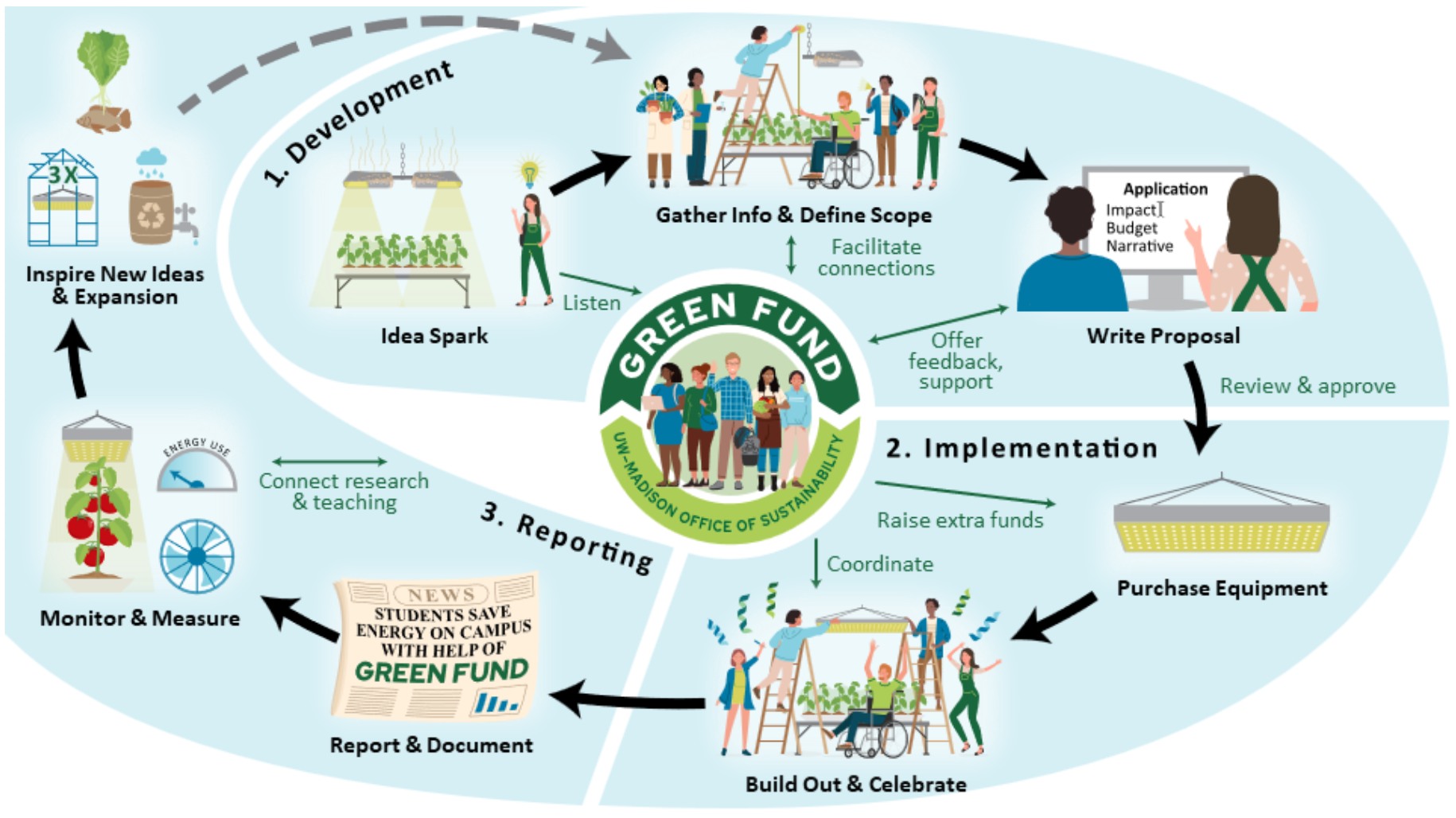
Figure 1. UW–Madison Green Fund Process Summary (Credit: Kate Baldwin, UW–Madison).
The work of the Green Fund demonstrates a clear alignment with the theoretical and practical underpinnings of CALL and TBL sustainability. In addition to the green fund database, AASHE administers a self-reported sustainability framework for HEIs to measure their institutional sustainability and compare their efforts to other HEIs: the Sustainability Tracking, Assessment & Rating Systems (STARS) (AASHE, n.d.-a). In STARS version 2.2, there is a credit for CALL under Academics, in the Curriculum subsection (“AC-8”) (AASHE, 2025). UW–Madison included five Green Fund projects and the Green Fund itself as examples of CALL in practice for the most recent institutional STARS submission (Schmitz, 2025). Sustainability, CALL, and the Green Fund can be further connected, shown in the alignment of the TBL components, the list of the AC-8 categories, and a sampling of Green Fund project examples (Table 1). An illustrative case from the Green Fund that exemplifies alignment with both frameworks while producing cascading impacts is the implementation and adoption of bird-friendly window glass (“Bird-Safe Glass”, 2025). The Green Fund trialed decals on the most bird-hazardous campus windows, and the success of the pilot project helped inform a Bird-Safe Glass Ordinance in the City of Madison (“Bird-Safe Glass”, 2025). This work corresponds directly with TBL and AC-8 considerations, including environmental and societal benefits as well as coordination and planning, respectively. Additional Green Fund project examples can be found on the UW–Madison Campus Sustainability Map, which provides a visual representation of campus features and initiatives connected to sustainability and the United Nations Sustainable Development Goals (Stanton et al., 2021). Descriptions and photographs of all Green Fund projects can be found on the UW–Madison Office of Sustainability website (“Green Fund Program”, n.d.-g).
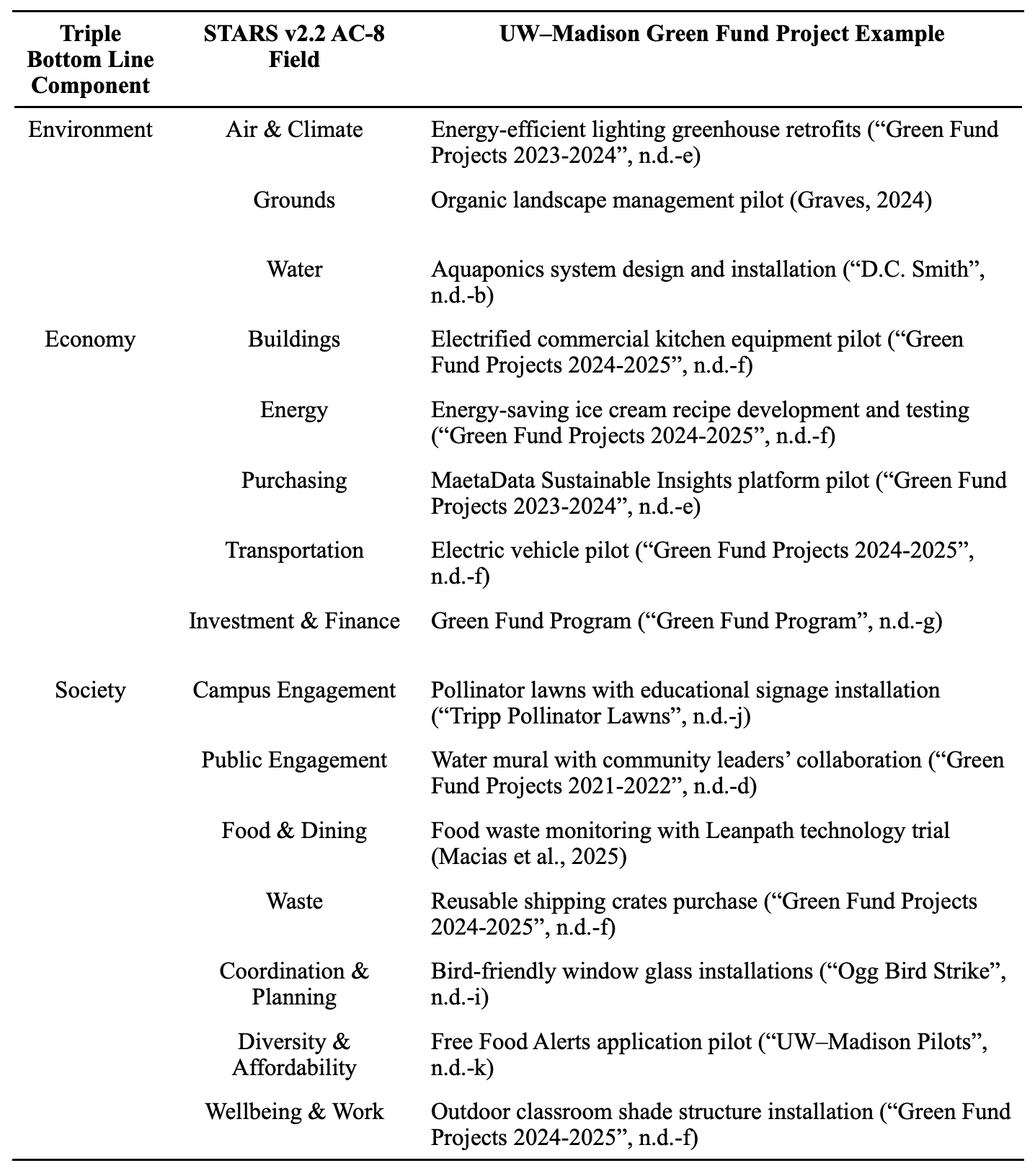
Table 1. Mapping the Green Fund With TBL Sustainability and CALL Frameworks.
In summary, this work explores the ways that an HEI can serve as an experimental ecosystem that integrates pedagogy, place, and practice. In addition, the study investigated the impacts of CALL for students and for campus sustainability through a survey of recent Green Fund participants. The survey was designed to assess the learning and professional development outcomes of the program more systematically and is described in the following section.
Methods
Survey Design and Data Collection
A survey was designed to quantitatively and qualitatively gauge the learning and professional development outcomes of participation in the Green Fund (Appendix A). The questions were aligned with the UW–Madison Essential Learning Outcomes from the Office of the Provost, which UW–Madison adopted from work done by the Association of American Colleges and Universities (“Student Learning Assessment”, n.d.). The questions were also aligned with the UW–Madison Leadership Framework from Leadership @ UW (“Leadership Framework”, n.d.). A subset of questions was based on an agree-disagree scale that included the options: strongly disagree, somewhat disagree, neither agree nor disagree, somewhat agree, and strongly agree. These questions asked to what extent respondents would agree or disagree that participation in the Green Fund helped them improve their leadership skills, develop their professional skills, develop their intellectual skills, increase their confidence in professional/academic contexts, and more. Example skills were provided for each of the skills-related questions based on the aligned institutional frameworks and include: leadership skills (e.g., self-awareness, decision making, supporting development of others), professional skills (e.g., writing, speaking, computer literacy, teamwork), and intellectual skills (e.g., critical or creative thinking, quantitative reasoning, problem solving). To improve program administration, another subset of questions asked respondents how they heard about the Green Fund, how many hours they estimated they spent working on Green Fund projects in an academic year, what degree they were pursuing, what year they were in their degree, and how related their Green Fund project was to their field(s) of study. To capture additional impacts, a third subset of survey questions included open-response questions asking what suggestions respondents had for the Green Fund, what was the most important message they took away from participation in the process, and any other feedback they would like to share.
Participants completed the survey through Qualtrics. Qualtrics was set to randomize questions within a subset when a logical order was not needed. Demographic questions were included as the last section of the survey and all questions were optional. At the end of the survey, respondents were given the option to be quoted by name, quoted without their name attached, or not quoted in publications and promotions. If respondents opted to be quoted by name, the survey provided a short-answer box so they could enter their preferred name, which supported voice-centered representation. The UW–Madison Institutional Review Board on Human Subjects Research determined that this study was program evaluation/quality improvement and not human subjects research per the federal definition.
The survey was distributed via email to individuals who the Green Fund Program Manager identified as having participated in the Green Fund during the summer, fall, and/or spring of a given academic year. For example, for the Spring 2025 survey distribution, students who participated in the Green Fund during Summer 2024, Fall 2024, and/or Spring 2025 received the survey via email. Green Fund participants were defined as students who attended two or more meetings about a Green Fund project, had substantial email exchange with the Green Fund Program Manager about a project, or whose name appeared on a Green Fund application during one of the semesters associated with that survey. The study sample included nearly 400 UW–Madison undergraduate, graduate, and recently graduated students. This study sample was selected to understand the learning and professional development outcomes for students participating in the Green Fund. To distribute the survey, the Green Fund Program Manager shared an anonymous link to the Qualtrics survey via email (Appendix B). Then, the Green Fund Program Manager re-sent the same email text to all individuals two additional times before the survey deadline, unless an individual opted out of future communications.
Quantitative and Qualitative Analysis
Quantitative analysis was conducted using aggregate descriptive statistics focused on measures of central tendency and frequency. Results were calculated for each survey distribution and in total across respondents. Findings were summarized to facilitate comparison across groups and to identify overall patterns and trends within the data. Quantitative results were integrated with qualitative results to support a mixed-methods program evaluation.
Qualitative analysis was conducted using an inductive coding approach following processes described by Bingham and Witkowsky (2021) and Saldaña (2021). This methodology allowed themes to emerge from participant language as data were explored. After several close readings, first round coding assigned descriptive main codes reflecting key ideas. Responses could be assigned multiple codes if required by the data. Responses were coded iteratively and the codebook was also built iteratively (Appendix C). Over the process, related codes were grouped into larger themes to increase clarity. Final themes were developed based on frequency and all complete responses were coded. One member of the study team served as the primary analyst and coded across the full dataset, while a second member of the study team independently coded a minimum of 10% of the data to support inter-rater reliability coding of the data. Inter-rater reliability was calculated as simple agreement and was found to be 88.6% across the dataset. The coders built consensus through discussion on coding decisions, discrepancies, and codebook considerations.
Results
Survey Response
The survey received 93 responses, yielding a response rate of 25.6 percent (Table 2). 61 of these responses were complete, nine were incomplete, and 23 were completely empty. Complete responses replied to most or all survey questions and progressed through the entire survey. Incomplete responses replied to some survey questions and progressed through less than three-quarters of the survey. Empty responses provided no reply to survey questions and progressed through less than half of the survey. The analysis considered only complete responses, yielding a completion rate of 15.5 percent.
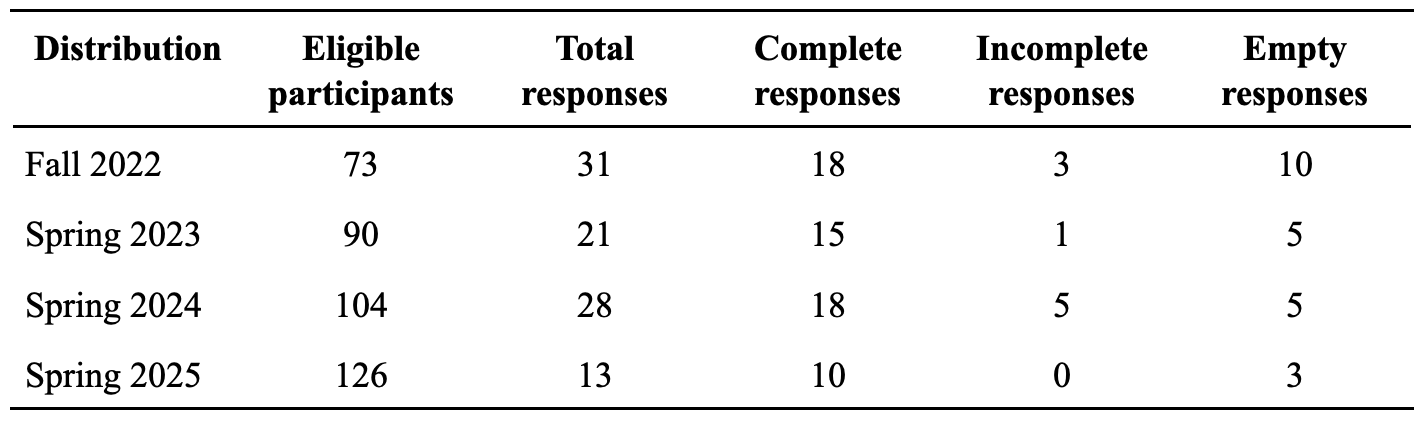
Table 2. Response Counts Across Distributions.
Quantitative Results
The analysis of 61 responses indicates that participation in the Green Fund provides substantial professional, academic, and personal benefits to participants (Figure 2). Over 90% of respondents agreed with either a “strongly agree” or “somewhat agree” response that the program positively influenced their future careers, benefited UW–Madison, and is worth recommending to peers. Nearly 90% of respondents reported that participation in the Green Fund helped them to explore their interests through real-world applications, while 87% reported improvement in their leadership skills and confidence. Additionally, 85% of respondents agreed that participation helped them develop new skills they would not have otherwise developed. These results suggest that the Green Fund fosters CALL experiences, skill development, and professional growth, which has immediate and long-term benefits for both participants and the campus community. Expanding and continuing support for the Green Fund could improve these benefits for more students while further strengthening the program’s impact on campus sustainability.
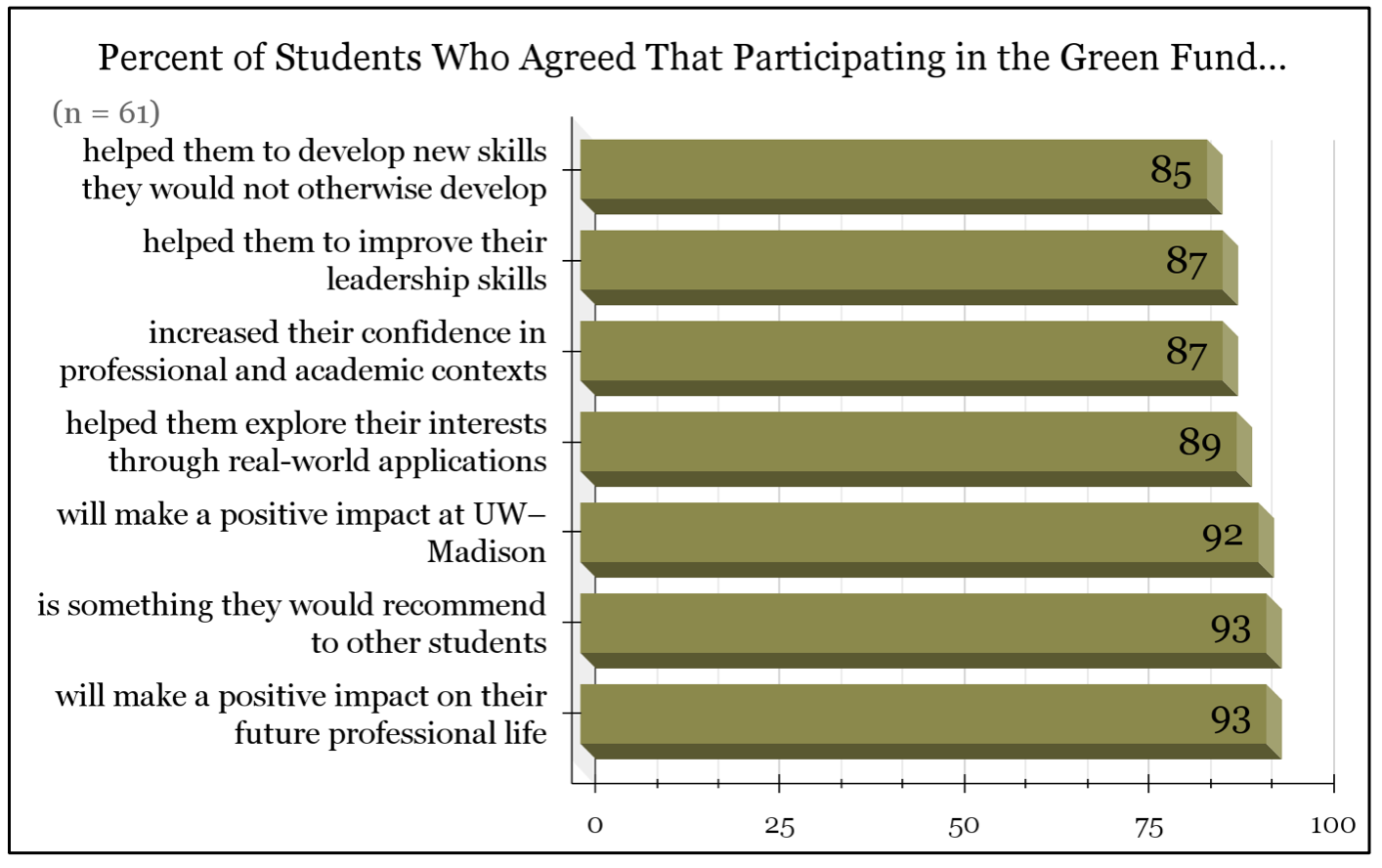
Figure 2. Selected survey results.
The 61 respondents also reported an estimate of the total number of hours that they spent working on Green Fund projects during the given academic year (Figure 3). As described in the survey, time spent working on a project may include: time spent in meetings, preparing for meetings, writing an application, running calculations, writing/reading emails, research, site visits, and more. Results indicate that the majority (approximately 66%) spent fewer than 40 hours per academic year on Green Fund projects. Overall, hours ranged from a minimum of five to a maximum of 150, with a mean of 40.8 hours per academic year. The distribution shows that most respondents spent between 0-20 hours, with progressively fewer respondents reporting greater time commitments. Only eight students spent more than 80 hours per academic year on Green Fund projects. The results suggest that while there is variability in respondents’ time commitment to the program, participation generally only requires a moderate time commitment. This variation may stem from differences in individual involvement or project scope. Overall, engagement with the Green Fund can occur to various extents, while participants still gain meaningful learning opportunities.
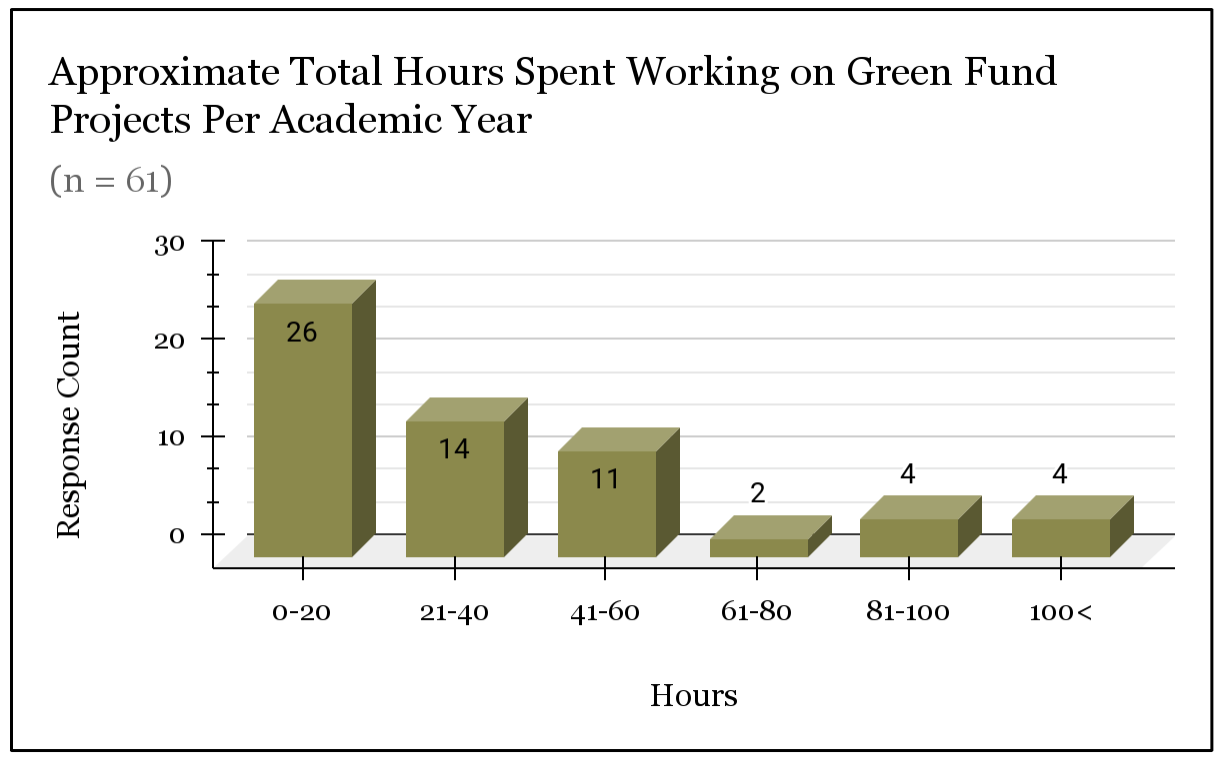
Figure 3. Total hours spent working on Green Fund projects per academic year.
Qualitative Results
Qualitative questions asked respondents for suggestions, key takeaways from their participation, additional feedback, their fields of study, and the reasons they chose a project that was directly, indirectly, or not at all related to their fields of study. As not all respondents answered every question, the number of responses included in analysis for each question is provided. The analysis of the open-response question asking, “What suggestions do you have for the Green Fund” found that the most common suggestions from 34 respondents were to increase program marketing and improve the program’s process. In terms of marketing, respondents noted the need to boost awareness of the Green Fund across campus, including of the opportunity itself and project results. Related to process improvement, respondents suggested providing project templates, increasing guidance around budgeting, and creating more opportunities for group gatherings. Additional, less frequent suggestions included providing more staffing and funding support, as well as capturing best practices to support project continuity. Overall, respondents emphasized that the program was valued, but could benefit from greater visibility and resources.
When asked about the most important message they gained from participation in the Green Fund process, respondents most commonly focused on the ability of students to create change and the opportunity to develop professional skills (Figure 4). The results emphasized that the program reinforced how students can drive meaningful change on campus while gaining career experience. Respondents also noted the importance of navigating institutional processes, practicing project management, and working collaboratively for project and professional success.
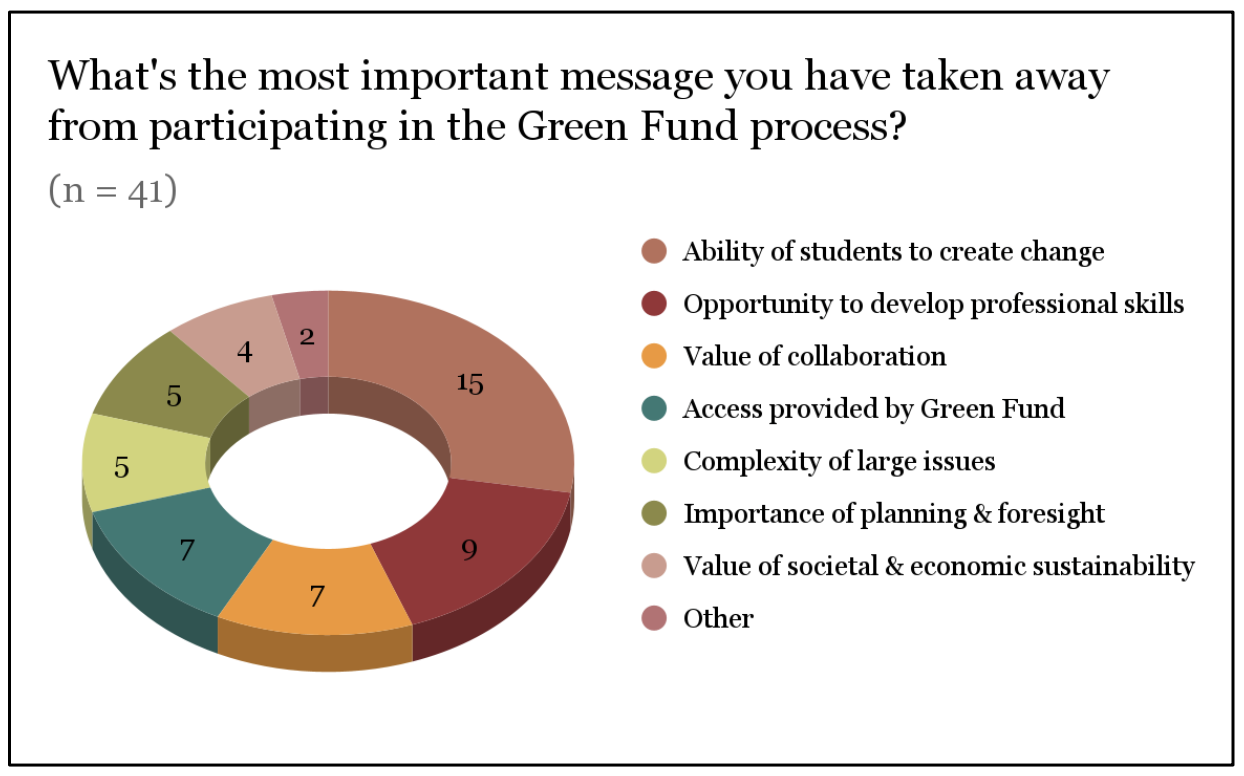
Figure 4. Qualitatively coded responses on the most important message from an individual’s participation.
Selected quotes from respondents on these themes are provided below:
“Students can accomplish real, tangible change when they put their minds to it.” – Jon Starfeldt
“Furthering campus sustainability is easier than you think! It also helps you develop important soft skills that will help you in your future career.” – Haley Hammond
“I don’t think I’ve taken away a single message as much as just gotten a much better understanding of what it really means to implement sustainable changes on an institutional level. But one message I have taken away is that a lot of people are eager to make these changes!” –Anonymous
In summary, the results demonstrated that the Green Fund empowers students to use campus as a living laboratory for sustainability.
When asked for additional feedback on the program, responses included appreciation for the Green Fund Program Manager, positive individual outcomes of Green Fund participation, and further suggestions for improvement, amongst others.
The survey also connected program involvement with participant academic contexts. Respondents reported their fields of study in an open-response question, including major(s) and minors (“certificates”) (Figure 5). Buckets were created to group related fields, as many of the 57 responses were unique. The results showed a strong emphasis on environmental and sustainability related fields, with engineering fields following. Many respondents combined an environmental or STEM field with a secondary field in business and policy, arts and communication, or language. The secondary field included both additional majors and certificates. This multidisciplinarity is required for some degrees, though adds breadth regardless. With 114 responses from 57 respondents, the average response included two fields. However, multiple counts of the same field were included for responses with distinct majors and/or certificates.
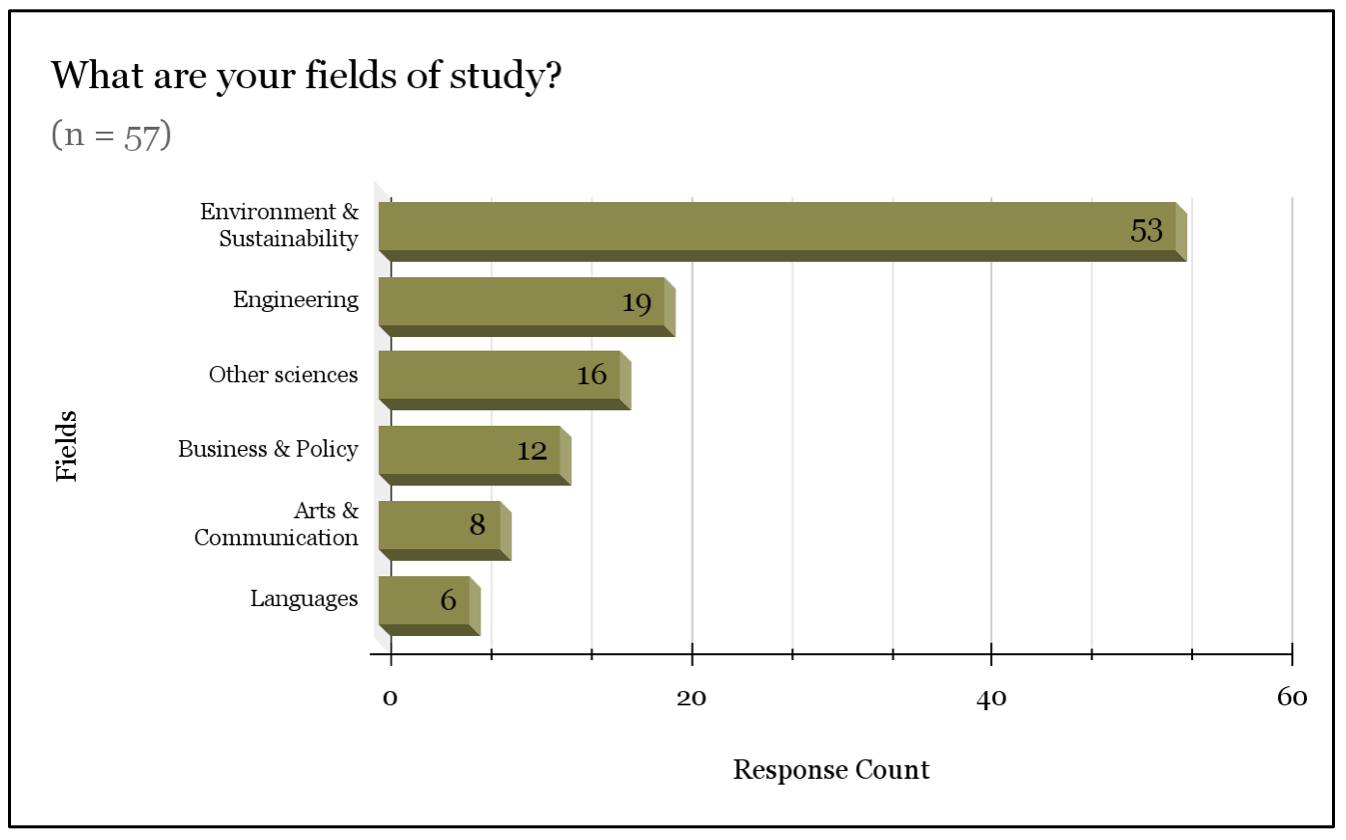
Figure 5. Respondent fields of study grouped in buckets.
Following the fields of study question, respondents were asked to what extent the Green Fund project they worked on was related to their fields. Of 61 respondents, over half (33) selected “directly related” and over a third (23) selected “indirectly related”. This meant that less than 10% of respondents (5) chose to work on a project that was “not at all related” to their fields of study. The most commonly occurring theme for respondents, no matter to what extent their project was related to their fields, was participating in a project because they valued the work, were interested in the topic, or were passionate about sustainability (Table 3). Secondarily, respondents noted that their participation and project choice stemmed from the opportunity to contribute to UW–Madison and to campus sustainability efforts.
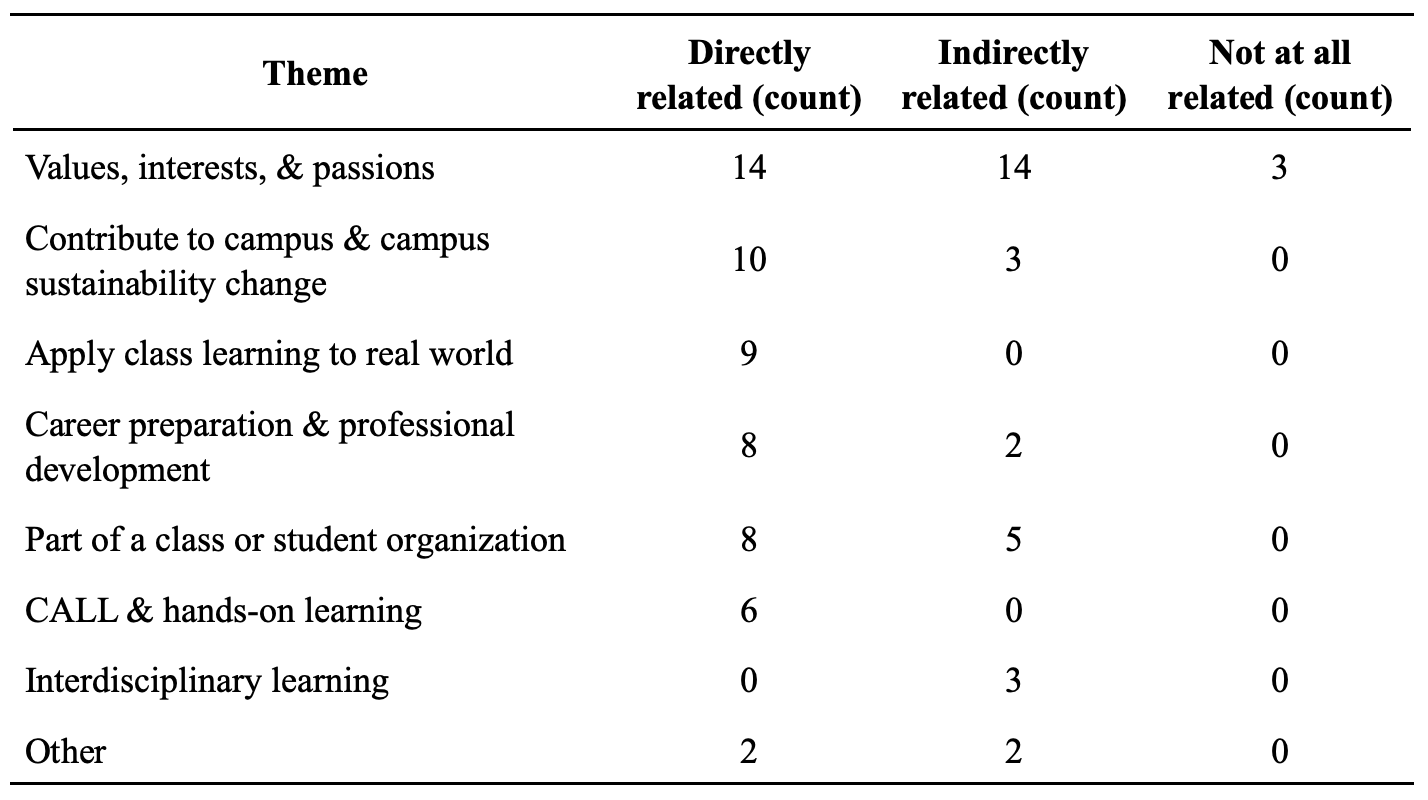
Table 3. Why Respondents Chose a Project That Was Directly, Indirectly, or Not at All Related to Their Fields of Study.
For respondents who chose a directly related project, they noted the opportunity to advance causes they cared deeply about, to apply academic knowledge to real-world problems, and to prepare for future careers. These results demonstrated how the Green Fund connects theory and practice, using CALL for tangible and sustainable outcomes. For respondents who chose an indirectly related project, they noted the importance of pursuing their interests outside of the classroom while gaining valuable experience. Others also participated because their student organization was involved with a project. This emphasized how the Green Fund supports students in an extracurricular space, fostering collaboration and providing access to campus resources. Selected quotes from respondents are provided below:
[Directly related] “It helped advance my knowledge through real-life application, added on to my sustainability resume, and was a project that I cared about.” –Anonymous
[Directly related] “I felt that I would be able to apply what I learned in the classroom to something that makes a difference on campus.” –Anonymous
[Indirectly related] “While my degree does not directly involve sustainability, my personal life, along with every[thing] else, is deeply rooted in the Earth (it’s where I live!). Therefore, I am inherently interested in participating in projects that protects and honors our home…” –Quinn Henneger
The findings indicated that the Green Fund has a meaningful impact on sustainability education, professional development, and campus sustainability. The survey responses emphasized the interdisciplinary nature of sustainability and the importance of balancing social, economic, and environmental considerations, as well as highlighted the program’s value for hands-on learning experiences. Respondents reported opportunities to apply classroom knowledge as well as gain future career skills, including leadership and planning. Respondents also noted the complexity of sustainability, HEIs, and sustainability at an HEI. Overall, the results illustrated the Green Fund’s role as an educational opportunity to use CALL that supports students while advancing campus sustainability.
Discussion
Survey respondents self-reported noteworthy educational and professional development outcomes from participation in the Green Fund. Since survey questions were aligned with the UW–Madison Essential Learning Outcomes and the UW–Madison Leadership Framework, the data shows how the Green Fund supports important competencies and greater institutional goals, including fostering sustainability education experiences, achieving net-zero emissions, and creating a Zero Waste campus. The results also show the Green Fund as a mechanism for CALL, enabling hands-on learning experiences for student participants. Participants largely chose projects directly or indirectly related to their fields of study, allowing for the application and trial of existing knowledge and strengths. This CALL connection provides support for other HEIs to implement a green fund if they have not already, as the program can provide an alternative approach for achieving both sustainability education and leadership outcomes. Such skills may be valued by employers and contribute to well-balanced alumni and communities. Furthermore, a green fund can be part of the efforts of an HEI to use CALL for resource conservation, environmental research, and sustainable practices as an institution works towards circularity.
The survey results will be used for impact reporting, specifically for CALL metrics, and other communications materials. Successive survey data will illustrate the cumulative impacts of the program overall and over time. Additionally, the Green Fund Program Manager may adjust program delivery based on the participant feedback provided in the survey. For example, multiple respondents noted the benefits of gathering as a large group of students, despite working on distinct projects. The respondents appreciated the opportunity for peer feedback, and there was also a suggestion for a social media group to stay connected. These suggestions build on the existing structure of an initial gathering every semester to promote new ideas, form connections, and gather support. The Green Fund staff are interested in increasing the connection between student teams and a second full group meeting per semester may be one approach.
Limitations
Limitations of this work include edits to the survey, the positionality of the authors, and the setting of green funds. Three edits have been made to the survey since its initial launch to better support responses. First, for the question asking for an estimate of the number of hours spent on Green Fund projects per academic year, the maximum value was increased to “150” from “100” after the first survey distribution. Two of the analyzed responses selected “100 hours” during the first survey distribution. Additionally, for the third distribution, the estimated survey length provided on the first page of the survey was adjusted from “15 to 30 minutes” to “15 to 20 minutes”. Finally, Qualtrics was set to randomly flip the order of choices from strongly agree to strongly disagree for the first three survey distributions. This was removed for the fourth distribution to support more efficient progress through the survey.
The positionality of the authors may have impacted this work. The survey was distributed to Green Fund participants by the Green Fund Program Manager, as that is who the participants are familiar working with. This professional relationship was addressed in the distribution email by including an anonymous survey link, explaining how to opt-out of additional emails, providing information on how to ask questions about the survey, and stating that the survey served to gather program improvement feedback. Additionally, depending on respondent preference, the survey could be completed without providing identifying information. The option to be quoted anonymously, quoted by preferred name, or not quoted at all was previewed at the start of the survey and included at the end of the survey. The survey also included a button to go back to previous questions, if participants wished to edit their responses during the survey. Finally, to account for possible bias, the survey results were initially viewed and analyzed by study team members who were not the Green Fund Program Manager.
Green Fund programs also have potential limitations. Campus projects often take multiple years to conceptualize, develop, design, approve, fund, implement, monitor, and iterate. However, many undergraduate students are only at an HEI for around four years and it may take time to learn how to navigate a complex system such as a large HEI. This relatively short amount of time may impact how students participate in projects, as they may not see a project through its entire life cycle. Notably, with student transitions also comes a continuous influx of optimism, diverse perspectives, and new ideas. To address the timeframe factor, it may be helpful for students to approach Green Fund projects through courses or student organizations, as momentum and information can be transitioned between cohorts. At UW–Madison, another program limitation is that the proposal demand largely outweighs the staffing capacity and funding supply. This speaks to the enthusiasm of students, staff, and faculty to trial innovative sustainability solutions at UW–Madison and use the institution as a living laboratory.
Future Work
Looking forward, survey distribution could be improved to increase the response rate. Participants may be more likely to respond if the survey is sent out earlier in the spring semester, rather than around the time of final exams, graduation, and the start of summer jobs. Participants may also be more likely to respond if an appropriate incentive is considered. Additionally, there is potential to measure change over time, if the same individual participates in a project from one year to the next or if they contribute to a new project in a subsequent year. Currently, this change could only be tracked if the participant is sent the survey in multiple distributions, chooses to respond in multiple years, and opts to be quoted by the same preferred name. Based on the existing data, there has been one repeat respondent. Finally, this work may inspire future studies of other campus green funds or similar programs using CALL. Future research may consider the impacts of green fund participation on professional trajectories and sustainability literacy, including education about, for, and as sustainability.
Conclusion
The survey of Green Fund participants was one of the first to assess the educational and professional development outcomes of this type of campus-based program. As suggested by the findings, the Green Fund supports students in creating tangible impacts for institutional sustainability and sustainability goals while also providing learning experiences that build professional skills. Respondents noted great benefits from participation in the Green Fund, and these benefits apply to their work on campus and beyond. HEIs play an important role preparing the next generation to address the complicated, wicked problems associated with climate change and resource depletion. Green funds are a unique opportunity to prepare students to tackle interdisciplinary, hands-on sustainability challenges, while at the same time providing a trial site for innovative campus operations and programs. As HEIs utilize CALL to serve as a microcosm for society, the value of green funds cannot be understated.
Acknowledgments
The authors would like to thank their colleagues Alex Frank, Dr. Nathan Jandl, Dr. Tim Lindstrom, and Dr. Cathy Middlecamp for their feedback on the survey tool. The authors would also like to thank their colleague Dr. Kate Baldwin for her illustration of the Green Fund process. Additionally, the authors would like to thank the UW–Madison Office of Sustainability, the Nelson Institute for Environmental Studies, and the UW–Madison Environmental Awareness Fund for the support of the UW–Madison Green Fund. The authors would like to thank Steph Wilson and John Stevenson for their feedback on the work. And finally, the authors would like to thank the incredible students who participate in Green Fund projects and champion sustainability at UW–Madison and beyond.
Positionality Statement
The authors would like to acknowledge that they are or were employed in full or part by the UW–Madison Office of Sustainability, which administers the UW–Madison Green Fund. Ian Aley is the Green Fund Program Manager, Ashley Monterusso was a project assistant for the Green Fund, and Audrey Stanton has worked with Green Fund staff. The professional identities of the authors provided the motivation behind the research and facilitated contact with the study population.
References
Aley, I., Nehls, B., Uelmen, J., & Hicks, A. (2022). Lessons learned from a sustainability-focused, community-based learning: Green fund partnership. Sustainability and Climate Change, 15(1), 17-31.
Association for the Advancement of Sustainability in Higher Education. (n.d.-a). About STARS. The Sustainability Tracking, Assessment & Rating System. https://stars.aashe.org/about-stars/
Association for the Advancement of Sustainability in Higher Education. (n.d.-b). Green Funds. AASHE Campus Sustainability Hub. https://hub.aashe.org/browse/types/greenfund/
Association for the Advancement of Sustainability in Higher Education. (2025). University of Wisconsin–Madison STARS report 2025: AC-8 Campus as a Living Laboratory, STARS Reports. https://reports.aashe.org/institutions/university-of-wisconsin-madison-wi/report/2025-07-11/AC/curriculum/AC-8/”
Beverage, M., Blaney, K., Ordean, K., Ozeki, M.A. & Walsh, K. (2018). How-to guide: Campus green fund implementation. Partnership with the Campus Green Fund Collaborative. AASHE, 1.
Bingham, A. J., & Witkowsky, P. (2021). Deductive and inductive approaches to qualitative data analysis. Analyzing and interpreting qualitative data: After the interview, 1, 133-146.
Bird-Safe Glass Partnerships Take Flight. Office of Sustainability. (2025, May 29). https://sustainability.wisc.edu/bird-safe-glass-partnerships-take-flight/
Brinkhurst, M., Rose, P., Maurice, G., & Ackerman, J. D. (2011). Achieving campus sustainability: top‐down, bottom‐up, or neither?. International Journal of Sustainability in Higher Education, 12(4), 338-354.
Campus Sustainability Goals. Office of Sustainability. (n.d.-a). https://sustainability.wisc.edu/goals/
Capra, F. (2007). Sustainable living, ecological literacy, and the breath of life. Canadian Journal of Environmental Education (CJEE), 9-18.
D.C. Smith Greenhouse Aquaponics. Office of Sustainability. (n.d.-b). https://sustainability.wisc.edu/greenfund/green-fund-projects/green-fund-projects-2022-2023/d-c-smith-greenhouse-aquaponics/
Dalibozhko, A., & Krakovetskaya, I. (2018). Youth entrepreneurial projects for the sustainable development of global community: Evidence from Enactus program. In SHS Web of Conferences (Vol. 57, p. 01009). EDP Sciences.
Defining Sustainability. Office of Sustainability. (n.d.-c). https://sustainability.wisc.edu/defining-sustainability/
Elkington, J. (1998). Accounting for the triple bottom line. Measuring business excellence, 2(3), 18-22.
Evans, J., & Karvonen, A. (2014). ‘Give me a laboratory and I will lower your carbon footprint!’—Urban laboratories and the governance of low‐carbon futures. International Journal of Urban and Regional Research, 38(2), 413-430.
Favaloro, T., Ball, T., & Lipschutz, R. D. (2019). Mind the gap! Developing the campus as a living lab for student experiential learning in sustainability. In Sustainability on university campuses: Learning, skills building and best practices (pp. 91-113). Cham: Springer International Publishing.
González-Ramírez, J., Cheng, H., & Arral, S. (2021). Funding campus sustainability through a green fee—estimating students’ willingness to pay. Sustainability, 13(5), 2528.
Graves, L. (2024, October 7). Grounds for Change: UW–Madison Launches Organic Landscape Management Pilot Project. Office of Sustainability. https://sustainability.wisc.edu/uw-launches-organic-landscape-management-pilot-project/
Green Fund Projects 2021-2022. Office of Sustainability. (n.d.-d). https://sustainability.wisc.edu/greenfund/green-fund-projects/green-fund-projects-2021-2022/
Green Fund Projects 2023-2024. Office of Sustainability. (n.d.-e). https://sustainability.wisc.edu/greenfund/green-fund-projects/green-fund-projects-2023-2024/
Green Fund Projects 2024-2025. Office of Sustainability. (n.d.-f). https://sustainability.wisc.edu/greenfund/green-fund-projects/green-fund-projects-2024-2025/”
Green Fund Program. Office of Sustainability. (n.d.-g). https://sustainability.wisc.edu/greenfund/
History of Sustainability at UW–Madison. Office of Sustainability. (n.d.-h). https://sustainability.wisc.edu/about/history/
Indvik, J., Foley, R., & Orlowski, M. (2013). Green revolving funds: An introductory guide to implementation & management. Sustainable Endowments Institute (NJ1).
König, A., & Evans, J. (2013). Introduction: Experimenting for sustainable development? Living laboratories, social learning and the role of the university. In Regenerative sustainable development of universities and cities (pp. 1-24). Edward Elgar Publishing.
Leadership Framework. Leadership @ UW. (n.d.). https://leadership.wisc.edu/leadership-framework/
Lindstrom, T. D. (2020). Campus as a living laboratory: Heeding the call for sustainability teaching, learning, and research. The University of Wisconsin–Madison.
Lindstrom, T., & Middlecamp, C. (2017). Campus as a living laboratory for sustainability: The chemistry connection. Journal of Chemical Education, 94(8), 1036-1042.
Lindstrom, T., & Middlecamp, C. (2018). Campus as a living laboratory for sustainability: The physics connection. The Physics Teacher, 56(4), 240-243.
Macias, M., Hesting, C., & Lambert, G. (2025, May 20). A Forkful of Sustainability. Office of Sustainability. https://sustainability.wisc.edu/a-forkful-of-sustainability/
Maiorano, J., & Savan, B. (2015). Barriers to energy efficiency and the uptake of green revolving funds in Canadian universities. International Journal of Sustainability in Higher Education, 16(2), 200-216.
Morris, M. R., Stanton, A., Blomberg, T., & Hicks, A. (2024). Human behavior outcomes at point of disposal of a biodegradable plastic cup at a US-based university campus. Resources, Conservation and Recycling, 203, 107412.
Ogg Bird Strike Mitigation. Office of Sustainability. (n.d.-i). https://sustainability.wisc.edu/greenfund/green-fund-projects/2019-2020/ogg-bird-strike-mitigation-2/
Owens, K. A., & Halfacre‐Hitchcock, A. (2006). As green as we think? The case of the College of Charleston green building initiative. International Journal of Sustainability in Higher Education, 7(2), 114-128.
Ozeki, M. A. (2010). Student green fund implementation in US colleges and universities from 1973–2010. Harvard Extension School: Boston, MA, USA.
Posner, S. M., & Stuart, R. (2013). Understanding and advancing campus sustainability using a systems framework. International Journal of Sustainability in Higher Education, 14(3), 264-277.
Purcell, W. M., Henriksen, H., & Spengler, J. D. (2019). Universities as the engine of transformational sustainability toward delivering the sustainable development goals: “Living labs” for sustainability. International Journal of Sustainability in Higher Education, 20(8), 1343-1357.
Rittel, H. W., & Webber, M. M. (1973). Dilemmas in a general theory of planning. Policy Sciences, 4(2), 155-169.
Rivera, C. J., & Savage, C. (2020). Campuses as living labs for sustainability problem-solving: Trends, triumphs, and traps. Journal of Environmental Studies and Sciences, 10(3), 334-340.
Saldaña, J. (2021). The coding manual for qualitative researchers (4th ed.). SAGE Publications, Ltd.
Schmitz, K. (2025, July 11). University of Wisconsin–Madison: AC-8 Campus as a Living Laboratory. The Sustainability Tracking, Assessment & Rating System. https://reports.aashe.org/institutions/university-of-wisconsin-madison-wi/report/2025-07-11/AC/curriculum/AC-8/
Stanton, A., Kontar, W., Ramey-Lariviere, J., & Hicks, A. (2025). Redefining sustainable commuting: Emerging trends and pandemic-induced changes at the University of Wisconsin–Madison. Integrated Environmental Assessment and Management, vjaf075.
Stanton, A. P., Thelen, M. J., & Middlecamp, C. H. (2021). A campus sustainability map organized by the UN Sustainable Development Goals. Sustainability and Climate Change, 14(4), 202-208.
Student Learning Assessment (Academic Programs and Courses). UW–Madison Policy Library. (n.d.). https://policy.wisc.edu/library/UW-1028
Tripp Pollinator Lawns. Office of Sustainability. (n.d.-j). https://sustainability.wisc.edu/greenfund/green-fund-projects/green-fund-projects-2020-2021/tripp-pollinator-lawns/
Uelmen, J. A., Aley, I., Nehls, B., & Hicks, A. (2020). Sustainability impacts of installing low-flow toilets in a university residence hall. Sustainability: The Journal of Record, 13(2), 74-80.
UW–Madison Pilots Free Food Alert System. Office of Sustainability. (n.d.-k). https://sustainability.wisc.edu/uw-madison-pilots-free-food-alert-system/
van der Wee, M. L., Tassone, V. C., Wals, A. E., & Troxler, P. (2024). Characteristics and challenges of teaching and learning in sustainability-oriented Living Labs within higher education: A literature review. International Journal of Sustainability in Higher Education, 25(9), 255-277.
Verhoef, L. A., Bossert, M., Newman, J., Ferraz, F., Robinson, Z. P., Agarwala, Y., … & Hellinga, C. (2019). Towards a learning system for university campuses as living labs for sustainability. In Universities as living labs for sustainable development: Supporting the implementation of the Sustainable Development Goals (pp. 135-149). Cham: Springer International Publishing.
Wahl, K., & O’Neil, J. K. (2019). Experiential teaching and sustainable development. In W. Leal Filo, A. Salvia, & A. Beynaghi (Eds.), Encyclopedia of Sustainability in Higher Education (pp. 665-672). Cham: Springer International Publishing.
Wahl, K. & Rudinger, B. (2025). A sustainability educational system: From pedagogy to competencies. Journal of Sustainability Education, 31, 1-24.
Stanton Wahl Aley Monterusso Hicks Appendices


 Audrey Stanton is a Graduate Project Assistant with the Office of Sustainability and PhD student in the Environment and Resources program at the Nelson Institute for Environmental Studies at the University of Wisconsin–Madison. Her research interests include campus sustainability, sustainability education, and campus as a living laboratory.
  Dr. Kim Wahl is a Sustainability Teaching Faculty member for the Nelson Institute for Environmental Studies and Office of Sustainability at the University of Wisconsin–Madison. She teaches classes focused on sustainability and systems thinking. Her research is transdisciplinary and builds upon a transformative sustainability framework.
  Ian Aley is the Green Fund Program Manager at the University of Wisconsin–Madison Office of Sustainability, where he supports student-initiated projects that improve campus sustainability. He brings a professional background in urban planning, sustainable food systems, social justice, capacity building, and cross-cultural collaboration to his work.
  Ashley Monterusso is a city planner for the City of Lake Elmo, Minnesota and a graduate of the University of Wisconsin–Madison. During her work as a Graduate Project Assistant with the University of Wisconsin–Madison Office of Sustainability, Ashley supported the Green Fund, collaborating on and communicating the results of student-led sustainability projects. Ashley also supported the Green Fund’s tracking system to measure the environmental, economic, and social metrics of projects.
  Dr. Andrea Hicks is an Associate Professor in the Department of Civil and Environmental Engineering and Assistant Dean of Sustainability Education and Research at the University of Wisconsin–Madison. Her scholarship lies at the intersection of technology and sustainability. In particular, her work focuses on the environmental impacts and sustainability implications of emerging technologies.