




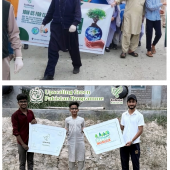
Abstract: Pakistan faces an urgent climate crisis that disproportionately affects its youth and vulnerable communities. At the same time, the country’s rapidly expanding digital connectivity presents new opportunities to advance climate literacy beyond formal classrooms. This paper examines how digital climate activism can function as a form of non-formal sustainability education under the United Nations’ Action for Climate Empowerment (ACE) framework in Pakistan. Drawing on academic literature, policy analysis, and a case study of a youth-led initiative (EcoRevival Pakistan), the study conceptualizes digital platforms as educational spaces that support climate learning, public awareness, participation, and youth empowerment. The analysis situates Pakistan’s climate vulnerability, youth demographics, and digital landscape within the ACE framework, highlighting how social media, online training, and digital campaigns contribute to climate literacy development. Findings illustrate that youth-led digital initiatives foster experiential learning, systems thinking, and civic engagement while complementing gaps in formal climate education. However, challenges such as digital inequality, uneven access, and limited institutional support constrain broader impact. Building on these insights, the paper proposes a scalable digital climate education and empowerment model tailored to Pakistan’s socio-cultural and technological context. A brief comparative perspective draws lessons from international approaches to climate education and youth engagement. The study concludes with practical recommendations for policymakers, educators, and civil society to strengthen non-formal climate education through digital tools. By positioning digital activism as a sustainability education pathway, this research contributes to scholarship on climate literacy, youth engagement, and Action for Climate Empowerment in the Global South.
Continue Reading
Link to the JSE March 2026 Table of Contents Link to Article PDF Abstract: The recent rapid shift towards the adoption of electric vehicles and other low-carbon technology has increased the global demand for strategic minerals. Increased demand for these strategic minerals means nations around the world are working to extract them, creating a […]
Continue Reading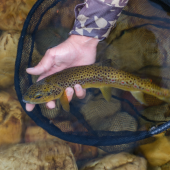
Abstract: In this age of the Anthropocene, of posthumanism, a far more careful, self-reflexive and critical consideration of more-than-human interactions, of our interrelationships with other species, is imperative. This essay takes as its focus the interaction between humans and fish (mainly rainbow trout) in flyfishing, and sportfishing more generally. I consider what happens when an activity originally designed to lead to the death of the fish is turned to different ends, which are aimed at conservation and more ethical treatment of fish. It is a complex and contradictory subject, which vexes and exercises me as much as a flyfisher as an academic. It requires frequent shifts in the scale of one’s thinking from the interrelationships between species as a whole (humans and rainbow trout), to those between individual members of species (the flyfisher and this individual rainbow trout), and it brings into sharp focus the ethics of interrelationships that spread beyond fishing to multiple human-animal engagements, including those involved in farming and hunting, or in eating animal products. In this article I draw on work by fish scientists, animal ethologists, anthropologists, fishing authors, environmental journalists and my own experience of fishing and talking to other fishers for over five decades, to try to engage fully with the range of issues involved.
Continue ReadingAbstract: This case study explores photos and narratives taken by youth Park Ambassadors in the Park in a Truck initiative in Philadelphia. Park in a Truck is a community-engaged greenspace initiative that partners with residents in under-resourced neighborhoods to transform vacant lots into parks. Park Ambassadors (aged 10-17) are trained to maintain and manage programs in the neighborhood parks. This case study presents the results of an autophotography project, where Park Ambassadors were invited to capture images and reflections that documented what the parks—and their work within them—meant to them. Main themes of the photos and reflections included aesthetic appreciation, nature observations, and collective activities. This case study offers a personal look at how Park Ambassadors experience and interpret their roles as stewards of neighborhood greenspaces in the Park in a Truck initiative.
Continue Reading
Abstract: The Innovate to Mitigate project has adapted problem-based learning (PBL) for secondary-school students by posing open-ended design challenges and by including a crowdsourcing element to support systematic improvement of student designs. Students were charged with designing feasible innovative strategies to mitigate CO2 emissions. This paper reports on student learning of science practices as defined by the Next Generation Science Standards. The study draws on data from 15 teams of 8th-12th students who participated in the 2024 iteration of the Innovate to Mitigate competition. The competition was implemented in a range of science classrooms that included introductory environmental science, AP environmental science, general science, and physics. Mixed methods analysis reveals that the Innovate to Mitigate PBL learning environment resulted in significant gains in student learning of the practices. Implications for the successful implementation of PBL in a wide range of contexts include the need for iterative design, collaboration, critique, and public communications. These features supported students to design and evaluate investigations, construct evidence-based arguments, and engage in productive discourse, all essential skills for scientific literacy.
Continue Reading
Abstract: This article explores the contemplative practice of deep listening as a method to both understand and embody human-nature relational values for positive transformations. Relational values, which emphasize kinship, reciprocity, and interdependence, expand beyond traditional intrinsic and instrumental value frameworks by centering relationships between humans and the more-than-human world. Drawing on sound studies, Indigenous knowledge, and ecological philosophy, deep listening invites an embodied attentiveness that promotes environmental empathy and ethical relationality. The practice moves beyond abstract conceptualizations to lived sensory experience, opening pathways for reflection, mutual accountability, and a renewed sense of shared identity and well-being within damaged ecological relationships. Case studies from Indigenous stewardship, environmental education and activism, and soundscape ecology illustrate how listening practices reinforce kinship, reciprocity, and a deepened sense of ecological identity, challenging anthropocentric paradigms and promoting multispecies ethics. The article argues that deep listening is an ethical praxis essential for navigating complex ecological crises, grounding transformative environmental engagement in relational awareness and shared responsibility. It focuses on pedagogical and community-based practices through which deep listening cultivates relational values and multispecies care, with potential future applications in environmental activism and governance.
Continue Reading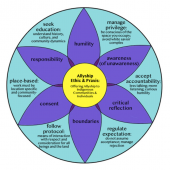
Abstract: As two white women of settler-colonial lineage, Kolette (mother) and Rhiannon (daughter) come to this work with a desire to engage and support decolonization and re-Indigenization of the spaces we navigate. Our guiding question: In what ways might non-Indigenous individuals support the decolonizing work of Indigenous communities and individuals? This project is an intergenerational collaborative autoethnography (CAE) that uses a dialectic format to explore specific, complex questions related to building an ethic and engaging a praxis of Indigenous allyship. A foundational aspect of our autoethnographic work is that of Dr. Haunani-Kay Trask, Kanaka Maoli scholar, educator, and sovereignty activist. Trask’s contribution to this exploration is not direct; instead, her life’s work and influence are cornerstone to the scholarly and professional journey of both women.
Continue ReadingAbstract: In a creative exploration, Nicole Taylor and Xander Garcia engage in a collaborative reflection that entwines visual exploration and metaphor to weave together personal and poetic narratives, academic theories, and observations of a world fragmented by Cartesian dualism. Drawing on personal and lived experiences, place-based and outdoor education, systems thinking, and transformative education, their conversation seeks the possible re-entanglement of humans with the more-than-human world. Taylor and Garcia use wefts and warps as weaving symbols to represent their voices and their lived experiences. Also woven throughout is their journey with theoretical insights and historical roots of the separation of humans from nature (Cartesian dualism and the Capitalocene). With deep grief and curiosity, they effort to make sense of witnessing ecological devastation while also advocating for a movement and language that creates a possible “next,” beyond the Anthropocene. This work, with heartbreak and hope, searches for interconnected roots and community through multi-modal forms of engagement and reciprocity, ultimately envisioning possible paths toward collective re-entanglement, transformative justice, and in-becoming more-than-human.
Continue Reading
Abstract: This study examines how integrating the Four-Dimensional Ecology Education (4DEE) Framework into an undergraduate Food–Energy–Water (FEW) nexus case study assignment shaped sustainability learning and systems thinking in an online introductory environmental studies course. Using pre/post surveys (n = 7 matched responses) and content analysis of final projects (n = 21), the study explored patterns in students’ sustainability-related competencies, including ecological understanding, systems reasoning, human–environment interactions, and cross-cutting sustainability themes. Both quantitative and qualitative analyses indicated similar trends, with students reporting increased familiarity across all 4DEE domains, particularly in ecological concepts, human–environment interactions, and sustainability-oriented themes. Content analysis of final projects reflected these same dimensions, including discussion of ecological mechanisms, application of hydrological and climate-related processes, and clearer articulation of relationships between stakeholders and ecosystems. These patterns suggest that explicitly integrating sustainability-oriented ecological framing into assignment design may strengthen students’ conceptual foundations for interpreting FEW nexus challenges. While not designed to establish causality and limited by a small sample size, this course-based reassessment provides descriptive evidence that structured faculty development opportunities can support the design of sustainability-focused assignments that yield conceptually sophisticated student work.
Continue Reading
Abstract: Higher education institutions can function as living laboratories for sustainability initiatives that foster innovation and catalyze systemic change. This study examines the educational and professional outcomes of the University of Wisconsin–Madison (UW–Madison) Green Fund, a program using campus as a living laboratory to pilot sustainability initiatives on campus. The Green Fund supports student-initiated projects that address the environmental footprint, social impact, and operating costs of campus facilities. As the campus is utilized to explore sustainable solutions, the university can function as a microcosm for society, allowing for lower risk trials of emerging technologies and processes. A survey was conducted to understand the quantitative and qualitative outcomes of student participation in the Green Fund. The survey questions were aligned with the essential learning outcomes and a leadership framework of the institution. Respondents reported that Green Fund participation benefitted them professionally and academically, including by enhancing their academic and professional confidence, allowing them to explore their interests, and improving their leadership skills. Over 90% of respondents agreed that participating in the Green Fund will make a positive impact at UW–Madison and on their future professional life. In open-response questions, respondents noted the complex, interdisciplinary nature of sustainability as well as their individual interest in sustainability. The results indicate that the Green Fund provides skills and resources that are important for preparing the next generation to address wicked problems locally through serving as a living laboratory for sustainability initiatives. The results also demonstrate how the Green Fund supports campus sustainability and larger institutional sustainability goals, including fostering sustainability education experiences, achieving net-zero emissions, and creating a Zero Waste campus. These findings provide support for other higher education institutions looking to implement or continue a green fund. This work is one of the first to explore the educational and professional outcomes of a campus green fund.
Continue Reading
Abstract: Although participatory photography methods (PPM) have been increasing in scientific research, not many studies are well-known related to PPM and sustainable development, including connections to the United Nations Sustainable Development Goals (SDGs). The purpose of this study is to explore place-based participatory photography (combined auto-photography and photo essay or auto-photographic essay) methods to examine how they support sustainability competencies. Course design included the SDGs connected to a campus sustainability map to support learning in a sustainability higher education classroom. Twenty-five self-selected students in a semester-long sustainability course at the University of Wisconsin–Madison (UW–Madison) explored sustainability concepts connected to their university campus using place-based participatory photography methods. Data was collected from students and consisted of photographs with titles and narratives from the beginning (pre-assessment) and the end (post-assessment) of the semester. The study included member checking with student thematic analysis and inter-rater reliability of coding. In findings, student participants’ data had more connections to the intrapersonal competency in the pre-assessment than the post-assessment. The post-assessment findings indicated that participatory photography methods (PPM) connected to a campus sustainability map and the SDGs strengthened the knowledge and systems thinking competencies as connected to socio-environmental systems. PPM did not lend itself well to strategic thinking or technical skills related to sustainability competencies. This participatory photography study adds valuable insight into supporting the sustainability competencies related to the SDGs.
Continue Reading
Abstract: To better prepare students for the sustainability challenges of the future, the K-12 sector needs a system that encourages multidisciplinary and interdisciplinary collaboration to successfully implement sustainability education (Parry & Metzger, 2023; Timm & Barth, 2021; Zguir et al., 2021). This research is a mixed-methods case study that uses Kotter’s theory of change to prioritize Education for Sustainable Development (ESD) in the curriculum and extra-curricular activities of the Nightingale-Bamford School, which is a K-12, private, all-girls school located on the Upper East side of New York City. The aim is to explore the impact the changes have on both faculty and students. Teachers that were a part of the change process voluntarily participated in surveys and interviews. Students that experienced the curriculum and service-learning changes also participated in interviews. The development and implementation of the program increased the willingness of faculty to engage in ESD, had mitigating effects on self-efficacy, and had a small impact on the faculty’s knowledge of pedagogical approaches. The ESD program increased the intention of students to act on the Sustainable Development Goals (SDGs). The results indicate that Kotter’s theory of change can be used to impact the professional action competence of faculty to engage in ESD and to positively impact the intention of students to act on the SDGs. More studies are needed to investigate long term impacts of the change process and how the change process impacts faculty and students in other K-12 settings.
Continue Reading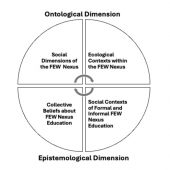
Abstract: Food-Energy-Water (FEW)-Nexus-based education supports understanding complex relationships in FEW systems, promoting socio-ecological systems thinking and decision-making about natural resources and sustainability challenges. Our study centers the perspective of educational practitioners to define and describe FEW-Nexus-based education and identify challenges with FEW-Nexus-based education. Using artifacts from workshops and existing literature, we explored the foundations of an integrated framework for FEW-Nexus-based education. These foundations include ontological and epistemological dimensions, which we used to probe deeply into workshop participants’ responses using directed and thematic content analysis. Thematic analysis resulted in themes within four categories: Ecological Contexts within the FEW-Nexus, Social Dimensions of the FEW-Nexus, Collective Beliefs about FEW-Nexus Education, and Social Contexts of Formal and Informal FEW-Nexus Education.
Continue Reading
Abstract: Climate Anxiety, or anxiety stemming from an overwhelming fear of the climate crisis, is a growing phenomenon among student populations studying climate, environmental, and sustainability-related subjects (Clayton et al., 2021). When not managed properly, feelings of climate anxiety can lead to a dismissal of the seriousness of the climate crisis and even action paralysis (Hickman et al., 2021; Sangervo et al., 2022). This scoping literature review aims to synthesize the current literature on how students cope with climate anxiety, addressing the research question: How do students experience climate-related hope and anxiety, and how do different interventions or practices influence their motivation to engage in climate action? This review employed a SPIDER approach and PRISMA-ScR guidelines to identify and examine the 12 included pieces of literature through an inductive thematic analysis. This analysis identified three main themes: the complex relationship between climate anxiety and pro-environmental behaviors, the role of hope as a coping strategy, and education-focused interventions for coping with climate anxiety. This analysis highlighted tools that can be utilized in education to help students manage climate anxiety, foster critical hope, and maintain motivation to engage in pro-environmental behaviors. This literature review supports the call for academic institutions to integrate well-being support for their students studying climate-related subjects. It suggests further research on coping strategies to develop critical hope among undergraduate students.
Continue Reading
Abstract: This article examines a professional development workshop aimed at introducing faculty to transformative learning approaches for teaching sustainability-related content. The small-scale, exploratory case study used data from surveys and a focus group to gain preliminary insights into faculty’s engagement with the Burns Model of Sustainability Pedagogy after the workshop. Findings revealed a shift in participants’ pedagogical approaches towards problem-based learning, role play, and simulations, and away from didactic lectures. Participants highlighted the model’s potential to enhance learners’ sense of place, illuminate complex problem interconnections, develop critical thinking skills, and question power dynamics. Potential implementation challenges included time constraints, the need for faculty support, and assistance in developing place-based, project-based, and experiential learning experiences. Despite a strong inclination to integrate the model’s components, synthesizing the dimensions proved challenging for participants. The study underscores the necessity for incremental improvements to course design and long-term institutional support to effectively adopt sustainability pedagogy in higher education.
Continue Reading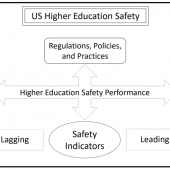
Abstract: Sustainability education in higher education often emphasizes curriculum and student learning, yet institutions also learn through operational practices and assessment systems. This study examines the relationship between campus sustainability engagement and occupational safety outcomes at U.S. higher education institutions using data from the Sustainability Tracking, Assessment and Rating System (STARS) (AASHE, 2025). Institutional characteristics, campus size, and STARS recognition levels were analyzed to assess whether stronger sustainability engagement is associated with lower rates of work-related injuries and illnesses. Findings suggest that institutions with higher sustainability engagement tend to report fewer occupational injuries and illnesses, suggesting a relationship between sustainability engagement and attention to worker safety. From a sustainability education perspective, these results demonstrate how assessment frameworks such as STARS can support institutional learning and sustainability education by linking performance data to planning and continuous improvement (Lozano et al., 2013). Integrating occupational safety into sustainability assessment reinforces safety as a sustainability outcome and illustrates how sustainability education extends beyond the classroom into everyday institutional practice.
Continue Reading
Abstract: This article describes the importance of having students study the relationship between climate change and migration as phenomena currently impacting millions of people now and more so in the future. Teachers can have students examine how their communities develop resilience or mitigation practices to cope with climate change impacts to reduce the need to migrate, study the history of migration due to different reasons, the use of positive and negative language employed to describe migrants, and the portrayals of migration in literature as well as in the media, movies, or documentaries, in ways that lead to their perceiving the need to address the climate crisis.
Continue Reading
Abstract: Gen-Z students care deeply about sustainability in the face of anthropogenic climate change, and many undergraduates at college want to gather the knowledge, skills, and motivation to create a more sustainable future. Therefore, educational institutions must equip students with the tools to practice and enact sustainability. However, it is unclear if sustainability education provides students with the necessary competencies to enact change. Here, we employ a novel student-led approach to assess a department’s curriculum through a multi-domain Ecosystem Health Competency Framework (EHCF) lens to identify gaps in the curriculum that can be filled by making domain-based recommendations. Also, we analyzed the efficacy of undergraduates as curriculum assessors to determine the applicability of this model to future contexts. Overall, we identified multiple domain-based gaps across the Biology Department’s curriculum, including for Diversity, Equity, Inclusion, and Justice in Ecosystem Health (Domain 2), Values, Morals, and Ethics (Domain 9), and others. Based on the identified gaps, we suggested potential courses to ensure that the Biology Department covers all EHCF domains across the entire curriculum. Based on the success at identifying EHCF domain-based gaps, generation of course recommendations, and the receptiveness and enthusiasm of faculty, we believe this unique approach to curriculum assessment can be a widely applicable model for future curriculum assessments.
Continue Reading
Abstract: This paper introduces Gemba-based learning as a novel framework for workplace education in sustainability by integrating principles of decentralized leadership, place-based education, and experiential learning. The essay explores the theoretical foundations of Gemba- based learning, drawing from the diverse pedagogies of workplace education, sustainability education, organizational development, adult learning theory, critical pedagogy, and ecological literacy. While delineating the significance of Gemba-based learning, this framework offers structured insights into its application within organizational contexts, emphasizing its potential to drive tangible improvements in sustainability practices. Furthermore, the paper discusses potential avenues for future research to substantiate the theory and contribute to evidence-based practices in workplace sustainability education.
Continue Reading
Abstract. This article centers around photos that I took during the 2009 Toronto garbage strike, revealing how garbage transformed Toronto’s busy streets. While these photos are more than a decade old, they remain relevant and symbolic of a broader socio-political issue: municipal solid waste, known as everyday trash. It is the stuff that fills garbage bags and recycling bins like newspapers, plastic water bottles, and food waste. Municipal solid waste is a major global issue, with more than a billion tons created annually around the world. In this article, I take a metaphorical dumpster dive into this trash crisis. I list resources and activities that educators can use to start talking trash in K-12 and post-secondary classrooms. Special emphasis is placed on what I am calling, ‘Trash Dialogues’.
Continue Reading
Abstract: Nature journaling creates an opportunity for students to observe, wonder about and reflect on the natural world and their place in it. We explored student experiences of nature journaling in third and sixth grade elementary classrooms in a Title I elementary school located in the desert southwest. Data sources included student interviews and their journals. Through a thematic analysis, we identified several benefits of nature journaling. We found that students appreciated freedom of movement, spaciousness and awakening of their senses when learning outdoors. They described positive emotions when reflecting on their journaling experiences and conveyed a strong sense of place about their gardens. Their journal entries demonstrated evidence that some students were developing systems thinking (understandings about organisms and abiotic factors of ecosystems, relationships, and change over time). This study extends prior literature on nature journaling in K-12 settings by interviewing students from 4 classes about how they feel about nature journaling in addition to analyzing their journals.
Continue Reading
Abstract: The present survey-based study assesses the cognitive, affective, and behavioral outcomes associated with student participation in a virtual, bi-national, mentored undergraduate research experience focused on sustainability issues in the regions of southeastern Europe through which the Danube River flows. The perceived gains in ability, beliefs, and benefits enabled through this fully virtual iteration of the pedagogical model suggest that programs that integrate multiple high-impact practices (in this case, undergraduate research and global learning), have the potential to be transformative for participating students, regardless of their country of origin, and to contribute towards the growth of an increasingly diverse and globally oriented STEM workforce and to foster the next generation of global citizens actively engaged in the work of environmental sustainability. Findings also reflect upon the growing need to develop similar virtual exchange modalities to tackle systemic equity and access issues in sustainability education, and the need to advance assessment tools that are both culturally responsive and broadly relevant in bi-national/transnational courses and/or programming.
Continue Reading
Abstract: The paper presents DICA4Schools, an education initiative of Politecnico di Milano aimed at disseminating scientific knowledge on environmental sustainability to primary and secondary schools. The program emphasizes an inclusive and engaging pedagogical approach that leverages the Kolb Cycle, Problem-Based Learning, and Inquiry-Based Learning methodologies. By incorporating peer education activities, the program also fosters critical thinking and collaborative skills. DICA4Schools promotes sustainability and resilience through interactive and hands-on learning experiences (i.e., lab experiments, games, and technological tools). These activities are planned and tailored to students’ ages and their prior knowledge and aligned with the SDGs identified as relevant by the school teachers. Preliminary impact assessment indicates that DICA4Schools has been successful in enhancing students’ knowledge and awareness of environmental sustainability. The program has also stimulated interest in STEM disciplines among both female and male students, demonstrating the potential of academic institutions to play a vital role in education for sustainable development starting from early years education.
Continue ReadingAbstract: Collaborative, team-based research can provide unique educational opportunities for students while supporting faculty research goals. Increasingly, universities are developing programs to allow undergraduates to participate in team-based research on sustainability topics. In this paper, we outline a case study of a collaborative active learning exercise that supported an interdisciplinary project on governance and nutrient management. Students were asked to conduct research on behalf of a fictional “Office of Phosphorus,” which helped illustrate the real challenges that public administrators face when they must collaborate across levels of government or agencies to address sustainability challenges. The exercise also functioned as a diagnostic tool for faculty to identify where students needed more guidance, training, or support. By closely mimicking the experience of open-ended research, the exercise helped calibrate student expectations. Finally, we offer suggestions for how this type of exercise could be used to encourage collaborative research on other, related topics in sustainability.
Continue ReadingAbstract: This literature review delves into the intricate relationship between community gardens and the enduring legacy of colonialism. While community gardens offer numerous benefits, such as increased food security and building community connections, there is a gap in inquiry around their historical and cultural context, especially relating to colonial legacies. This review explores postcolonial theory and decolonization frameworks through key contributors such as Edward Said, Gayatri Spivak, and Frantz Fanon, to understand the power dynamics of land access, knowledge systems, and cultural representation within community gardens. It examines the potential of community gardens to spur cultural revitalization, ecological sustainability, and decolonization while considering and discussing the challenges and necessary considerations for achieving these goals. This inquiry is timely, along with other broader decolonization movements, and it discusses the importance of centering Indigenous Traditional Ecological Knowledge (ITEK). After reviewing the existing literature, gaps were identified for further inquiry to be proposed. That contributes to the ongoing conversation of decolonization as a method to address social change and environmental concerns within community gardens.
Continue Reading
Abstract: Monitoring the health, abundance, and phenology of bees requires extensive resources and personnel. Citizen science can relieve this burden by summoning the public to contribute to data collection. Citizen science also affords opportunities for experiential learning, contextualizing participants’ experiences in the real world. At Bee Campus USA certified colleges, citizen science projects can engage community members in bee-focused research benefiting key conservation efforts and educational outreach. Such projects transcend academic disciplines, uniting the community in a common cause. A genuine appreciation for bees in their role as pollinators is a key motivating factor in participating in citizen science projects and aiding in bee conservation.
Continue Reading
Abstract: Sustainability education (SE) is a transdisciplinary field. Diverse disciplines support behaviors that consider interrelationships among our environmental and social systems, including our educational systems. Educational systems are complex systems and should be considered as such to promote SE and to understand the nature of complexity and the learners themselves as living systems. One such example is higher education. Supporting SE in higher education involves considering all the components within the system, including the educator as they design their approach. Teaching pedagogy should be holistic and experiential to engage learners in different sustainability learning paradigms. Learning about sustainability content (learning about sustainability), putting learning into practice (learning for sustainability), and having a sustainability mindset (learning as sustainability) are all features of such a system. These learning paradigms and teaching approaches help to support the knowledge and skills necessary to build sustainability literacy. Along with defining these components of a SE system, consideration should be given to the competencies that support sustainability literacy. The sustainability teaching-learning system can be organized into categories of foundational sustainability competencies: intrapersonal, knowledge, skills, and behavioral. Connecting these competencies to sustainability content and concepts allows flexibility and emergent learning for educators and learners alike in higher education settings.
Continue Reading
Abstract: This article provides a process-based model of embodied practice to broaden the discourse regarding somatic sustainability. The article provides background regarding the rise of somatic studies in university dance programs and delineates resources that embodied perspectives and somatic concepts can offer. The article provides an interdisciplinary approach to sustainable education and outlines the development of a new curriculum for a university minor in Somatic Sustainability. A common question throughout the minor is: How can we bring about sustainable and positive social change using body-based perspectives and practices? A guided, experiential session is outlined for educators to help students recognize their sense of embodied resiliency. From the Somatics and Sustainable Practices course, an example of a small shifts and quiet practices project is presented. The intersectionality of somatics and sustainability informs the dialogue in each of these fields and offers resources from the often-overlooked body perspective.
Continue ReadingAbstract: In this essay, I discuss the important objectives for education for sustainability, given the challenges that we face, and the serious shortcomings in our knowledge systems. I stress the need to consider sustainability as if both the environment and people matter. I argue that, because a deep understanding of the sustainability challenges can lead to despair, it is important to provide grounds for realistic hope, by showing how positive change is possible, and is being made to happen, across the world. Addressing the sustainability challenge will depend on our ability to enhance human well-being while minimizing material and energy resource flows. Fortunately, the science of well-being shows that, while wealth and consumption contribute to happiness and well-being, rich social relationships, treating everyone with dignity and compassion, and a meaningful, purposeful life, are as important.
Continue Reading
Abstract: Universities are sustainability trailblazers, achieving a more sustainable future through research, community, and education. Critical to their pursuit of sustainability is ensuring that university stakeholders are supportive of university sustainability priorities. As a large stakeholder group, undergraduate students can exert a significant impact on sustainability priorities at the university and thus play a pivotal role in its sustainable development. However, research finds this group is often underutilized in university sustainable development. This paper accordingly examines opportunities to enhance student involvement in university sustainability. Over two research phases, the inquiry explores student evaluations of university sustainability initiatives through a classroom assignment and focus group interviews. Findings reveal that students’ perspectives of the university’s sustainability priorities do not align with what they feel is essential for the student experience. In the focus groups, students provide insight for how to create “buy-in” for university sustainability. The final phase of the inquiry applies the research findings in a service-learning consulting experience. Student teams work on a sustainability consulting project to implement suggestions for connecting university sustainability initiatives to the student experience. The service-learning consulting project allows students to apply their knowledge and skills to real sustainability challenges and, in turn, helps the university connect important sustainability initiatives to the student experience.
Continue Reading
Abstract: Economic globalization has led to the seemingly unstoppable spread of a culture of exploitation and consumption; and both people and planet are suffering as a result of its unintended consequences (Böhm et al. 2015). In light of increasingly startling statistics on climate change, resource depletion, land degradation, and biodiversity loss, we are starting to see a global shift towards conservation and restoration. As more research reveals the complexity of these ecological problems and demonstrates their inextricable connections to socioeconomic instability and poor public health (Cross et al., 2019), practitioners are beginning to employ community- and place-based approaches to restoration and conservation. With a growing consensus in the global conservation community that the participation of local communities is essential for the success of conservation initiatives (United Nations, 2021), there remains a large knowledge gap in how to integrate conservation and community well-being. I propose that a series of community characteristics and project design factors grounded in a biocultural approach can help guide this integration. I present ethnographic and ecological evidence from four communities engaged in community-based conservation in Costa Rica. My main finding was that while each community operates within its own unique social-ecological context, communities engaged in conservation share notable similarities in community characteristics and project design.
Continue ReadingLink to the JSE December 2024 CECR Issue Table of Contents “Our beautiful Earth is becoming inhospitable to us. How should educators, researchers, and knowledge creators respond to this existential threat? By accepting an unpalatable truth: our mainstream approach to learning, education, and research is actively co-producing the very opposite of what we need […]
Continue Reading
Many species of bees are threatened. An accurate assessment of their distribution, abundance, and phenology drives conservation efforts. Citizen science invites the public to participate in large-scale data collection on bees, assisting professional researchers in making recommendations to remediate anthropogenic causes of species decline. Citizen scientists commonly collect data in public and private gardens and within managed bee populations, but rarely in educational settings. A handful of bee-focused citizen science projects have been administered in the K-12 sector, but such projects are lacking in higher education. With college campuses open during the summer months, correlating with bees’ most active period, college students are ideal citizen scientists. Citizen science research can be built into college curricula, allowing students to participate in co-creating projects and managing them online. College campuses, many of which are certified Bee Campuses, are also well equipped to implement meaningful conservation efforts based on the findings of citizen science student projects.
Continue Reading
Sustainability education is crucial for envisioning and enacting the changes necessary to solve the environmental polycrisis currently accelerating around the globe. The field of environmental studies is potentially well positioned to act as a catalyst for transforming both perceptions of and actions toward the more-than-human world. But too often the environmental studies curriculum presents issues of environment-society relations in siloed, disconnected, and atomized ways. What is needed are transformations to the standard environmental studies curriculum and pedagogy, which correct for the inappropriate siloing of issues, while also empowering students and all people to actively participate in the decisions that affect their lives. In this paper, I review and assess an effort to implement a place-based experiential learning (PBEL) module focused on local, sustainable agriculture in an Introduction to Environmental Studies course. I focus on the organization and execution of the PBEL module, as well as the measured impacts on students’ levels of civic engagement. In doing so, I show PBEL can be organized around the principles of community engaged critical research (CECR) with the explicit purpose of empowering individuals and communities by identifying and dismantling exploitive power structures. Finally, I argue this critical, community engaged place-based experiential learning approach needs to be further developed and assessed in a wider variety of institutional and disciplinary contexts.
Continue Reading
This case study invites a collaborative exploration with Exceptional Learners (ELs) in the Transition from School to Work (TSW) program, and Multilingual Learners (MLs) in the IB Spanish language class and the Spanish for Spanish Speakers class at Coconino High School, to create an ADA accessible garden under the leadership of EL students. The partners in this collaboration included Special Education students, Spanish Language students, and the students in a Woods, Career and Technical Education (CTE) class. The Community Engaged Critical Research (CECR) case study worked through inclusion and demonstrated how working across content and ability amplifies voices that may have been silenced in exclusionary models of education. Engaging participant observation, action research, and relational qualitative approaches, this case study moved through a project-based, co-created learning process to inspire student growth in awareness and connection to local ecologies, environment, and sustainability. In addition, building from Culturally Responsive and Sustaining Teaching (CRST), Sustainability Education, and Critical Disabilities Studies (CDS), this case study offers additive perspectives of ELs and MLs in Sustainability Education, that may have been left out. The collaboration across ability and languages encouraged all participants to embody a community focus and local ecology in the process of creating a garden and path of inclusion, together.
Continue Reading
Abstract: This article provides an overview and reflective narrative of a partnership between Grand Valley State University (GVSU) and Ducks Unlimited (DU) to build mutually benefiting relationships with agricultural communities to preserve and restore healthy wetlands through sustainable farming practices. The partnership involved GVSU students engaged in Human-Centered Design (HCD) working with DU managers, policy makers, and researchers to observe various sectors of agricultural communities and authentically communicate with stakeholders. Through the design thinking process of empathy, ideation, and defining concepts and values, students developed educational programs and protypes focusing on communication efforts aimed towards a new generation of farmers who study agricultural sciences and natural resources. The article observes and analyzes a multi-semester case study that demonstrates best practices in sustainability education by developing holistic education plans involving systems thinking to implement and lay the groundwork for sustainable agricultural practices. The first project involved an educational programing designed for the FFA National Convention to serve as the launching point for a positive education experience economy to establish DU as a familiar ally in sustainable agriculture practices. The second project is a restoration proposal for 34 acres of farm fields at GVSU to become a multiuse sustainable agriculture and wetlands experiential learning center. The case study provides evidence that students who engage in learning through doing such as visiting restoration sites with regional biologists to observe eco-services, talking with farmers about their livelihoods, and meet with local government representatives to explore the challenges associated with transition areas between suburbia, farms, and forests can provide mutually benefiting solutions to promote sustainable agriculture and wetland preservation. The application of HCD by students enhanced their awareness of grassroots level needs of local communities, governments, and non-profits to create new sustainability initiatives.
Continue Reading
Abstract: Black women activists are scrutinized and discredited in the press which contributes to the withdrawal of support for their work and the deterioration of their well-being. This is particularly salient for Patrisse Cullors, the most public facing organizer connected to Black Lives Matter (BLM). Although Black women activists understand how sexism and racism contribute to their delegitimization, and though there is burgeoning research on journalism’s role in the demoralization of BLM, research that engages with methods centering Black women’s experiences is lacking. By using Black feminism as the main lens through which to consider Black women activists’ treatment, an analysis of scripted media tropes and news articles revealed four truths: 1) Black women activists are not allowed to thrive; 2) The media harms Black women activists in two ways; 3) False narratives don’t die; and 4) Optics are valued over truth. Some discoveries can be applied to Black women, Black activists who are not women, and activists who are not Black and not women. Further research is needed to assess how other intersections impact Black women activists, and future studies regarding trans, nonbinary, and gender non-conforming activists is necessary to determine media effects on the most targeted in activist communities.
Continue Reading
This paper examines the history and globalization of anti-fat bias and diet culture, highlighting how these ideologies have been perpetuated by both governmental and non-governmental actors, beginning with white European colonizers. Throughout history, fat bodies have been commodified, stigmatized, and pathologized, with the rise of global media and public health campaigns further reinforcing these harmful narratives. The paper explores how anti-fat bias has been entrenched within biomedical and mental health fields and examines the far-reaching consequences on individuals and societies. Additionally, it provides actionable steps for mental health professionals, educators, and policymakers to address these injustices through social justice frameworks, counselor self-reflection, and inclusive pedagogical practices. Ultimately, the paper calls for systemic change to confront weight-based discrimination and promote body diversity as an essential component of health and equity.
Continue Reading
Abstract: Diversity, equity, and inclusion (DEI) are more than buzzwords. They are concepts that promote sustainable, civic-minded, non-discriminatory environments in academic, professional, and personal lives. DEI work may be accomplished in many ways; one option in academia may be providing professional development workshops targeted to faculty. This article explores how the author (full-time faculty member at a community college) created a collaborative professional development workshop—using community engaged critical research and participatory action research—for community college faculty, staff, and students and based on interactive tasks in first-year composition classes. The article provides context for the urgent need for DEI work, in part, through the disruption of supremacist pedagogy. It also explains and reflects on the in-class activities and workshop outcomes.
Continue Reading
Abstract: By reflecting on a research project involving the evaluation of a Neighborhood Association program in the Pacific Northwest, I develop a taxonomy of ethical research practices and considerations for social science researchers to use in their own critically engaged community research, ranging from institution- to researcher- to community-led practices. This paper makes visible the competing concerns of a diverse community in research processes, and suggests that hybridizing accountability practices can support ethical engagement across power differentials in pursuit of social justice. The taxonomy of practices theorized here is supported by a set of values that act as less-tangible orientations for researcher-led decision making. Practices include formal processes such as organizational and legal policies, critical self-reflection in positionality and active reflexivity, desire-based narrative and design, member checking and collaborative interpretation, and power-mitigating theories including un/ethics and elite theorizing. The values and orientations highlighted include discernment, flexibility, transparency, reciprocity, contextuality and critical iteration.
Continue Reading
This study explores the intersection of artificial intelligence (AI), consciousness, and posthumanism through a Community-Engaged Critical Research (CECR) approach. Inspired by Noemie Florant’s TEDx talk on reducing algorithmic bias in AI through youth engagement, researchers Julika von Stackelberg and Florant collaborated to explore the process of a CECR approach in a school-based youth-led context. The research aimed to stimulate rapid consciousness-raising about AI and its implications, particularly among youth. Based on the World Café model for community dialogue and Critical Participatory Action Research (CPAR) principles, the dialogue engaged seven high school students in discussions about their experiences with AI, the meaning of being human, and the impact of technology on human experiences. Students expressed a cautious and critical stance toward AI and technology and emphasized the need for regulation, ethical considerations, and preservation of uniquely human traits. As a result of the discussions and collective evaluation of the emerging themes, students reported an immediate change in their behavior and interaction with technology and each other as they consciously chose to disconnect from their devices to prioritize human-to-human interactions as a practice. The study highlights the importance of including youth voices in AI discussions, challenging adultism, and promoting democratic knowledge production. The CECR approach proved effective in raising consciousness and fostering community-building in an increasingly posthuman world. This research suggests potential applications in education, particularly in addressing critical sustainability issues. Future directions include expanding the project to connect college and high school students to explore these methods further and to collaboratively develop programs that engage the community to build resilient communities in the face of technological advancement and climate change.
Continue Reading
The globalized intertwinement of modern education systems has resulted in an upsurge in transnational collaborations. Existing literature suggests that transnational inclusion is in jeopardy due to its rapid and haphazard expansion prompted by the COVID-19 pandemic. To address this challenge, the aim of this research was to develop essential themes for fostering more inclusive learning spaces between Higher Education Institutions that are partnered transnationally. The researchers performed an Integrative Literature Review that sought to identify existing gaps in how inclusive interactions are currently facilitated in Transnational Education (TNE). The transnational experiences of the researchers in higher education supported an understanding that inclusion can be best enhanced through the responsible use of collaborative, technological, and financial resources. Each of these resources were explored, which led to the creation of the Safety Net for Transnational Inclusion (SNTI). By considering SNTI, institutions involved in TNE relations at the higher education level are better informed on how to cultivate a more inclusive learning experience.
Continue Reading
Engineering education increasingly recognizes the need to incorporate sustainability and community engagement, but significant challenges remain in implementation. This study explores how sustainability-focused research-in-community can be integrated into critical and creative engineering education to build climate resilience and justice. We develop the concept and practice of “community work” to refer to both work building communities (forging and maintaining relationships) and work by these communities (to improve their present conditions and build towards better futures). Community work offers hope rooted in embodied experiences with present, evolving collectivities, contrasting with decontextualized, depoliticized, techno-optimistic visions of engineering solutions. While risks of extraction are always present in neoliberal higher education contexts, our research aims to improve the quality, not just quantity, of university-community relations. Through participant-observation and ethnographic interviews with leaders of a collaboration between local community organizations and faculty at a polytechnic institute, we argue that community work can contribute to a shared sense of “home,” foster social relationships and networks, expand imaginations of sustainability beyond technical fixes, and intervene in power hierarchies in town/gown dynamics. Together these practices create conditions for greater climate resilience and justice.
Continue Reading
Low-income communities and communities of color are at greater risk for natural disasters and face greater barriers to recovery than predominantly middle-class white communities. Environmental justice claims made by these communities frequently take place in a politically charged atmosphere against competing industrial economic demands. The experiential knowledge of those who live in communities at risk is often contested and downplayed against the claims of corporate and/or government experts. Here we use a community-engaged research approach to examine the impact of a community-science partnership that seeks to amplify the voices of a community impacted by repetitive flooding. The community-science partnership consists of environmental advocates, scientific experts, university partners, and community members. We document the ways in which the community-science partnership counteracts policymakers who favor economic development over disaster protection, but also faces county officials who engage in various tactics to maintain strategic ignorance and deflect scientific expertise it finds inconvenient to its economic priorities.
Continue Reading
Higher education institutions (HEIs), educating the leaders of tomorrow and influencing regional trends, have been implementing sustainable practices for decades. Though many of these practices are effective, their functionality can be negated by a variety of institutional barriers. These difficulties vary, including lack of followthrough and maintenance, poor interdepartmental communication, absence of coordination, and fragmentation of information. Often, these problems can be attributed to an unsustainable institutional culture. Like many other universities, the University of Wisconsin-Milwaukee (UWM) experiences these sustainability challenges. UWM is exploring ways in which ArcGIS StoryMaps, a place-focused storytelling platform, can begin solving interdepartmental communication problems within sustainability as a community-accessible information centralization and outreach tool.
Continue ReadingThis article explores community engaged critical research (CECR) with youth climate activists and their adult facilitators to examine U.S. policy-making for transformative climate justice. Using post qualitative inquiry and thinking with new materialism, it presents a collaborative approach of building and analyzing assemblages (collections of more-than-human entities) to consider relationality and agency in complex systems. It explores how adults might act for climate justice in solidarity with young people and other entities that have historically been excluded by opening up a youth climate lobby day, thinking beyond current hierarchical approaches to policy-making to foster inclusivity, ethical solidarity, and dynamic intergenerational relationship.
Continue ReadingProtected areas are essential for biodiversity conservation. However, the creation of protected areas often excludes Indigenous Peoples and Local Communities (IPLC), who are seen as a threat to biodiversity, and therefore their access to natural resources becomes restricted. This approach is known as fortress conservation and it is a colonialist approach towards conservation because IPLCs are excluded from decision making and often from their own lands and banned from using natural resources in the areas to be conserved, while only governments and professionals have agency to decide the future of these lands. Approaches to decolonize conservation that attempt to integrate IPLCs´ worldviews, local ecological knowledge (LEK) and practices may be highly efficient in biodiversity conservation as well as local development. In the Argentine Dry Chaco region, Quimilero Project frames its conservation efforts in this inclusive framework, aiming to conserve cultural and biological diversity and seeing both as interconnected. This project involves multiple approaches, based on the principles of horizontality, IPLCs´ empowerment and the co-creation of knowledge and conservation initiatives based both on scientific and on LEK. In this paper we explain our work approach in the Argentine Chaco from a decolonizing perspective. We describe two of our programs, community-based wildlife and hunting monitoring and environmental education, to demonstrate what a decolonial approach to conservation can look like in practice.
Continue ReadingAbstract: In the context of global ecological degradation, scholars and practitioners have increasingly emphasized the interconnectedness of education and ecology, with particular attention given to the concept of ecological literacy. Over the past decades, numerous definitions, approaches, and conceptual frameworks have emerged for ecological literacy, each associating it with various meanings and methods. This broad scope is a significant characteristic of ecological literacy as it underscores its interdisciplinary nature. However, for stakeholders in the field of ecological literacy as well as related domains such as environmental education and sustainability education, this plurality of meanings has become problematic because it creates confusion and makes the concept difficult to work with. This article assesses the concept of ecological literacy to enhance the general understanding among researchers and practitioners. It is structured into four main sections: definition of the concept, early articulations, frameworks, and empirical research. Finally, the article concludes with a discussion on the implications of these findings for environmental educators.
Continue Reading
Abstract: This article traces the evolution of MoonPads, a social benefit company founded by the author, weaving a narrative that spans personal experiences, academic pursuits, and a commitment to sustainability, social equity, and menstrual justice. The article explores the interconnected journey from childhood influences, through academic endeavors in sustainability education, to the entrepreneurial realm, shedding light on the intersection of gender equity and environmental sustainability. MoonPads emerged as a response to period poverty, seeking to provide accessible and eco-friendly menstrual products while challenging societal stigmas surrounding menstruation.
Continue Reading
Abstract: At Schumacher College, Dartington, UK in 2008 we introduced the Deep Time Walk – a transformative learning experience in which college participants walk 4.6km in the countryside of the Dartington Estate representing the entire 4,600 million years of our planet’s history. The aim of the walk is to increase the ecological awareness of participants by giving them an embodied experience of the immense age of our Earth. At certain points during the walk a facilitator explains key events in earth history, such as the formation of the planet and the first appearance of living cells. Here we assess the effectiveness of the Deep Time Walk offered to eleven distinct groups of walkers during 2022 -2023. Participants on each of the eleven Deep Time Walks were asked to respond to a simple questionnaire asking them to quantify how much of seven qualities they felt immediately before and immediately after their walk (these were: Awe and Wonder, Sense of Earth’s Ancientness, Connection to Nature, Consequences of the Crisis, Hope, Commitment to Personal Change and Commitment to Political Change) . In total, 153 participants took part in the eleven walks and responded to the questionnaire. Analysis of the data showed a highly statistically significant increase across all seven qualities (p<0.00001 for each quality), suggesting that the Deep Time Walk is an effective means for developing and enhancing ecological awareness and commitment to action in these times of severe global crisis. Qualitative data were not collected during this phase of the study due to time limitations during walks. We recognise the importance of this kind of data and are devising ways of gathering it for both past and future walks.
Continue Reading
 Journal of Sustainability Education is licensed under a Creative Commons Attribution License.


