A Participatory Photographic Lens on Sustainability Competencies & the Sustainable Development Goals
Link to the JSE March 2026 General Issue Table of Contents
Link to Article PDF
Abstract: Although participatory photography methods (PPM) have been increasing in scientific research, not many studies are well-known related to PPM and sustainable development, including connections to the United Nations Sustainable Development Goals (SDGs). The purpose of this study is to explore place-based participatory photography (combined auto-photography and photo essay or auto-photographic essay) methods to examine how they support sustainability competencies. Course design included the SDGs connected to a campus sustainability map to support learning in a sustainability higher education classroom. Twenty-five self-selected students in a semester-long sustainability course at the University of Wisconsin–Madison (UW–Madison) explored sustainability concepts connected to their university campus using place-based participatory photography methods. Data was collected from students and consisted of photographs with titles and narratives from the beginning (pre-assessment) and the end (post-assessment) of the semester. The study included member checking with student thematic analysis and inter-rater reliability of coding. In findings, student participants’ data had more connections to the intrapersonal competency in the pre-assessment than the post-assessment. The post-assessment findings indicated that participatory photography methods (PPM) connected to a campus sustainability map and the SDGs strengthened the knowledge and systems thinking competencies as connected to socio-environmental systems. PPM did not lend itself well to strategic thinking or technical skills related to sustainability competencies. This participatory photography study adds valuable insight into supporting the sustainability competencies related to the SDGs.
Keywords: sustainability in higher education, sustainability key competencies, education for sustainable development (ESD), sustainability education, participatory photography methodology, sustainable development goals (SDGs), place-based education
This study connects sustainability education pedagogy to sustainability competencies in which students are participant researchers who use photography methods to learn more about education for sustainable development (ESD) related to the United Nations Sustainable Development Goals (SDGs). Students in an undergraduate sustainability class explored their conceptions of sustainability connected to their campus through place-based education and participatory photography methods. Connecting to the environment and place provides insights as to how to navigate and adapt to change within socio-environmental systems (Bee, 1974). ‘Place’ embodies culture and natural processes that mirror sustainability – for example, with recycling waste in circular systems while considering dynamic equilibrium and feedback. A university campus, a ‘place’, reflects institutional memory in physical form, such as information on natural systems, architecture, and cultural stories as well as the social, political, and economic institutions that are created at various scales (Ikerd, 2012; Forman, 1995). In our efforts to foster ESD, we need to connect to our place on different levels, such as physical, ecological, and cultural levels (Johnson, 2012). One way to connect to different levels of place is to design and develop a university campus sustainability map. Stanton et al. (2021) developed a UW–Madison campus map organized by the SDGs to provide a visual representation of campus sustainability initiatives. The map serves as an orientation tool for those new to the institution and/or sustainability and will continue to progress alongside the campus commitment to sustainability (Stanton et al., 2021).
The curriculum design of the sustainability course was built on the foundation of sustainability education pedagogy and how competencies reflect complex adaptive systems (Wahl & Rudinger, 2025). The teaching and learning approach was intended to foster an inclusive learning community where living system principles were considered to address connections and relationships, dynamic balance, and feedback from students in the overall research and learning (Rudinger & Wahl, 2026). Students’ prior knowledge was considered in the course. As part of this study, students took photographs based on their conceptions of sustainability connected to their campus. In addition, connections to place and peers in a group assignment while connecting to sustainability competencies and the SDGs was an important component of the overall study design.
Literature Background
Participatory Photography Methods
Participatory photography methods are rooted in participatory action research (PAR) and visual methodology. PAR was based on a Participatory Rural Appraisal approach in which community members evaluated and connected to their way of life (Chambers, 1994). PAR supports sustainability education in that it incorporates experiential and justice education into curriculum to empower students in making a positive difference in their communities (Mordock & Krasny, 2001). Including participants as researchers to inform best practices in sustainability while connecting to experiential learning is also reflective of sustainability education (Wahl & O’Neil, 2019). PAR can be paired with visual methodology, such as participatory photography. Participatory photography has grown over the years as a qualitative methodology that engages participants actively in the research (Ardoin et al., 2013).
Participatory photography allows the participants to reflect with affective and cognitive learning approaches while providing a ‘sense of place’ for them (Ardoin et al., 2013). Participatory photography methods (PPM) may include auto-photography, photo essays, or photovoice methods. Auto-photography involves participants taking photographs (photos) of their environment and including the photos as part of the actual data (Glaw et al., 2017), whereas photo essays use a series of photographs to generate a story (Marn & Roldn, 2010) or convey a theme. Combined methods are referred to as auto-photographic essay methods in this study.
PPM has been commonly used in sociology and mental health studies (Glaw et al., 2017). Related to environmental or sustainability studies, PPM has been used in energy transitions research (Davey, 2025), education and education for sustainable development (Cerv et al., 2023; Suprapto et al., 2020), indigenous population studies (Anderson et al., 2023; Swanson & Ardoin, 2021), women’s studies (Annan-Aggrey & Arku, 2024), youth education (Äärelä-Vihriälä et al., 2024; Cerv et al., 2023), and tourism education (Grimwood et al., 2015). Additional studies have included water research (Roque et al., 2022; MacArthur et al., 2022; Ribeiro, 2019), climate science (Cotton et al., 2023), food systems (Turner et al., 2023), conservation with rural youth (Derr & Simons, 2020), ocean sustainability education (Lin & Li, 2017), biodiversity education (Swanson & Ardoin, 2021), environmental education (da Silva et al., 2024), wildlife conservation (Franquesa-Soler et al., 2026), and sustainable consumption (Gul et al., 2024). Although PPM has been gaining traction in environmental and sustainability studies, there is a lack of research on PPM and the SDGs. A few examples include research on PPM and sustainable cities (Sandholz & Urrutia Il, 2025) and place-based studies connected to the SDGs (Vander Ark et al., 2020). As not many studies are well-known related to ESD and the SDGs (Ardoin et al., 2013), this research helps to narrow the gap.
The Sustainable Development Goals (SDGs) & Sustainability Competencies
In 2004, the UN supported an interrelationship between education and sustainable development through the Decade of Education for Sustainable Development (DESD). In 2015, the United Nations (UN) developed the 17 SDGs, including SDG 4: Quality Education. SDG 4 supports equal access to education, including higher education (UN, 2015). For SDG 4, its corresponding Target 4.7 requires all learners to acquire the skills and knowledge to promote sustainable development by 2030 (UN, 2015). Connecting place to the SDGs offers a framework for sustainability education to support sustainability competencies. “Integrating an understanding of the SDGs in teaching offers universities a way to frame students’ key competencies in ways that allow them to develop their interpersonal competencies as ambassadors for sustainability in their future work life” (Alm, 2022, p. 60). Designing a campus sustainability map connected to the SDGs offers multiple ways in which students can learn sustainability competencies. Stanton et al. (2021) designed a campus sustainability map for UW–Madison, using the SDGs as an organizing principle. In their research, Stanton et al. (2021) did not find other United States campus sustainability maps connected to the SDGs, despite the potential of aligning institutional initiatives with the SDGs. Although connections to campus maps are lacking, there has been research on participatory photography connected to the action of mapping local environments (Dennis Jr. et al., 2009).
Bartlett et al. (2020) states that “a focus on sustainability competencies in the curriculum design elicits best practices and works well with teaching the sustainable development goals. Place-based teaching and case studies are effective methods to connect all the dots and make practical sense of the complex sustainability challenges we face” (p. 82). Sustainability competencies are becoming more relevant as we face complex challenges and opportunities in our social-environmental systems (Brundiers et al., 2020; Bartlett et al., 2020; Mindt & Riekmann, 2017). Given the complexity and transdisciplinary nature of sustainability education, defining sustainability competencies has been challenging and a subject of debate (Redman & Wiek, 2021; O’Bryne et al., 2015). Sustainability competencies have been defined as “a complex combination of knowledge, skills, understanding, values, attitudes and desire which lead to effective, embodied human action in the world, in a particular domain” (Crick, 2008, p. 313). Brundiers et al. (2020) referred to sustainability scholars (Wiek et al., 2011; Glasser & Hirsh, 2016; Sterling et al., 2017) when they defined a sustainability competency as:
A distinctive and multifunctional competenc[e], which is composed of several sustainability competences that functionally relate to each other. It facilitates achieving successful performance and a positive outcome that progresses sustainability (given what is known, valued, and aspired at a given moment in time), while working on specific sustainability challenges and opportunities in a range of contexts (p. 17).
To add clarity to sustainability competency frameworks, Redman and Wiek (2021) performed a thorough and systematic literature review on sustainability competencies. As a result, they defined eight key sustainability competencies: 1) systems-thinking, 2) futures-thinking, 3) values-thinking, 4) strategies-thinking, 5) implementation, 6) inter-personal, 7) intra-personal, and 8) integration (Redman & Wiek, 2021). Wahl and Rudinger (2025) built an adapted foundational sustainability competency framework connecting to the work of Redman and Wiek (2021), Glasser and Hirsch (2016), Pacis and VanWynsberghe (2020), and Capra and Luisi (2014), and their work includes the following sustainability competencies: behavioral, skills, knowledge, and intrapersonal competencies.
Although some work has progressed in developing sustainability competencies, the practice of assessment of sustainability competencies in courses is lacking in sustainability education (Redman et al., 2021). In addition, participatory photography assessment methods are rarely used in connection to sustainability competencies (Cerv et al., 2023; Derr & Simons, 2020; Lin & Li, 2017). A systematic review was conducted on key sustainability competency assessment (Redman & Wiek, 2021). Only one study focused on participatory photography as a method by assessing the interpersonal competency (Konrad et al., 2021). More research on sustainability competencies, especially as it relates to the SDGs, is needed to further support education for sustainable development in higher education. This study supports education for sustainable development research by fostering and assessing sustainability competencies, including knowledge connected to the SDGs, as part of the curriculum and by using participatory photography as a valuable learning and assessment tool.
Research Methodology
Overview & Research Design
The purpose of this study was to examine place-based participatory photography (auto-photographic essay) methods as an approach to support sustainability competencies connected to the SDGs. This study focused on the following research question: How do place-based participatory photography methods support sustainability competencies? Within this question, two research objectives were pursued in which learning experiences were designed to include: 1) sustainability competencies to cultivate sustainability education pedagogy; and 2) ways to engage students with sustainability and the SDGs through place-based participatory photography methods and a campus sustainability map. The self-selected participants in this study included 25 students (out of 27 students) from an undergraduate elective sustainability course with students who held sophomore through senior level standings with diverse majors, including science and non-science majors. The class met twice a week throughout the semester. Various assignments included deliverables related to this study, which resulted in the following data: pre-assessment auto-photographic essays, initial student thematic analysis, post-assessment auto-photographic essays, and final student thematic analysis. Auto-photographic essays with titles and narratives from the beginning and end of the semester were assessed after course completion to determine how these methods supported sustainability competencies and knowledge connected to the SDGs. Any person or identifiable information from a person in photos required special consent. Numbers were assigned to individual student participants to honor anonymity. The lead researcher for this project was the instructor, and there were two additional members on the research team. A team member who was not the instructor oversaw any consent forms for this study. These consent forms were viewed by the instructor after course completion, and the data for this study was also analyzed after course completion. The UW–Madison Minimal Risk Research Institutional Review Board determined this study met the criteria for exempt human subjects research given the educational setting.
PAR methods were included in the research design. Photovoice methods were also considered as a particular participatory photography method to inform the work. Photovoice is a participatory photography method that emphasizes experiential education and is meant to empower participants as they develop data as participant researchers (Wang & Burris, 1997). Wang and Burris (1997) developed photovoice as “voicing our individual and collective experience” (p. 381) or “VOICE” connected to photography. Photovoice is “a process by which people can identify, represent, and enhance their community through a specific photographic technique” (Wang & Burris, 1997, p. 369). Their work is meant to empower participants as being able to create positive change in their communities through sharing their work with policymakers (Wang & Burris 1997; Wang, 1999). Wang’s (1999) SHOWeD method represents: “What do you See here? What is really Happening here? How does this relate to Our lives? Why does this situation, concern, or strength exist? What can we Do about it?” (Wang, 1999, p. 188). In this study, Wang’s (1999) SHOWeD method was considered as an assessment approach for the analysis work. Place-based participatory methods in the form of auto-photographic essays support sustainability education and were included in the research design (Table 1).
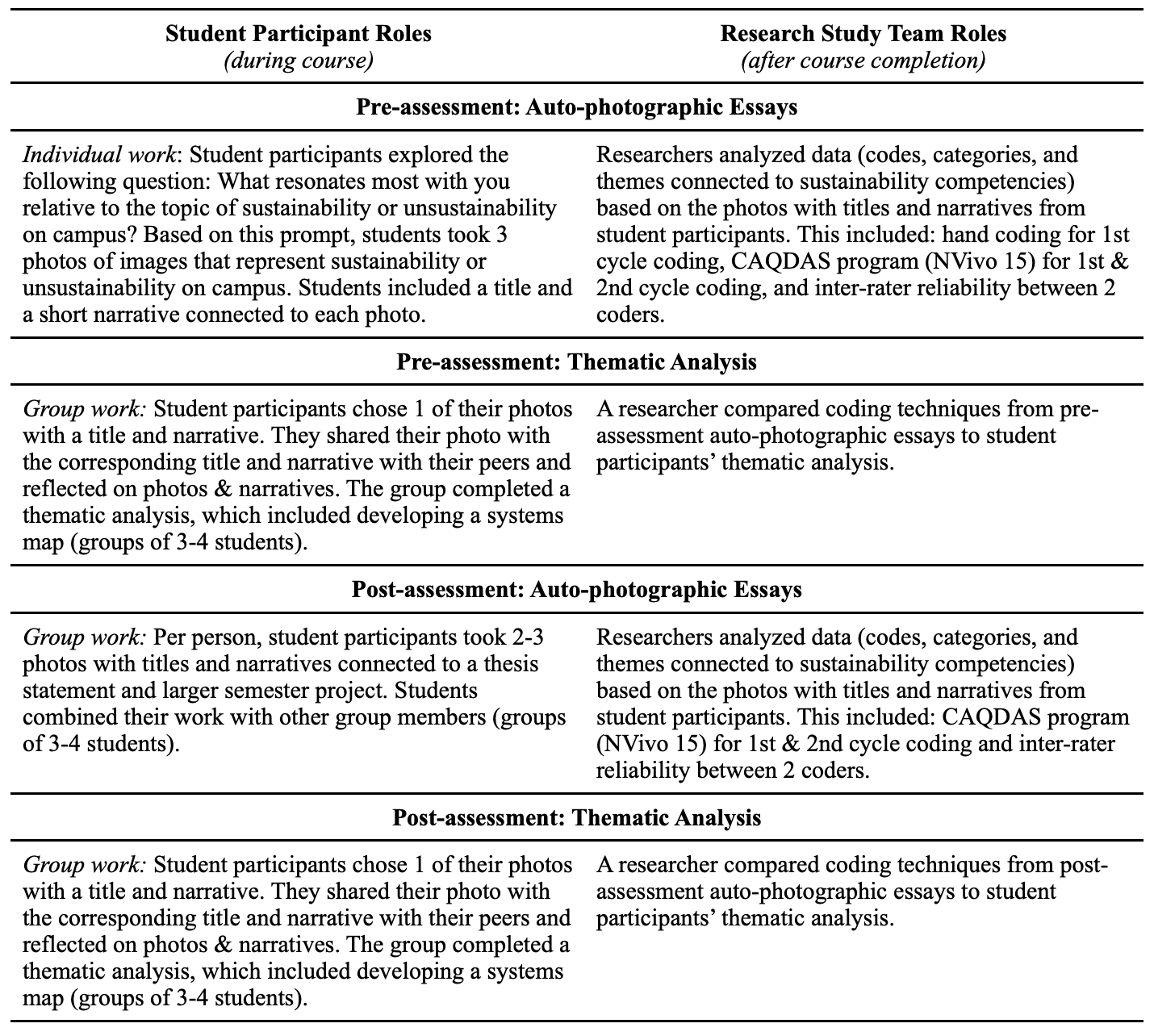
Table 1. Auto-photographic Essay Research Design
Data included pre- and post-assessment auto-photographic essays and two thematic analysis assignments for this study. After the pre-assessment photos were turned in, students were given a lesson on thematic analysis and were given time to work in groups of 3 to 4 people to perform a thematic analysis on peer pre-assessment photos. Students chose their top auto-photographic essay, and each person shared their work while asking their team members questions about their photos. Questions were adapted from Wang’s (1999) work with photovoice and included: What do you see here? What do you think is happening here? How does this relate to sustainability or unsustainability on campus? Students described their photos and read their narratives to their peers. Then the group discussed key words or phrases (“codes”) that had significant meaning to them. As a group, students compiled all of their data to develop categories and themes represented by a collaboratively developed systems map. Work, including their systems map, was turned in as a thematic analysis assignment for later member checking by researchers after course completion.
For the post-assessment, students were given their auto-photographic essay assignment in groups of 3 to 4 people. They were given an overview of a semester project in week 4 of 16. Throughout the semester, students had periodic check-ins (turned in their progress to the instructor and met with their group) and were given time to meet and work on the project in and outside of class. This assignment consisted of a thesis statement based on a topic (discussed and chosen by their group) connected to the campus sustainability map, a literature review, their auto-photographic essay (2 to 3 photos per group member; fairly divided), a discussion section, and a conclusion. In addition, students were asked to include an interview of a campus sustainability expert and a self-developed systems map based on their topic. The entire auto-photographic essay, with additional components, was due at the end of the semester. Data analysis for this project included the auto-photographic section of this work after completion of the course. Due to the difference in pre- and post-assessment auto-photographic essays (75 pre- and 50 post-assessment auto-photographic essays), the researchers relied heavily on in-depth qualitative analysis and synthesis of the work. Students conducted a thematic analysis on post-assessment auto-photographic essays, following the same protocols as their pre-assessment ones. Student participant researcher thematic analysis for both pre- and post-assessments were used later for member checking after course completion.
Coding & Data Analysis
Coding and data analysis began once the semester for the selected sustainability course was over and all grades for students were completed and submitted. The study included 25 self-selected student participants who turned in 25 pre-assessment auto-photographic essays, which included 3 photos with titles and narratives for each participant (a total of 75 photos). The same student participants turned in 1 to 3 post-assessment auto-photographic essays (most students turned in 2; a total of 50 photos). After the data was collected and organized, student participants were assigned numbers for anonymity. An unequal number of auto-photographic essays were included based on the pre- and post-assessment expectations and requirements. Coders considered coding density, content and thematic analysis of data, and how demonstrated sustainability competencies changed over time for student participants.
Two coders initially hand-coded pre-assessment data. One of the coders was lead in coding all of the data, whereas the second coder coded a data sample of 10% or higher for inter-rater reliability considerations. The coders met on a regular basis to discuss processes and ensure consistency in the coding approach. First cycle coding included multiple iterations of hand-coding of pre-assessment data. Then pre-assessment data was coded multiple times in a computer-assisted qualitative data analysis software (CAQDAS) program, NVivo 15. Post-assessment data was coded with the same software program. Through the coding process, the codebook evolved and included sustainability competencies based on existing literature (Wahl & Rudinger, 2025; Redman & Wiek, 2021; Glasser & Hirsch, 2016; Pacis & VanWynsberghe, 2020; Capra & Luisi, 2014). The competencies included were ones that emerged throughout the coding process based on the data. The final codebook developed and utilized by coders is presented in Table 2.
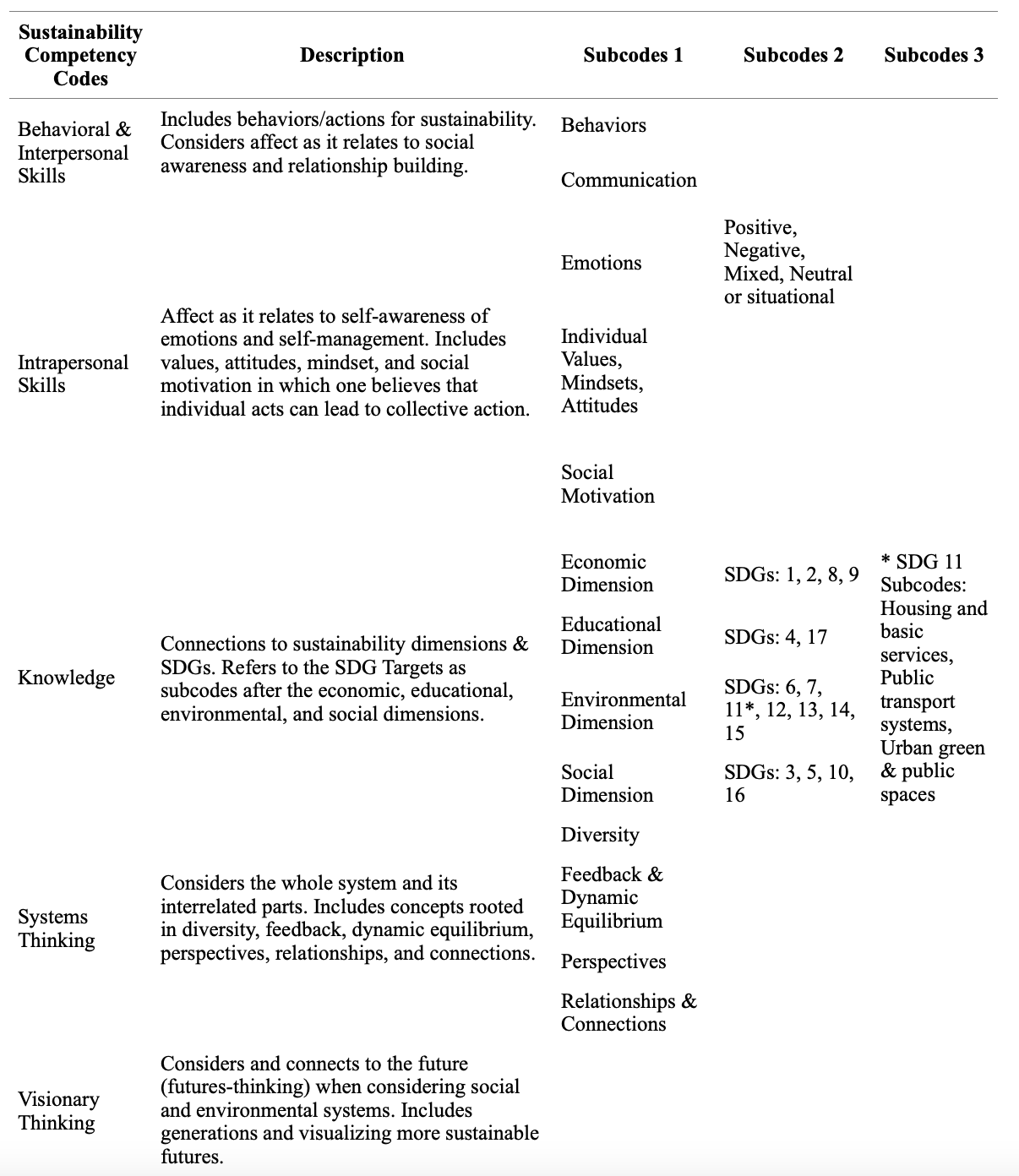
Table 2. Sustainability Competency Codebook
The codebook creation and coding process was both deductive and inductive (Saldaña, 2016). Subcodes (child codes) were created based on the student participant data that emerged during coding for the main codes (parent codes). The knowledge competency was divided into four dimensions (economic, educational, environmental, and social), which were further divided into SDGs. This organization was inspired by the UW–Madison Sustainability Research Hub (UW–Madison Sustainability Hub, personal communication, July 2025). Additional nested subcodes (grandchild codes) under SDG 11 included codes based the SDG Targets of housing and basic services, public transport systems, and urban green and public spaces. Once the final codebook was agreed upon, second cycle coding was performed for all data again. Each photo with the corresponding narrative was coded according to the sustainability competencies. The study’s analysis and synthesis of auto-photographic essays was based on the qualitative coding processes of Wang and Burris (1997), Rose (2016), and Saldaña (2016). Final thematic analysis was completed and included member checking from the student participants’ thematic analysis for both pre- and post-assessment data.
Validity of the research was addressed throughout the study. This included quality, rigor, and trustworthiness of the research (Golafshani, 2003; Wells, 2011). Trustworthiness included addressing bias, attention to detail, collaborative decision-making, inter-rater reliability, member checking, and sources of data (Noble & Smith, 2015). For this study, researchers collected diverse data, such as photos and written work. Member checking included student participant thematic analysis. Inter-rater reliability supported trustworthiness. Cohen’s Kappa was used to calculate inter-rater reliability in NVivo 15 based on running queries of pre- and post-assessment auto-photographic essay data. The queries yielded high Kappa values within the range of 0.85-1 for pre- and post-assessment data. Qualitative depth versus quantitative methods were emphasized in this study, and transparency of protocols was addressed throughout the entire study. Coders agreed upon protocols and adjusted as the codebook and processes evolved in the study to be consistent with findings based on student participant data.
Results & Discussion
Results indicated that place-based participatory photography methods are effective in supporting sustainability competencies. Coding frequency and percentages of occurrence led our research team to do another in-depth analysis of photos and narratives, which led to second cycle coding and thematic analysis. For pre-assessments, the data was more frequently coded for the intrapersonal skills competency (including emotions, values/attitudes/mindset, and social motivation). For post-assessments, the data was more frequently coded for the following competencies: behavioral and interpersonal skills, knowledge, systems thinking, and visionary thinking (Table 3).
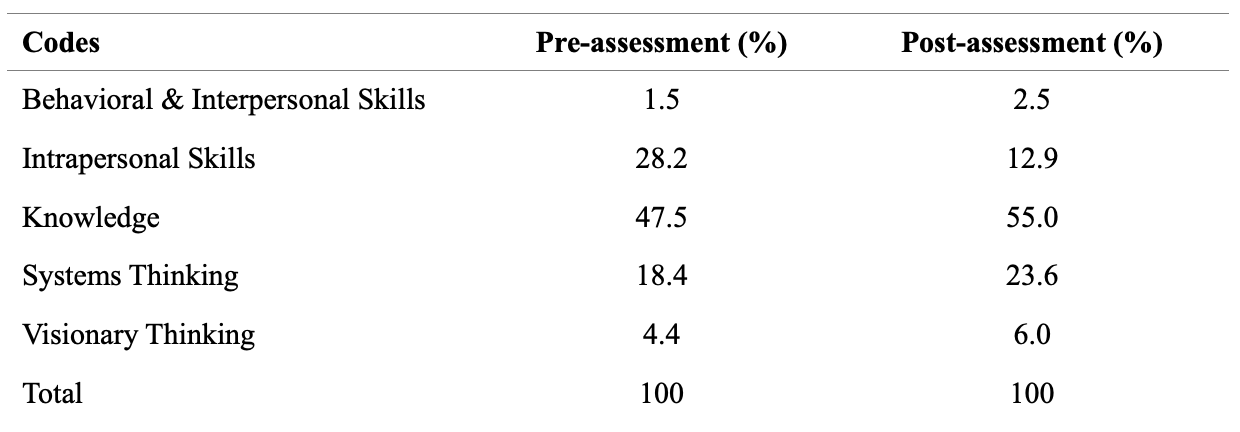
Table 3. Sustainability Competency Codes
In both assessments, the technical skills and strategic thinking competencies included 4 or fewer instances that were coded. This may be due to how participatory photography lends itself more aptly to being an observer of those who are in the position of demonstrating and implementing these competencies. Student participants took photos and interviewed others rather than displaying their own strategic thinking and technical skills. As a result of thematic analysis for this study, 3 themes were identified based on the findings. These centered on place-based participatory photography being effective in supporting sustainability competencies and more closely connected to the following competencies: intrapersonal, knowledge, and systems thinking. The findings indicated the themes that follow.
Theme 1: Place-based participatory photography methods combined with autonomy and reflection support the intrapersonal skills competency for sustainability.
In our study, the intrapersonal skills competency included emotions, values, attitudes, mindsets, and social motivations. We coded according to the competencies (deductive) and data itself (inductive) and used value and emotion coding techniques (Saldaña, 2016). There was a higher frequency of intrapersonal codes in pre-assessments versus post-assessments (95 for pre- and 56 for post-assessments). Emotions were much more prevalent in pre-assessments, although social motivation was also significantly reported in post-assessments (Table 4).
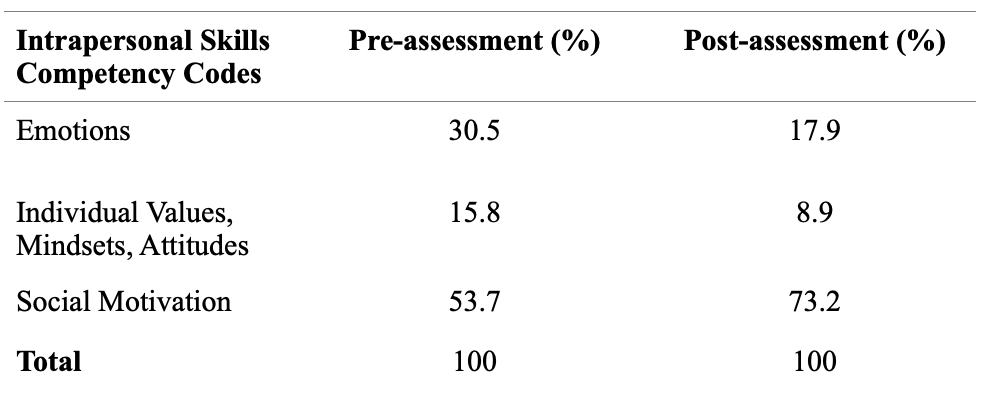
Table 4. Intrapersonal Skills Competency Codes
Some examples of words within phrases that were coded for emotion included: interesting, wonder, amazed, determined, hope, appreciate, proud, meaningful, pleased, impressive, striking, and optimism. Emotions included binary emotions, such as positive and negative emotions, but also mixed (e.g., bittersweet) and neutral (e.g., focused). Some examples of words with phrases coded for values included: individual values, mindset, attitudes, and social motivation. Social motivation included times where student participants felt that individuals’ acts and/or demonstrations of sustainability would lead to others exhibiting sustainable behavior. Social motivation considerations also included accessibility and leadership related to inspiring self/others to be more sustainable. Accessibility included resources available in proximity of individuals, which made it easier to practice sustainable behaviors (e.g., waste bins in proximity, public transportation and e-bikes available). Leadership included those modeling sustainability practices to serve as an example for others. The intrapersonal skills competency codes are presented in Table 4 with sample codes from both pre- and post-assessments found in Plate 1.
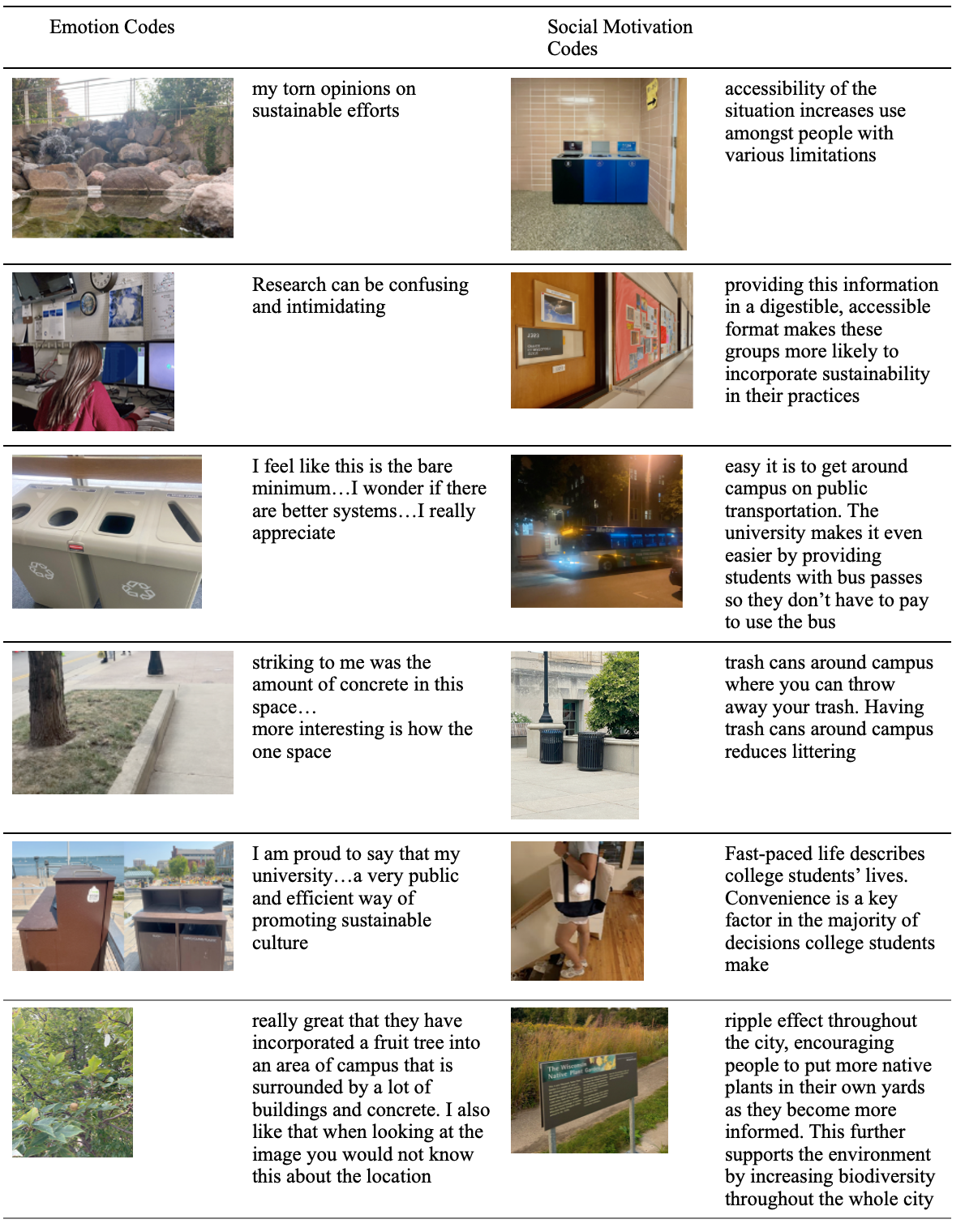
Plate 1. Intrapersonal Competency Samples
We found that student participants tended to connect more to the intrapersonal skills competency in the pre-assessments as it related to emotions and values, mindsets, and attitudes versus the post-assessments. This may correlate to a higher chance of connecting to the intrapersonal skills competency with more autonomy, fewer assignment requirements, and less structure overall. There were fewer instances of the intrapersonal skills competency in the post-assessments in which students had more requirements associated with their group project. Students need time to self-reflect and make personal connections to process what they are learning (Kolb, 1984). Arts-based research connected to photography helps the observer connect to their reality and learning experiences (Winton, 2016). Winton (2016) states,
This very act of looking can change the way the world is seen. In making photographs, participants may contemplate the reason behind the images, their gaze and its subsequent meaning. The camera, then, creates a distance between subject and object, between the participants and their embodied experience, which in turn may invite contemplation and deeper reflection (p. 432).
Participatory photography methods also support affective learning connected to emotions (Ardoin et al., 2013; Harper, 2002), and space should be provided to foster these connections and reflections in the learning process. With enough time to process learning through reflection, student participant observers are able to connect to the intrapersonal skills competency, and they have a chance to examine their emotions, attitudes, and values. This indicates that too much written text may inhibit learning processes. Butler-Kisber (2008) explains that using alternatives to written work is a way to “counteract the hegemony and linearity in written texts, to increase voice and reflexivity in the research process, and to expand the possibilities of multiple, diverse realities and understandings” (p. 268). Learning to balance forms of expression builds connections to the self and their environment. Although emotions, along with values, mindsets, and attitudes, were coded more frequently in pre-assessments, social motivation results were slightly higher in the post-assessments, indicating that participants believe that social systems may influence sustainability practices regardless of the design or timing of the assessment (beginning or end of the semester). Of particular interest was a high number of instances where accessibility was key in motivating sustainable behaviors.
Theme 2: Place-based participatory photography methods that correlate to a campus sustainability map and the SDGs improve the knowledge competency for sustainability.
The knowledge competency had the highest frequency of occurrence in the pre- and post-assessments. Most of the results for both assessments were coded for the environmental dimension. For the pre-assessments, most of the environmental dimension codes included: SDG 12 (Responsible Consumption and Production) and SDG 11 (Sustainable Cities and Communities). SDG 11 included subcodes pertaining to the SDG Targets: housing and basic services, public transport systems, and urban green and public spaces. A few pre-assessments were coded for SDG 6 (Clean Water and Sanitation) (Table 5).
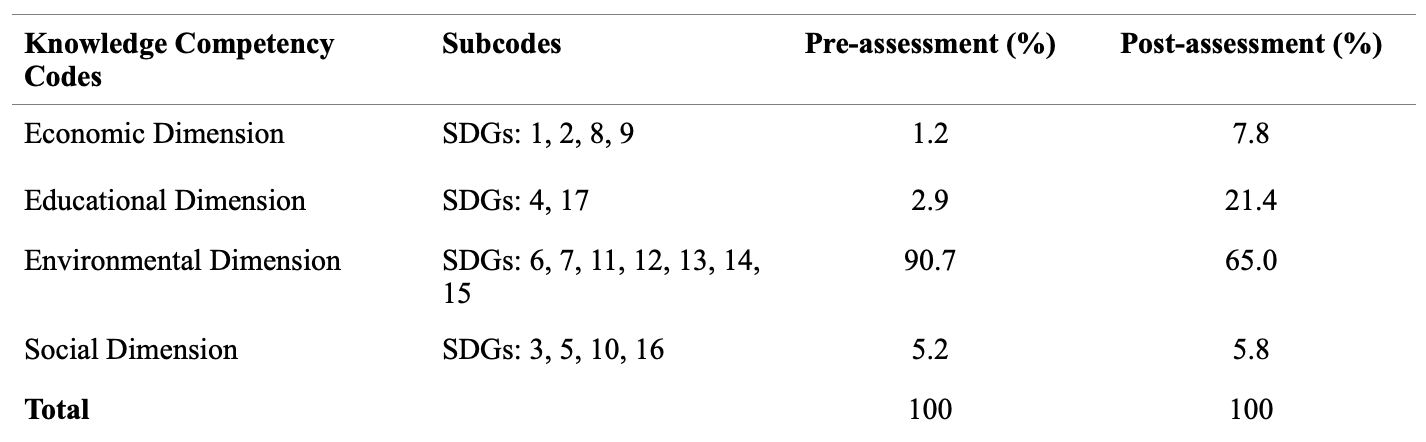
Table 5. Knowledge Competency Codes
For the post-assessments, there were more that were coded for the knowledge competency (172 for pre- and 257 for post-assessments), and there was a more diverse range of topics related to the SDGs than compared with the pre-assessments. In Figure 1, the lines with ‘dots’ represent the different SDG topics, and the figure shows an increase in the diversity of topics in the post-assessment versus the pre-assessment. This likely corresponds to the requirements of the auto-photographic essay deliverables in which student participants needed to connect to campus and refer to the campus sustainability map, which is organized by the SDGs (Stanton et al., 2021). Students also included more in-depth descriptions, interviews from campus sustainability experts, and were more proficient in identifying the SDGs overall.
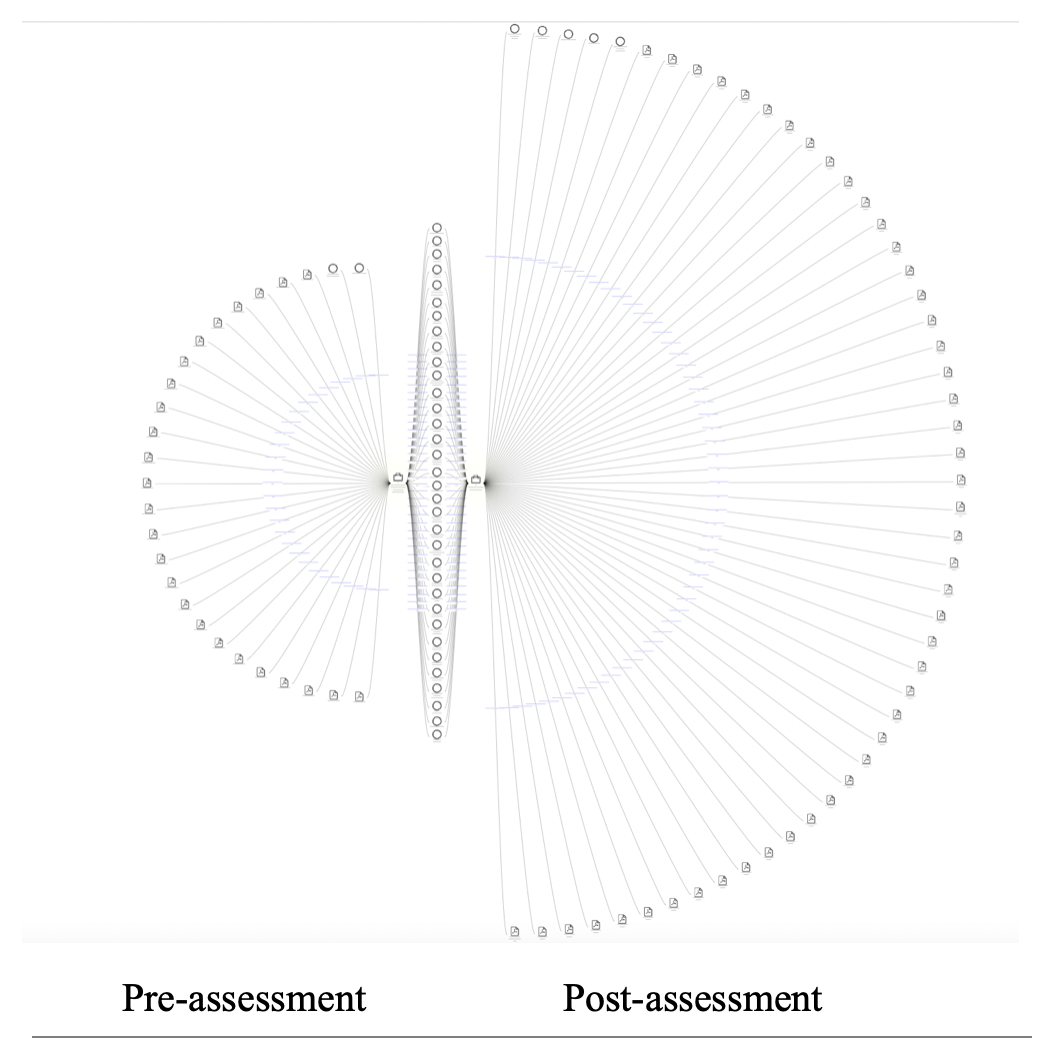
Figure 1. Knowledge Competency Comparison for Pre- and Post-assessments
There were fewer codes in both assessments for other sustainability dimensions (economic, educational, and social) compared to the environmental dimension. One possibility is that there is more of an emphasis and availability of resources connected to the environmental dimension. In addition, the campus currently has environmental sustainability goals, possibly placing a further emphasis on this dimension as it relates to campus sustainability initiatives. More research would be needed to explore the rationale behind the results. One additional aspect that was quite noticeable was the increase in the frequency of codes that related to the educational dimensions. Both nested subcodes under SDG 4: Quality Education (partnership for the goals and quality education) increased for post-assessments. Some examples of codes for the educational dimension can be found in Plate 2.
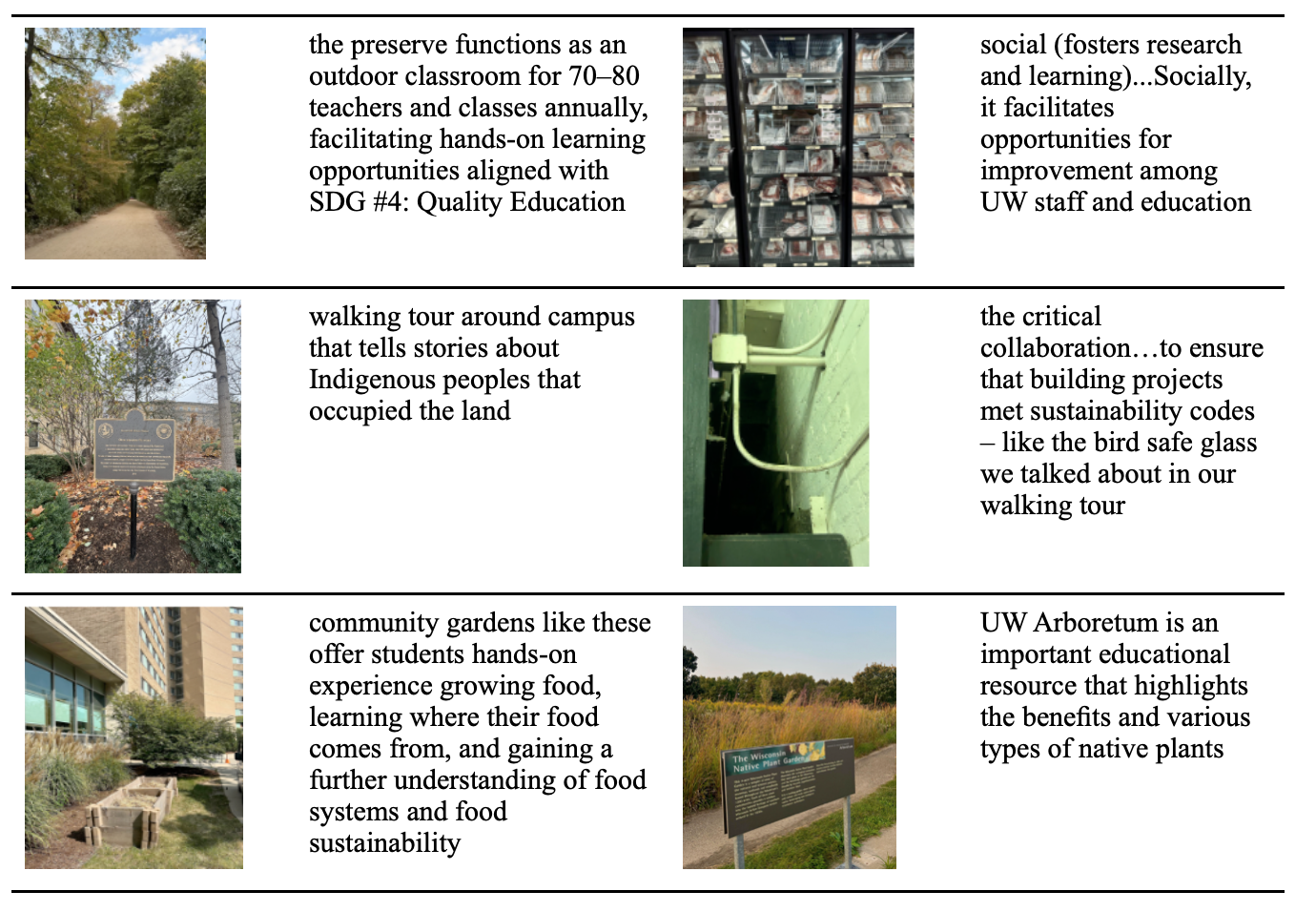
Plate 2. Educational Dimension Codes Examples
Findings indicate that there could be a more holistic approach to learning sustainability dimensions related to the SDGs. This correlates to additional studies rooted in sustainability education at Higher Education Institutions (HEIs). For, although sustainability education has been increasing in HEIs (Menon & Suresh, 2020; Caerio & Azeiteiro, 2020), approaches tend to lack a holistic approach that includes the typical framework that includes the 3 dimensions of sustainability (environmental, social, and economic dimensions) (Menon & Suresh, 2020). In addition, connections to SDGs connected to HEIs has also been increasing, but more needs to be accomplished as to how we are teaching sustainability concepts related to experiential education and real-world connections and applications (Caerio & Azeiteiro, 2020; Hislop, 2017). HEIs are key to fostering a sustainability worldview, and competencies focused on SDG knowledge and systems thinking should be included in a holistic sustainability educational approach (Žalėnienė & Pereira, 2021). This further emphasizes the consideration of including sustainability dimensions, SDGs, and ways to dynamically balance the environmental dimension with other dimensions holistically as a teaching-learning system.
Theme 3: Place-based participatory photography methods have the potential to offer a more diverse understanding of our socio-environmental systems through the systems thinking competency.
There was a higher frequency of the systems thinking competency code in the post-assessments (65 for pre- and 118 for post-assessments), although this is not well-represented in percentages of findings (Table 6). It is also worth remembering that there were fewer photos in the post-assessments, which still had a higher frequency of systems thinking codes. These results may be due to how the learning experiences were structured throughout the semester.
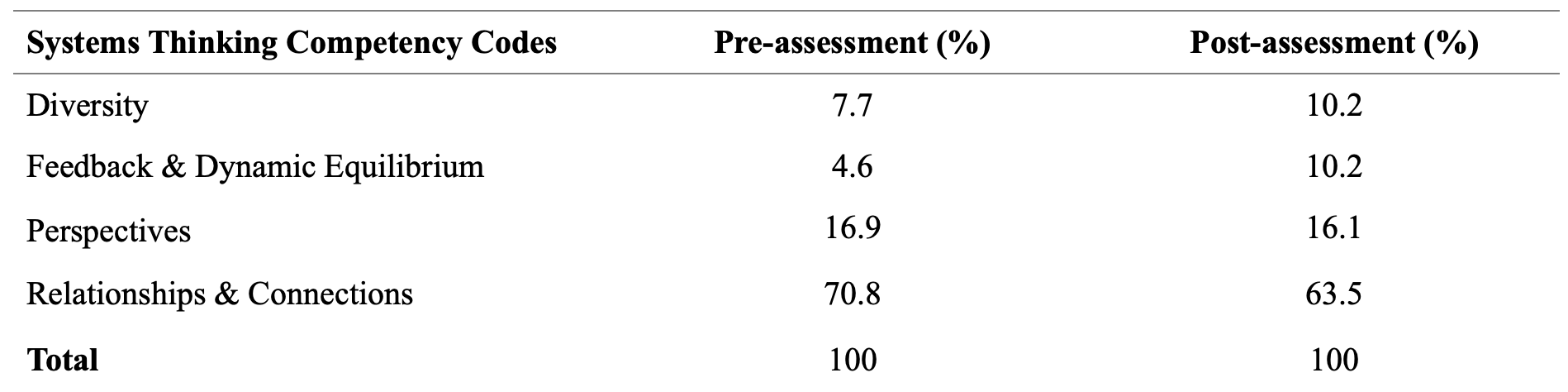
Table 6. Systems Thinking Competency Codes
Systems thinking was interwoven throughout the semester and was also intentionally connected to student learning prior to post-assessment deadlines. In this case, student participants completed a literature review and developed a systems map in their groups related to their post-assessment topic. This helped foster sustainability competencies while also supporting sustainability education pedagogy. In addition, students were required to interview one campus sustainability expert, and the interview could either be turned in as part of the literature review or as part of their post-assessment. These connections may have led to an increase in narratives which reflected connections and relationships in socio-environmental systems. Systems thinking was reflected in not only student participant auto-photographic essays, but also in student participant thematic analysis of post-assessment data, in particular.
This growth and development related to the systems thinking competency is crucial to SE pedagogy and how we view the world (Voulvoulis et al., 2022; Žalėnienė & Pereira, 2021). Sustainability education, as it supports the SDGs, provides a context of how we teach this information as well as how students can learn from their environment (Voulvoulis et al., 2022; Sterling, 2004). An educational system itself is a network for sustainable transformation. As educators, we can consider the state of our current educational system to make future transformations for more sustainable lifestyles. SE with systems thinking links inquiry, knowledge, and action to build healthier futures for selves and communities (Sustainable Schools Project, 2016). Through auto-photographic methods, student participants were able to strengthen their own understanding of sustainability and socio-environmental systems through a systems thinking lens.
Further Discussion & Limitations
Intrapersonal skills, knowledge, and systems thinking competencies were significant in the findings and led to the development of themes. The remaining competencies included behavioral and interpersonal skills as well as visionary thinking, and the findings for these were not as significant as the other theme-related ones. Behavioral skills include behaviors and actions that support sustainable practices and systems. Interpersonal skills consider affect as it relates to social awareness and relationship building. Visionary thinking considers and connects to the future and future generations when considering socio-environmental systems. This relates to sustainability definitions, including the commonly cited definition from the World Commission on Environment and Development (WCED) (1987) where it references sustainable development as “development that meets the needs of the present without compromising the ability of future generations to meet their own needs” (p. 41).
Assessment data findings increased slightly in post-assessments than pre-assessments for the behavioral and interpersonal skills competency and the visionary thinking competency. Yet, the overall percentages for these competencies were low in comparison to other competencies. This may be due to the participatory photography process and that it may not lend itself well to showing the actions and behaviors of the one taking the photographs. Also, photography taken in the moment grounds the photographer in the present more so than envisioning more sustainable futures. As these competencies are considered valuable to sustainability education (Redman & Wiek, 2021), more research should be explored to figure out how these competencies correlate to PPM and their contributions to future social change (Fairey, 2017; Fairey, 2015).
As strategic skills and technical skills are important components of sustainability education (Wahl & Rudinger, 2025; Redman & Wiek, 2021; Mulder, 2014), more research could also explore the connection between strategic thinking and technical skills and PPM. PPM did not lend itself well to these sustainability competencies in this study. Students may have observed others showing these skills, but did not demonstrate the skills themselves in the auto-photographic essays. This may have been a limitation of how the learning experience was designed or more information from other portions of the assignment, such as the literature review, should have been included in the research study and coding process. Additional data would have given more insight into sustainability competencies and student learning in the course.
In addition to limitations of PPM in this study, there were also limitations or challenges as a result of the design of the study. For instance, there was an unequal amount of data collected pre- and post-assessment as part of the research design. Future work may collect an equal amount of pre- and post-assessment data and include additional quantitative methods and data. Finally, the codebook was developed during analysis, so the student participant researchers conducted thematic analysis with self-developed codebooks. This made member checking more difficult than necessary and could have been avoided in the coding process.
Conclusion
The purpose of this study was to examine place-based participatory photography (auto-photographic essay) methods to support sustainability competencies connected to the SDGs. Findings indicated that place-based participatory photography methods support sustainability competencies. These methods were particularly effective in supporting the following competencies: intrapersonal skills, knowledge, and systems thinking. Findings indicated that sustainability education pedagogy connected to place and participatory photography methods foster learning experiences connected to sustainability competencies. Findings also indicated that campus sustainability maps are valuable in increasing the knowledge competency for sustainability. More connections were found in pre-assessments for the intrapersonal competency, whereas connections to the knowledge and systems thinking competencies were more prevalent in post-assessments. This may correlate to the higher expectations and requirements of the post-assessment assignment. Post-assessments were more in-depth and diverse in learning experiences connected to both systems thinking and knowledge competencies related to SDGs.
This study expands awareness on fundamental place-based participatory sustainability teaching pedagogy that includes sustainability competencies and the SDGs, including SDG 4: Quality Education and Target 4.7 (sustainable development education). SDG Target 4.7 promotes sustainable lifestyles in social systems. This correlates to individuals acquiring the skills, knowledge, and abilities to enact sustainable change. To reflect this goal, sustainability competencies, such as the ones in this study, need to be included as critical components of learning for sustainability. This type of learning results from sustainability pedagogy, including participatory photography methods (PPM). PPM connected to place (e.g., a university campus map) has a wealth of opportunities in supporting sustainable development education. PPM, including auto-photographic essays, are methods that are adaptable, flexible, and may also focus on a range of topics to increase student learning. As a result, this study may be applicable to transdisciplinary subjects and diverse ages at Higher Education Institutions (HEIs). Learning experiences may also be adapted based on this study to focus on particular sustainability competencies.
HEIs are uniquely positioned for educators to develop sustainability pedagogy and competencies to support the SDGs. Place-based participatory methods are useful approaches to strengthen sustainability competencies and can be adapted across a range of topics and settings. Students are able to learn through building connections to place while considering systems and how to frame sustainability thinking and practice. These learning processes lead to a greater awareness of sustainability issues locally, with an understanding of greater socio-environmental issues. Sustainability competencies and connections to place are becoming increasingly more relevant as we learn to live more sustainably. This learning is nested within sustainability education – a key component to ensure sustainable development and more sustainable socio-environmental systems overall.
Statement
The content of this publication has not been approved by the United Nations and does not reflect the views of the United Nations or its officials or Member States.
References
Äärelä-Vihriälä, R., Paananen, S., Häikiö, T.K., Keskitalo, P., Lohilahti, M.L., & Häkkilä, J. (2024). Engaging northern children’s perspectives on sustainability: Collaborative art-based methods in education. In T. Jokela, M. Huhmarniemi, K. Burnett (Eds.), Relate north: New genre arctic art education: Beyond borders (pp. 180-206). InSEA Publications.
Anderson, K., Elder-Robinson, E., Howard, K., & Garvey, G. (2023). A systematic methods review of photovoice research with indigenous young people. International Journal of Qualitative Methods, 22, 1-37.
Annan-Aggrey, E., & Arku, G. (2024). Picture this! Vulnerable women’s perspectives on SDGs prioritisation. International Development Planning Review, 46(3), 321-344.
Ardoin, N.M., DiGiano, M., Bundy, J., Chang, S., Holthuis, N., & O’Connor, K. (2013). Using digital photography and journaling in evaluation of field-based environmental education programs. Studies in Educational Evaluation, 41, 68-76.
Bartlett, P.W., Popov, M., & Ruppert, J. (2020). Integrating core sustainability meta-competencies and SDGs across the silos in curriculum and professional development. In G. Nhamo & V. Mjimba (Eds.), Sustainable development goals and institutions of higher education (pp. 71-85). Cham: Springer International Publishing.
Bee, R.L. (1974). Patterns and processes. An introduction to anthropological strategies for study of sociocultural change, Macmillan Publishing.
Brundiers, K., Barth, M., Cebrián, G., et al. (2020). Key competencies in sustainability in higher education: Toward an agreed-upon reference framework. Sustainability Science, 16, 1-17.
Butler-Kisber, L. (2008). Collage as inquiry. In J. G. Knowles & A. L. Cole (Eds.), Handbook of the arts in qualitative research: Perspectives, methodologies, examples, and issues (265–276). SAGE.
Caerio, S., & Azeiteiro, U.M. (2020). Sustainability assessment in higher education institutions. Sustainability, 12, 1-4.
Capra, F., & Luisi, P.L. (2014). The systems view of life: A unifying vision. Cambridge University Press.
Cerv, P.B., Möller, A. & Johnson, B. (2023). What does nature mean to you? A photo analysis of urban middle school students’ perceptions of nature. Environmental Education Research, 30(6), 987-1006.
Chambers, R. (1994). The origins and practice of participatory rural appraisal. World Development, 22(7), 953-969.
Cotton, D., Winter, J., Allison, J. A., & Mullee, R. (2023). Visual images of sustainability in higher education: The hidden curriculum of climate change on campus. International Journal of Sustainability in Higher Education, 24(7), 1576-1593.
Crick, R.D. (2008). Key competencies for education in a European context: Narratives of accountability or care. European Educational Research Journal, 7(3), 311-318.
da Silva, S.L.R., Machado, D.F., & da Silva, J.A.P. (2024). Interdisciplinary image reading in the context of critical environmental education through photography. Revista de Gestão Social e Ambiental, 18(11), 1-17.
Davey, N.G. (2025). Photography as an approach in energy transitions research: Visual surveying, auto-photography & photo-elicitation in Scotland’s Orkney Islands. International Journal of Qualitative Methods, 24, 1-13.
Dennis Jr, S.F., Gaulocher, S., Carpiano, R.M., & Brown, D. (2009). Participatory photo mapping (PPM): Exploring an integrated method for health and place research with young people. Health & place, 15(2), 466-473.
Derr, V., & Simons, J. (2020). A review of photovoice applications in environment, sustainability, and conservation contexts: Is the method maintaining its emancipatory intents? Environmental Education Research, 26(3), 359-380.
Fairey, T. (2017). These photos were my life: Understanding the impact of participatory photography projects. Community Development Journal, 53(4), 618-636.
Fairey, T. (2015). Whose pictures are these? Re-framing the promise of participatory photography [Doctoral dissertation, Goldsmiths, University of London].
Forman, R. (1995). Land mosaics: The ecology of landscapes and regions. Cambridge University Press.
Franquesa-Soler, M., & Mesa-Jurado, M.A. (2026). Photovoice: A community-based research and communication tool for wildlife conservation and coexistence. In D. Zhu, R. Rozzi, R. Tsuji et al. (Eds.), Linking Arts with Biocultural Conservation, Restoration, and Communication (pp. 397-415). Cham: Springer Nature Switzerland.
Glasser, H., & Hirsh, J. (2016). Toward the development of robust learning for sustainability core competencies. Sustainability: The Journal of Record, 9(3), 121-134.
Glaw, X., Kerry, I., Kable, A. & Hazelton, M. (2017). Visual methodologies in qualitative research: Autophotography and photo elicitation applied to mental health research. International Journal of Qualitative Methods, 16, 1–8.
Golafshani, N. (2003). Understanding reliability and validity in qualitative research. The Qualitative Report, 8(4), 597-607.
Grimwood, B.S.R., Arthurs, W. & Vogel, T. (2015). Photo essays for experiential learning: Toward a critical pedagogy of place in tourism education. Journal of Teaching in Travel & Tourism, 15(4), 362-381.
Gul, K., Fasih, S., Morande, S., & Ramish, M. (2024). Participatory visual methods and artificial intelligence-driven analysis for sustainable consumption insights. Sustainability, 16(16), 1-15.
Harper, D. (2002). Talking about pictures: A case for photo elicitation. Visual studies, 17(1), 13-26.
Hislop, M. (2017). What is sustainability education? Green Education Foundation (GEF). http://www.gefinstitute.org.
Ikerd, J. (2012). The essentials of economic sustainability. Kumarian Press, Sterling.
Johnson, J. (2012). Place-based learning and knowing: Critical pedagogies grounded inindigeneity. Geojournal, 77, 829-836.
Kolb, D.A. (1984), Experiential learning: Experience as the source of learning and Development. Prentice-Hall.
Konrad, T., Wiek, A. & Barth, M. (2021). Learning processes for interpersonal competence development in project-based sustainability courses–insights from a comparative international study. International Journal of Sustainability in Higher Education, 22(3), 535-560.
Lin, C., & Li, Y. (2017). An auto-photographic study of undergraduate students’ conceptions of ocean sustainability. International Journal of Sustainability in Higher Education, 18(4), 554-575.
MacArthur, J., Carrard, N., Koh, S., & Willetts, J. (2022). Fostering the transformative potential of participatory photography: Insights from water and sanitation assessments. PLoS Water, 1(8), e0000036.
Marn, R., & Roldn, J. (2010). Photo essays and photographs in visual arts-based educational research. International Journal of Education through Art, 6(1), 7-23.
Menon, S., & Suresh, M. (2020). Synergizing education, research, campus operations, and community engagements towards sustainability in higher education: A literature review. International Journal of Sustainability in Higher Education, 21(5), 1015-1051.
Mindt, L., & Rieckmann, M. (2017). Developing competencies for sustainability- driven entrepreneurship in higher education: a literature review of teaching and learning methods. Teoría de La Educación. Revista Interuniversitaria, 29(1), 129.
Mordock K., & Krasny, M.E. (2001). Participatory action research: A theoretical and practical framework for environmental education. Journal of Environmental Education, 32(3), 15-20.
Mulder, K. (2014). Strategic competencies, critically important for sustainable development. Journal of Cleaner Production, 78, 243-248.
Noble, H., & Smith, J. (2015). Issues of validity and reliability in qualitative research. Evidence-Based Nursing, 18(2), 34-5.
O’Bryne, D., Dripps, W., & Nicholas, K.A. (2015). Teaching and learning sustainability: An assessment of the curriculum content and structure of sustainability degree programs in higher education. Sustainability Science, 10, 43-59.
Pacis, M., & VanWynsberghe, R. (2020). Key sustainability competencies for education for sustainability: Creating a living, learning and adaptive tool for widespread use. International Journal of Sustainability in Higher Education, 21(3), 575-592.
Redman, A., & Wiek, A. (2021). Competencies for advancing transformations towards sustainability. Frontiers in Education, 6, 1-19.
Redman, A., Wiek, A., & Barth, M. (2021). Current practice of assessing students’ sustainability competencies: A review of tools. Sustainability Science, 16, 117–135.
Ribeiro, M. (2019). Dead Water-a photography-based inquiry into the impact of dams in Brazil [Doctoral dissertation, University for the Creative Arts/University of Brighton].
Roque, A., Wutich, A., Quimby, B., Porter, S., Zheng, M., Hossain, M. J., & Brewis, A. (2022). Participatory approaches in water research: A review. Wiley Interdisciplinary Reviews: Water, 9(2), e1577.
Rose, G. (2016). Visual Methodologies: An introduction to researching with visual materials (4th ed.). SAGE.
Rudinger, B., & Wahl, K. (2026). Living systems and learning: Flourishing in the digital age. In R. Younis (Ed.), Promoting flourishing, authentic relationships, and growth in learners in the digital age(pp. 1-30). IGI Global Scientific Publishing.
Saldaña, J. (2016). The coding manual for qualitative researchers (3rd ed.). SAGE.
Sandholz, S., & Urrutia Il, M. (2025). “I wish to see…” Using photography and narratives tocommunicate visions of desirable and sustainable cities. PLOS Sustainability and Transformation, 4(5), e0000170.
Stanton, A., Thelen, M., & Middlecamp, C.H. (2021). A campus sustainability map organized by the UN Sustainable Development Goals. Sustainability and Climate Change, 14(4), 202-208.
Sterling, S. (2004). Sustainable education: Re-visioning learning and change. Green Books, Ltd.
Sterling S., Glasser H., Rieckmann M., & Warwick P. (2017). More than scaling up: A critical and practical inquiry into operationalizing sustainability competencies. In P.B. Corcoran, J.P. Weakland, & A.E.J. Wals (Eds.), Envisioning futures for environmental and sustainability education (pp. 153-168). Wageningen Academic.
Suprapto, N., Sunarti, T., Wulandari, D., Hidayaatullaah, H. N., Adam, A. S., & Mubarok, H. (2020). A systemic review of photovoice as participatory action research strategies. International Journal of Evaluation and Research in Education (IJERE), 9(3), 675-683.
Sustainable Schools Project. (2016, November 12). Education for Sustainability. https://sustainableschoolsproject.org/education.
Swanson, S.S., & Ardoin, N.M. (2021). Communities behind the lens: A review and critical analysis of visual participatory methods in biodiversity conservation. Biological Conservation, 262, 1-15.
Turner, C., Salm, L., Spires, M., Laar, A., & Holdsworth, M. (2023). Capturing the moment: A snapshot review of contemporary food environment research featuring participatory photography methods. Current Opinion in Environmental Sustainability, 65, 1-13.
United Nations (UN). (2015). Transforming our world: The 2030 Agenda for sustainable development. https://sustainabledevelopment.un.org
Vander Ark, T., Liebtag, E., & McClennen, N. (2020). The power of place: Authentic learning through place-based education. Alexandria.
Voulvoulis, N., Giakoumis, T., Hunt, C., Kioupi, V., Petrou, N., Souliotis, I., Vaghela, C., & binti Wan Rosely, W.I.H. (2022). Systems thinking as a paradigm shift for sustainability transformation. Global Environmental Change, 75, 1-7.
Wahl, K., & O’Neil, J. K. (2019). Experiential teaching and sustainable development. In W.L. Filho (Ed.), Encyclopedia of Sustainability in Higher Education (pp. 665-672), Springer International Publishing.
Wahl, K., & Rudinger, B. (2025). A sustainability educational system: From pedagogy to competencies. Journal of Sustainability Education, 31, 1-24.
Wang, C. (1999). Photovoice: A participatory action research strategy applied to women’s health. Journal of Women’s Health, 8(2), 185-192.
Wang, C., & Burris, M.A. (1997). Photovoice: Concept, methodology, and use for participatory needs assessment. Health Education & Behavior, 24(3), 369-387.
Wells, K. (2011). Narrative inquiry. Oxford University Press.
Wiek A., Withycombe L., & Redman C.L. (2011). Key competencies in sustainability: A reference framework for academic program development. Sustain Sci, 6(2), 203–218.
Winton, A. (2016). Using photography as a creative, collaborative research tool. The Qualitative Report, 21(2), 428-449.
World Commission on Environment and Development (WCED). (1987). Our Common Future. Report of the World Commission on Environment and Development. Published as Annex to General Assembly document A/42/427.
Žalėnienė, I., & Pereira, P. (2021). Higher education for sustainability: A global perspective. Geography and Sustainability, 2(2), 99-106.


 Dr. Kim Wahl is a Sustainability Teaching Faculty member for the Nelson Institute for Environmental Studies and Office of Sustainability at the University of Wisconsin–Madison. She teaches classes focused on sustainability and systems thinking. Her research is transdisciplinary and builds upon a transformative sustainability framework.
  Audrey Stanton is a Graduate Project Assistant with the Office of Sustainability and PhD student in the Environment and Resources program at the Nelson Institute for Environmental Studies at the University of Wisconsin–Madison. Her research interests include campus sustainability, sustainability education, and campus as a living laboratory.
  Dr. Andrea Hicks is an Associate Professor in the Department of Civil and Environmental Engineering and Assistant Dean of Sustainability Education and Research at the University of Wisconsin–Madison. Her scholarship lies at the intersection of technology and sustainability. In particular, her work focuses on the environmental impacts and sustainability implications of emerging technologies.