




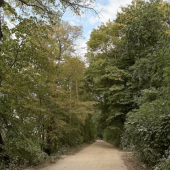
Abstract: Although participatory photography methods (PPM) have been increasing in scientific research, not many studies are well-known related to PPM and sustainable development, including connections to the United Nations Sustainable Development Goals (SDGs). The purpose of this study is to explore place-based participatory photography (combined auto-photography and photo essay or auto-photographic essay) methods to examine how they support sustainability competencies. Course design included the SDGs connected to a campus sustainability map to support learning in a sustainability higher education classroom. Twenty-five self-selected students in a semester-long sustainability course at the University of Wisconsin–Madison (UW–Madison) explored sustainability concepts connected to their university campus using place-based participatory photography methods. Data was collected from students and consisted of photographs with titles and narratives from the beginning (pre-assessment) and the end (post-assessment) of the semester. The study included member checking with student thematic analysis and inter-rater reliability of coding. In findings, student participants’ data had more connections to the intrapersonal competency in the pre-assessment than the post-assessment. The post-assessment findings indicated that participatory photography methods (PPM) connected to a campus sustainability map and the SDGs strengthened the knowledge and systems thinking competencies as connected to socio-environmental systems. PPM did not lend itself well to strategic thinking or technical skills related to sustainability competencies. This participatory photography study adds valuable insight into supporting the sustainability competencies related to the SDGs.
Continue Reading
Colleges and universities strive to educate all students for a sustainable future; however, few institutions assess students’ knowledge of sustainability concepts. Hundreds of institutions are currently measuring their overall sustainability performance using the Sustainability, Tracking, Assessment, and Rating System (STARS), which offers a boost to an institution’s overall sustainability rating if that institution conducts a “sustainability literacy assessment.” Largely due to the popularity of STARS, many faculty and staff who are involved with campus sustainability management are seeking an easy-to-replicate assessment process and instrument. Researchers at the University of Maryland developed and conducted a sustainability knowledge assessment to meet the needs of their campus and to contribute a model for the greater higher education community. This paper shares the development process, assessment instrument, significant findings, and recommendations for campuses seeking to conduct their own assessment. Correspondence should be directed to the University of Maryland – Office of Sustainability at sustainability@umd.edu
Continue Reading
 Journal of Sustainability Education is licensed under a Creative Commons Attribution License.


