





Abstract: Climate Anxiety, or anxiety stemming from an overwhelming fear of the climate crisis, is a growing phenomenon among student populations studying climate, environmental, and sustainability-related subjects (Clayton et al., 2021). When not managed properly, feelings of climate anxiety can lead to a dismissal of the seriousness of the climate crisis and even action paralysis (Hickman et al., 2021; Sangervo et al., 2022). This scoping literature review aims to synthesize the current literature on how students cope with climate anxiety, addressing the research question: How do students experience climate-related hope and anxiety, and how do different interventions or practices influence their motivation to engage in climate action? This review employed a SPIDER approach and PRISMA-ScR guidelines to identify and examine the 12 included pieces of literature through an inductive thematic analysis. This analysis identified three main themes: the complex relationship between climate anxiety and pro-environmental behaviors, the role of hope as a coping strategy, and education-focused interventions for coping with climate anxiety. This analysis highlighted tools that can be utilized in education to help students manage climate anxiety, foster critical hope, and maintain motivation to engage in pro-environmental behaviors. This literature review supports the call for academic institutions to integrate well-being support for their students studying climate-related subjects. It suggests further research on coping strategies to develop critical hope among undergraduate students.
Continue Reading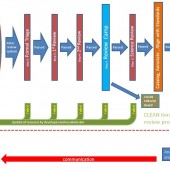
Recent changes in the climate system are mostly due to greenhouse gas emissions through increased energy use by society, which changes the distribution of energy in the Earth system. These changes highlight the importance of energy education. Energy consumption is at the source of and the solution to climate change. However, studies across the US and globally show that students’ understanding of energy and the connection between energy and climate is low. The Climate Literacy and Energy Awareness (CLEAN, http://cleanet.org) effort supports educators of middle school through undergraduate levels in their teaching about energy topics by providing an online, free collection of peer-reviewed, classroom ready resources that span the entire breadth of energy and climate education. The web portal also provides materials for teachers to learn more about how to teach about energy and climate. A vibrant community supports educators and other stakeholders in their efforts.
Continue Reading
 Journal of Sustainability Education is licensed under a Creative Commons Attribution License.


