Learning Sustainability by Practice: Linking Campus Sustainability Engagement and Occupational Safety Using STARS Data
Link to the JSE March 2026 General Issue Table of Contents
LaHood Giroir Whitman JSE March 2026 General Issue PDF
Abstract: Sustainability education in higher education often emphasizes curriculum and student learning, yet institutions also learn through operational practices and assessment systems. This study examines the relationship between campus sustainability engagement and occupational safety outcomes at U.S. higher education institutions using data from the Sustainability Tracking, Assessment and Rating System (STARS) (AASHE, 2025). Institutional characteristics, campus size, and STARS recognition levels were analyzed to assess whether stronger sustainability engagement is associated with lower rates of work-related injuries and illnesses. Findings suggest that institutions with higher sustainability engagement tend to report fewer occupational injuries and illnesses, suggesting a relationship between sustainability engagement and attention to worker safety. From a sustainability education perspective, these results demonstrate how assessment frameworks such as STARS can support institutional learning and sustainability education by linking performance data to planning and continuous improvement (Lozano et al., 2013). Integrating occupational safety into sustainability assessment reinforces safety as a sustainability outcome and illustrates how sustainability education extends beyond the classroom into everyday institutional practice.
Keywords: sustainability in higher education institutions, campus sustainability, STARS data, occupational health and safety, OSHA recordable, and campus safety
Introduction
Sustainability education in higher education is often associated with curriculum and student learning, yet colleges and universities also teach sustainability through their everyday operations and assessment practices. Campus planning, reporting, and decision making provide powerful opportunities for institutions to model sustainability values and demonstrate learning by example (Cortese, 2003; Lozano et al., 2013). When sustainability education is understood as an institutional learning process, it extends beyond the classroom and uses operational data to show how sustainability commitments are carried out in daily practice.
While campus sustainability efforts commonly emphasize environmental performance, such as energy use, waste reduction, and resource conservation, occupational safety and health are not always clearly integrated into sustainability planning, despite their direct impact on the people who work and learn on a campus. Including worker safety within sustainability frameworks reinforces sustainability as a practice that values human health alongside environmental outcomes.
Research on organizational learning in higher education suggests that institutions with strong sustainability engagement often demonstrate clear leadership commitment, coordinated planning, and the use of data to guide decision making (Velazquez et al., 2005). These same characteristics are also central to effective occupational health and safety practices, which emphasize prevention, learning from incidents, and continuous improvement. As a result, institutions that are more actively engaged in sustainability assessment may also be better positioned to create safer work environments. Building on this connection between sustainability engagement and institutional practice, broader trends in higher education further highlight the need to examine how sustainability efforts are implemented and assessed (Wals, 2013). These efforts often focus on energy use, resource management, and environmental impact, reflecting a commitment to responsible campus operations. However, occupational health and safety is not always explicitly integrated into institutional sustainability initiatives, despite its direct relevance to the well-being of faculty, staff, and student employees. As colleges and universities expand sustainability reporting and assessment practices, these efforts create opportunities to examine how worker safety and health are addressed within broader sustainability commitments. Assessment tools such as the Association for the Advancement of Sustainability in Higher Education’s Sustainability Tracking, Assessment and Rating System (AASHE STARS) allow institutions to document and evaluate operational practices related to sustainability, including aspects of workplace health and safety (AASHE, 2019; Lozano et al., 2013). Examining these indicators provides insight into whether institutions that demonstrate stronger sustainability engagement also show stronger attention to occupational health and safety, reinforcing the idea that sustainability education can function as an institutional learning process that values human health alongside environmental outcomes.
STARS provides a way to look at these issues together. STARS is a voluntary reporting framework that allows colleges and universities to document sustainability efforts across academics, operations, engagement, and planning (AASHE, 2025). Included in this system are measures related to workplace health and safety, making STARS a useful tool for exploring whether campuses with stronger sustainability efforts also experience better safety outcomes. However, this aspect of STARS data has not been widely studied in relation to occupational injury rates.
Integrating safety outcomes into sustainability planning positions campuses as learning organizations guided by assessment and continuous improvement. Research on organizational learning in higher education highlights that sustainability requires ongoing, transformative learning processes that are embedded across institutional activities, reinforcing performance and adaptive capacity in pursuit of sustainability goals (Viera Trevisan et al., 2024). By integrating sustainability practices across institutional operations, sustainability education becomes embedded within organizational thinking, culture, and institutional change.
Campus safety discussions in higher education have traditionally focused on crime, emergency response, and student protection, with far less attention given to workplace injuries and illnesses affecting faculty and staff. Federal reporting requirements such as the Clery Act have reinforced this focus by emphasizing crime statistics and security-related outcomes (Clery Center, 2025; (LaHood, 2025). From a sustainability standpoint, protecting employees from injury is not just a compliance issue, it is a long-term investment in institutional health, stability, and performance (LaHood, 2025). Including worker safety within sustainability planning and reporting reinforces sustainability as a practice that accounts for human health as well as environmental performance.
This study uses STARS data to examine whether higher education institutions with active sustainability efforts show patterns of fewer reported workplace injuries and illnesses. It also explores how institutional factors such as campus size and organizational structure relate to reported injury and illness rates among sustainability-engaged institutions. Additionally, the study looks at whether universities with stronger sustainability programs may have better overall safety outcomes.
Conceptual Framework
This study is guided by a conceptual framework that views campus safety as a systems-level outcome influenced by institutional policies, leadership practices, and organizational structures. The framework integrates both lagging safety indicators, such as recordable injury and illness rates, and leading safety indicators, including the presence of occupational health and safety management systems (OHSMS) and institutional planning practices (OSHA, 2025b). Institutional characteristics such as campus size, employee population, and physical footprint are incorporated, recognizing that organizational size can influence exposure to risk and safety performance, which is studied in first and second research questions of this study (LaHood, 2025). Sustainability engagement, as reflected through STARS participation and recognition levels, is positioned within the framework as a proxy for governance maturity and proactive management as examined in the third research question of this study (AASHE, 2025). Together, these elements suggest that sustainability initiatives, safety management systems, and institutional capacity interact to shape occupational safety outcomes, supporting the examination of safety as an integral component of higher education sustainability rather than a stand-alone compliance function.
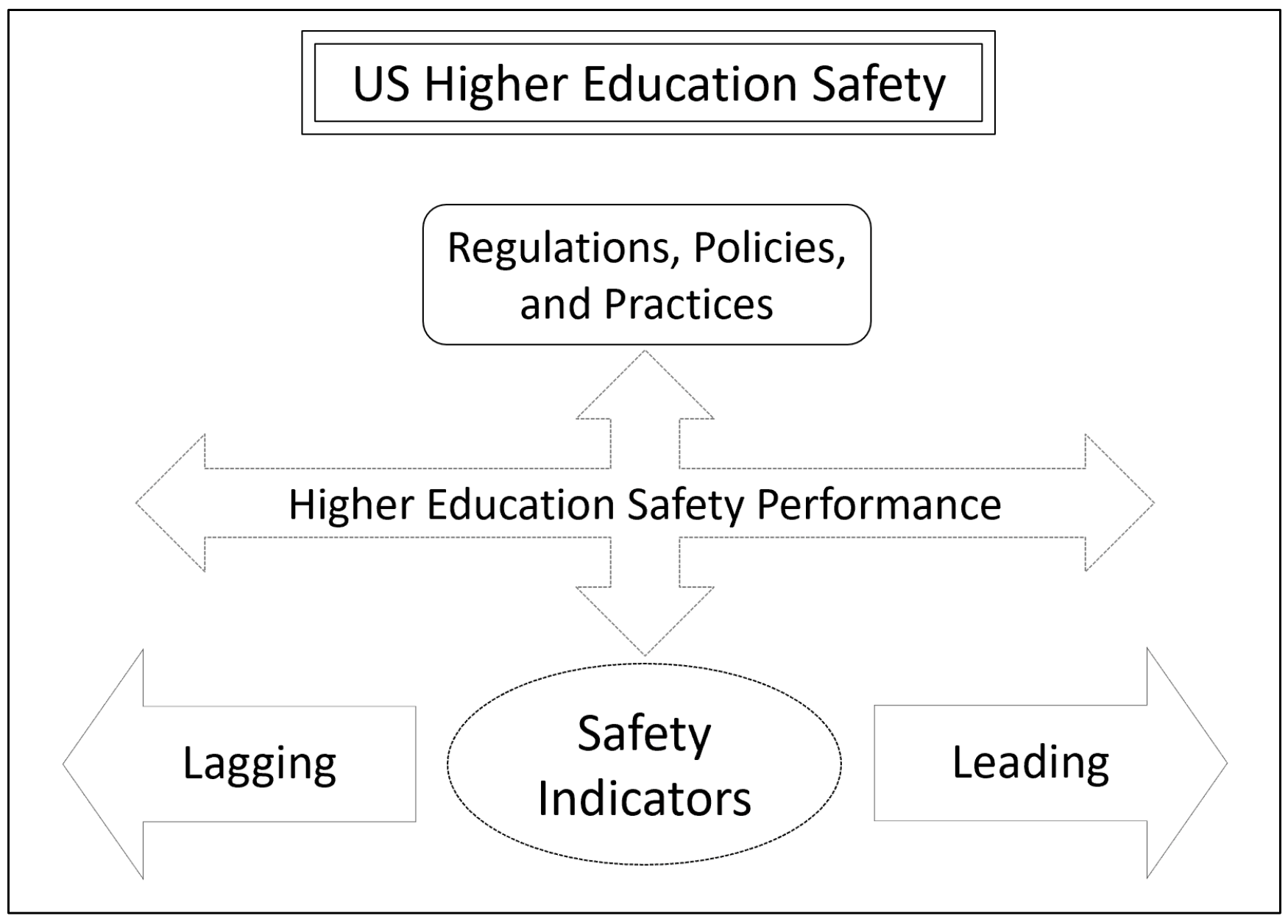
Figure 1 Conceptual Framework
Methods
Study Sample
The study sample included U.S. higher education institutions that voluntarily reported occupational health and safety data through STARS. The analytic sample consisted of 285 U.S. higher education institutions with Platinum, Gold, or Silver STARS ratings (LaHood, 2025, p. 78). Institutions were included only if they reported complete data for employee full-time equivalent (FTE) counts, occupational injury and illness rates, and institutional characteristics required for analysis. Institutions with missing, incomplete, or inconsistent safety data were excluded to maintain data integrity and ensure consistent comparisons across the sample. Institutions with Platinum-level STARS recognition were excluded from comparative analyses due to the small number of institutions in this category, which limited meaningful statistical comparison. As a result, analyses focused on institutions with Silver- and Gold-level recognition, where sufficient representation allowed for clearer examination of patterns related to sustainability engagement and occupational safety outcomes.
Data Source and Measures
Occupational injury and illness data were obtained from STARS version 2.2 reports submitted by participating institutions between August 2019 and August 2024, representing the most recent reporting cycles available at the time of data collection.
Work-related injury and illness rates were measured using annual recordable incident rates per 100 full-time equivalent employees, as reported through STARS. These rates align with Occupational Safety and Health Administration (OSHA) record-keeping definitions, which include injuries or illnesses requiring medical treatment beyond first aid, restricted work activity, job transfer, or days away from work (OSHA, n.d.).
Descriptive and basic comparative analysis were used to explore relationships between institutional characteristics and reported injury and illness rates. These analyses were intended to identify patterns and associations rather than to establish causal relationships. Variables with highly uneven distributions, such as campus acreage and total building area were adjusted using log transformation to allow for clearer comparison across institutions. Correlation and simple regression analysis were applied to evaluate how workforce size, campus physical characteristics, and STARS recognition levels relate to reported injury and illness rates. Standard criteria were used to determine whether observed relationships were statistically meaningful.
Data Analysis and Results
Data analyses were conducted using an exploratory approach to examine associations between institutional characteristics, sustainability engagement, and occupational safety outcomes. Correlation and simple regression analyses were used to assess relationships among variables, including workforce size, campus physical characteristics, and STARS recognition levels. These analyses were not intended to predict outcomes, but rather to identify patterns that may inform institutional learning and future research.
Research Question 1:
What is the relationship between the number of full-time employees and the rate of work-related injuries or illnesses?
Using STARS data, this analysis examined the relationship between institutional workforce size and reported rates of work-related injuries and illnesses per 100 full-time equivalent employees (AASHE, 2019). Workforce size was measured by the full-time equivalent number of employees, while safety performance was assessed using annual recordable incident rates. Results indicated a negative relationship between workforce size and injury rates. As the number of employees increased, the rate of reported injuries and illnesses per 100 FTE employees slightly decreased.
Figure 2 illustrates the bivariate relationship between institutional workforce size and the annual rate of OSHA recordable work-related injuries and illnesses per 100 full-time equivalent employees. The figure shows a general pattern in which institutions with larger numbers of full-time equivalent employees reported lower injury and illness rates per 100 FTE employees. This pattern reflects an observed association between workforce size and reported occupational injury rates among sustainability-engaged institutions.
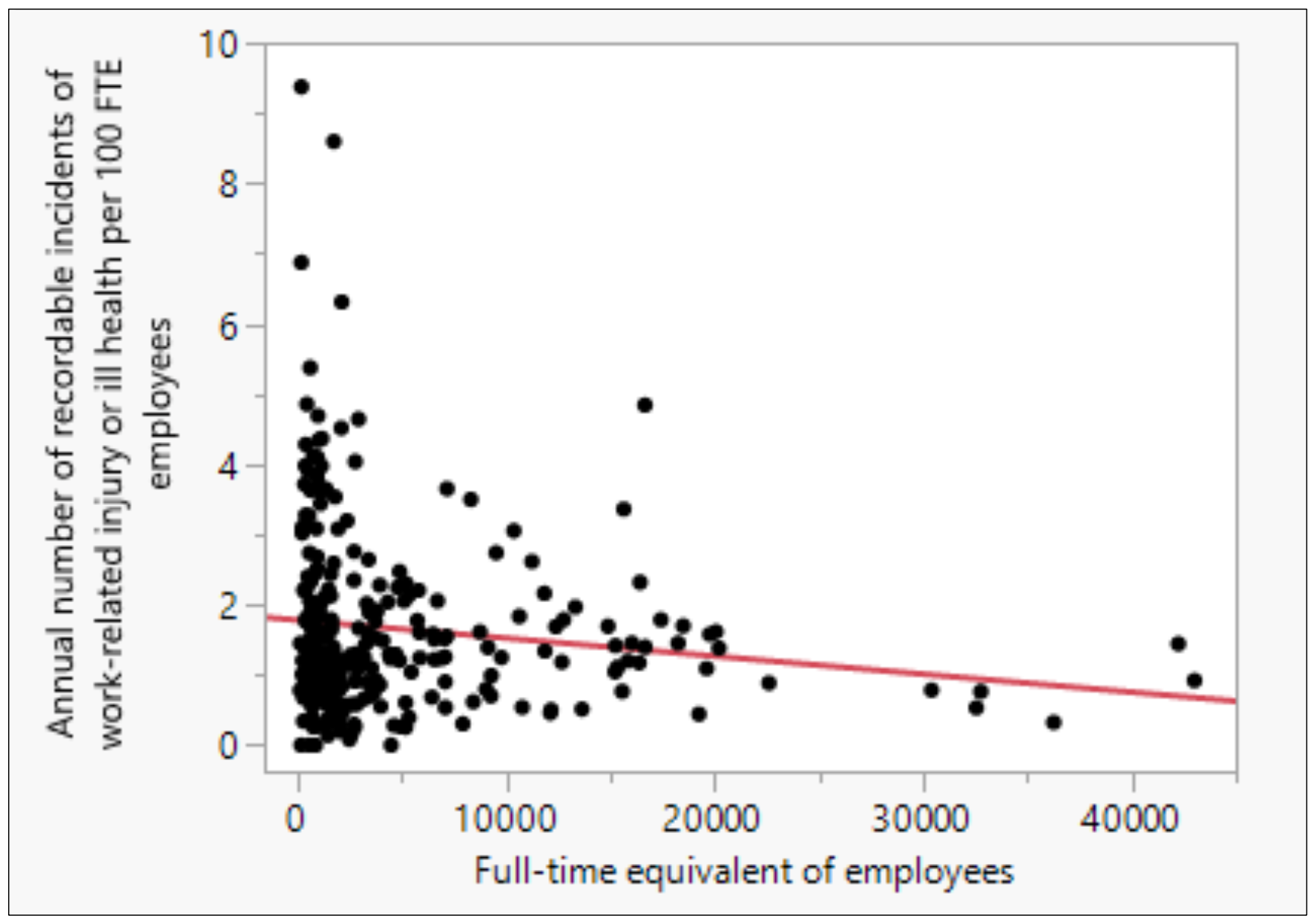
Figure 2 Bivariate Fit of Annual Number of OSHA Recordable Incidents of Work-related Injury or Ill Health per 100 FTE Employees by Full-time Equivalent of Employees
Research Question 2:
How might the total indoor and outdoor physical space of an institution influence the rate of work-related injuries and illnesses?
This analysis examined whether the size of an institution’s physical environment, including indoor building space and total campus acreage, was associated with reported occupational injury rates among sustainability-engaged campuses (AASHE, 2025). Results showed no statistically significant relationship between gross indoor building space and injury rates, suggesting that building size alone is not a strong predictor of workplace safety outcomes. Although a slight negative trend was observed, the relationship was weak and inconclusive.
Figures 3 and 4 illustrate the relationships between reported occupational injury and illness rates and institutional physical characteristics, including gross indoor building space and total campus acreage. The results show no statistically significant association between indoor building space and reported injury rates. In contrast, total campus acreage displayed a statistically significant positive association with reported injury and illness rates per 100 full-time equivalent employees, with institutions occupying larger campus areas reporting higher rates. These findings describe observable differences in injury rates related to campus physical characteristics among sustainability-engaged institutions.
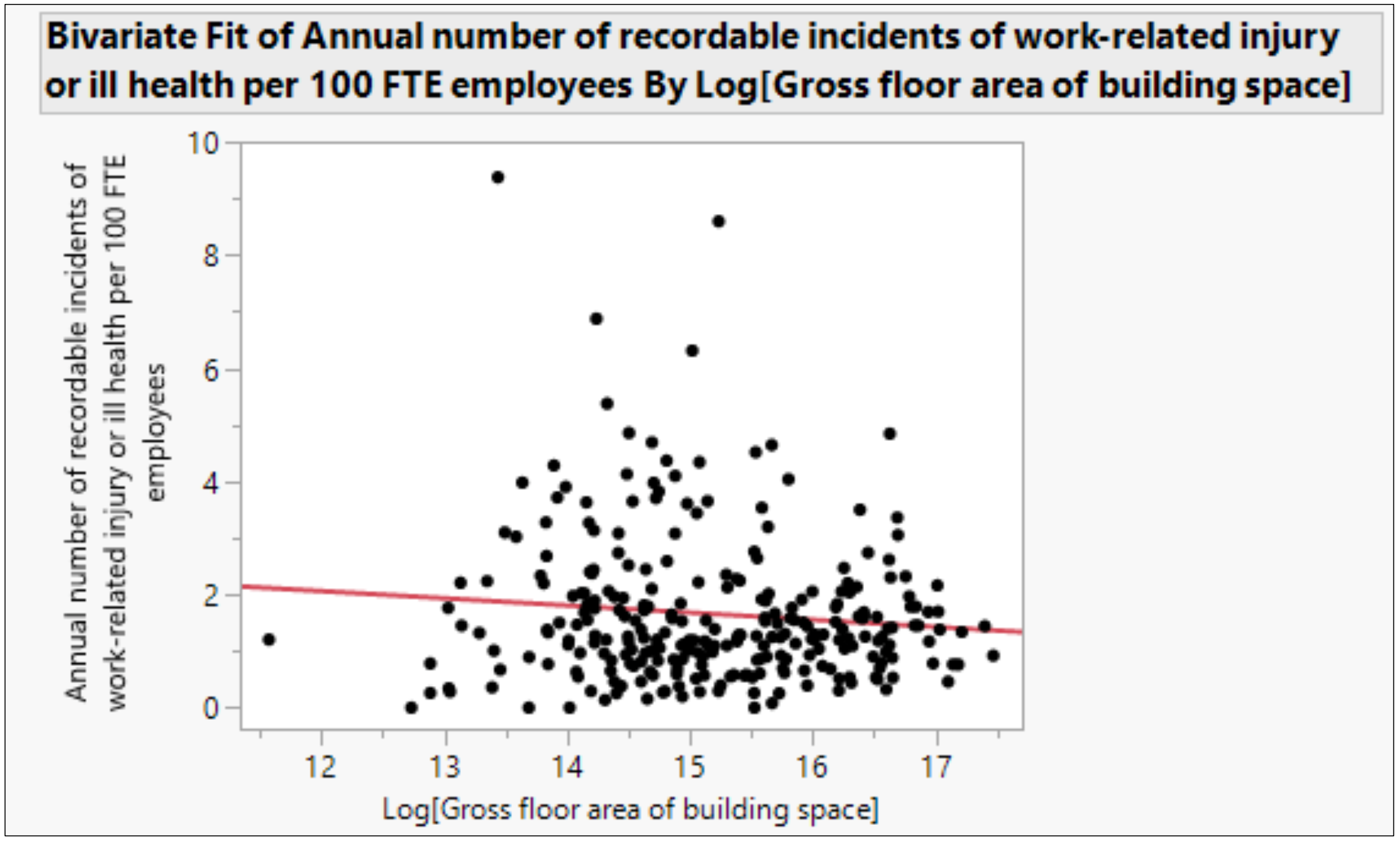
Figure 3 Bivariate Fit of Annual Number of OSHA Recordable Incidents of Work-related Injury or Ill Health per 100 FTE Employees by Log of Gross Floor Area of Building Space
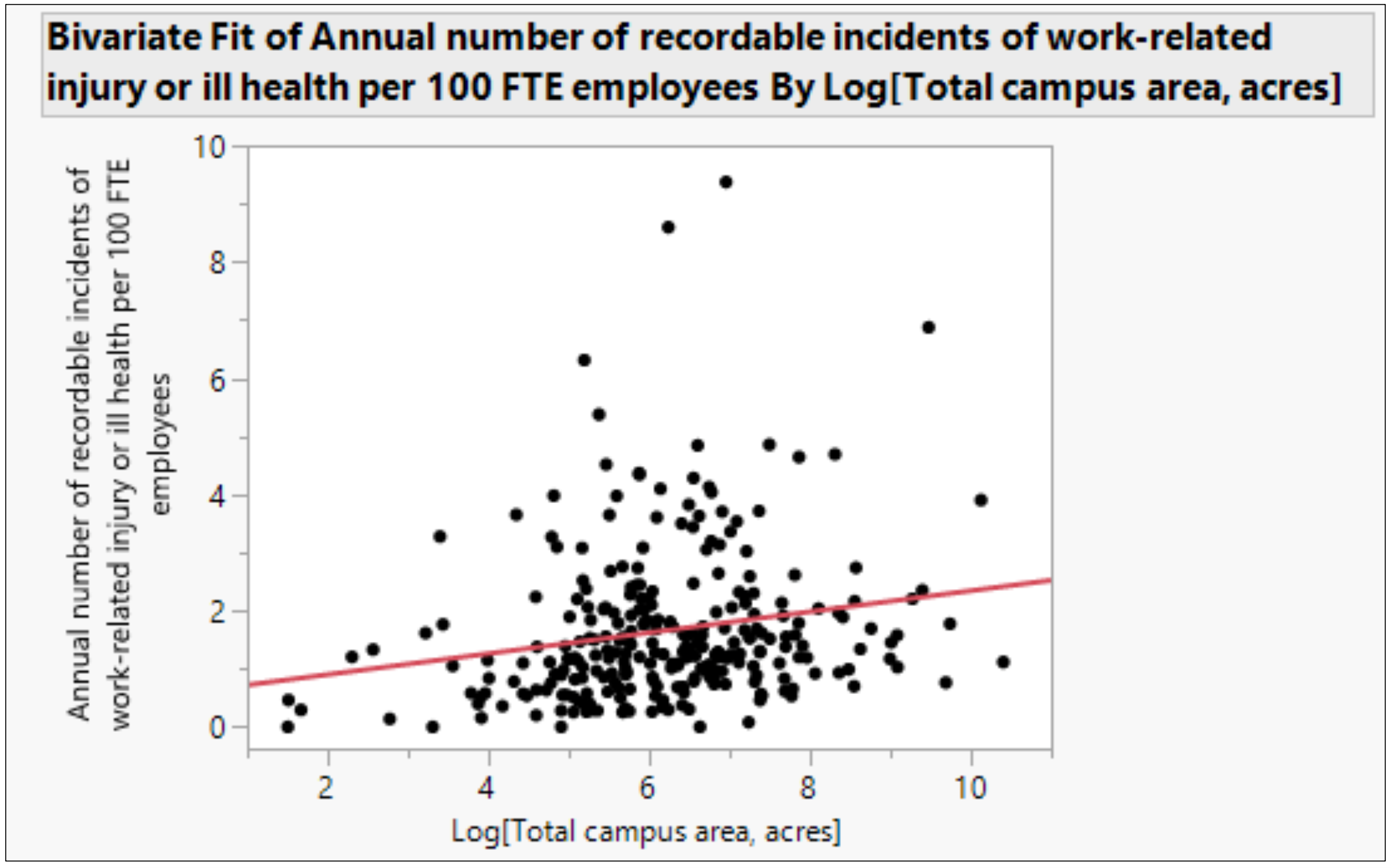
Figure 4 Bivariate Fit of Annual Number of OSHA Recordable Incidents of Work-related Injury or Ill Health per 100 FTE Employees by Log of Total Campus Area in Acres
Research Question 3:
In what ways might different STARS recognition levels (Gold, Silver) be associated with the frequency of work-related incidents on campus?
This analysis examined whether sustainability performance, as reflected by STARS recognition levels, was associated with differences in reported occupational injury rates (AASHE, 2025). This analysis explored whether institutions with higher levels of sustainability engagement, based on STARS recognition, reported different occupational injury rates. STARS recognition was used to reflect overall institutional engagement in sustainability, not the effectiveness of individual programs. Platinum-rated institutions were excluded due to the small sample size, limiting meaningful comparison. Results indicated that institutions with Gold-level STARS recognition reported fewer work-related incidents per 100 full-time equivalent employees than Silver-rated institutions. While the difference was modest between groups, the pattern was statistically significant across the sample.
Figure 5 presents the one-way analysis comparing reported occupational injury and illness rates by STARS recognition level. Together, these results describe patterns between sustainability engagement, institutional characteristics, and reported occupational injury outcomes, which are examined further in the Discussion.
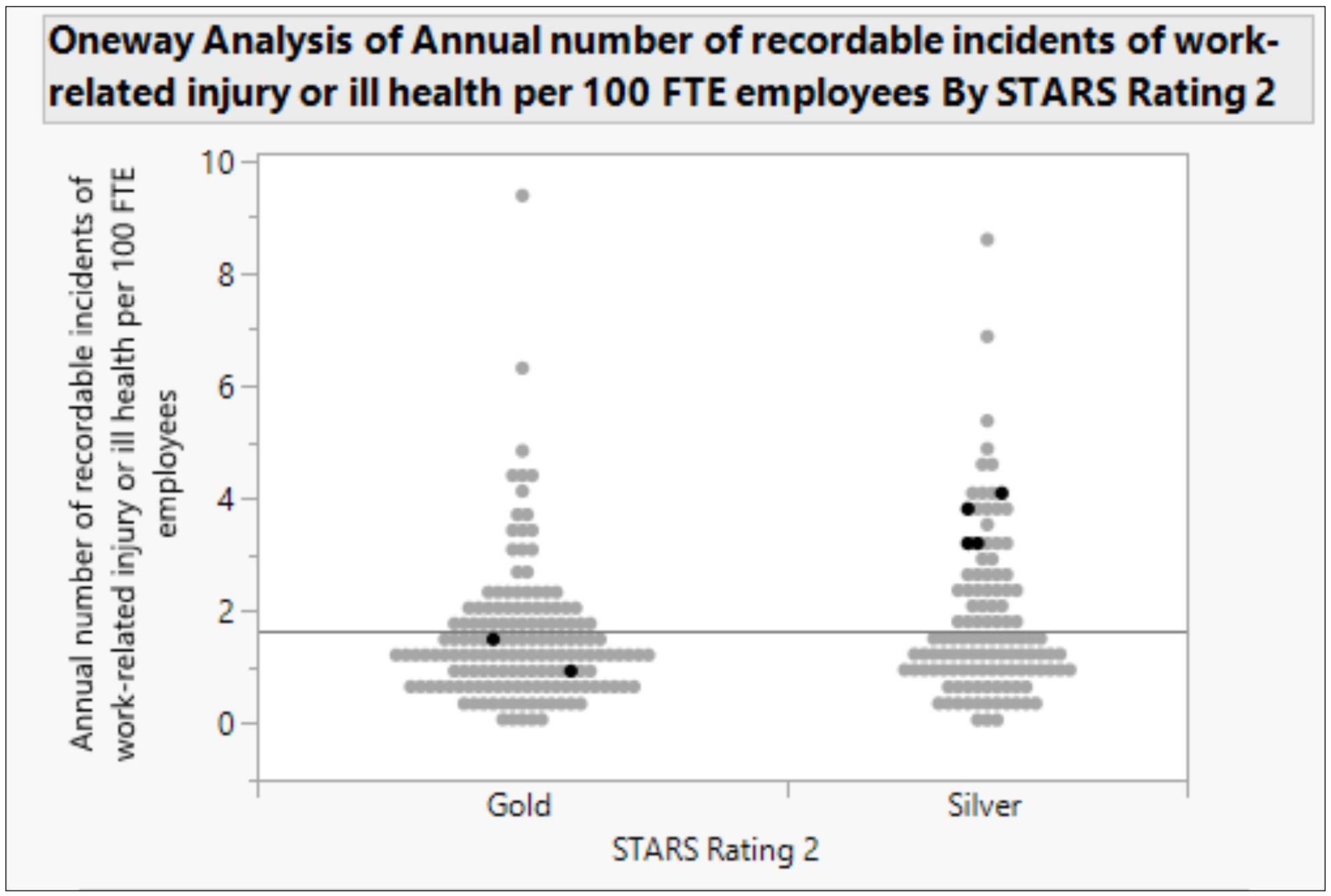
Figure 5 One-way Analysis of annual Number of OSHA Recordable Incidents of Work-related Injury or Ill Health per 100 FTE Employees by STARS Rating 2
Discussion
Findings from this study suggest that occupational safety and health should be considered an important part of campus sustainability strategies rather than only a compliance activity. Institutions demonstrating stronger sustainability engagement may benefit from more mature policy structures, cross-functional coordination, and proactive risk management practices that go beyond environmental initiatives.
Integrating occupational safety metrics into sustainability assessment frameworks such as STARS may help institutions better align environmental stewardship, human safety and well-being, and more operational strength. For campus leaders and sustainability professionals, these results highlight the potential value of connecting environmental sustainability efforts with occupational safety management systems to support safer, healthier, and more sustainable campus environments.
This study explored whether active sustainability engagement in higher education institutions is associated with improved occupational safety outcomes using STARS data as a measure of sustainability performance. The findings suggest that campuses with stronger sustainability engagement tend to report fewer occupational injuries, indicating that sustainability efforts and safety outcomes may be interconnected (LaHood, 2025). This study helps address a gap in the literature, as limited research has examined the relationship between institutional sustainability engagement and occupational safety outcomes in higher education. Institutions with higher STARS recognition levels may benefit from more coordinated governance structures, leadership commitment, and proactive management practices that support both sustainability and workplace safety.
Limitations
This study draws on data voluntarily reported through STARS, which reflects institutions actively engaged in sustainability assessment and learning. While this supports the study’s focus on sustainability practice, the findings may not represent institutions that do not participate in sustainability reporting. Injury and illness data are self-reported by institutions using OSHA-aligned definitions, and reporting practices may vary across campuses.
The study examines relationships at a single point in time and does not establish cause and effect. In addition, factors such as organizational culture and leadership practices were not directly measured. These limitations point to opportunities for future research that further explores how sustainability assessment supports learning, decision making, and continuous improvement in higher education.
Implications for Sustainability Education
The findings of this study indicate that sustainability education in higher education extends beyond the classroom to include institutional learning through practice. Sustainability assessment tools such as STARS support this learning by enabling institutions to review and reflect on performance outcomes such as occupational injury and illnesses data and apply the information to continuous improvements. By examining injury and illness outcomes alongside sustainability engagement, institutions can learn from past performance and apply those lessons to strengthen preventive practices. This framing contributes to the conceptual discussion of sustainability in higher education by illustrating how assessment data can support institutional learning and encourage a broader understanding of sustainability that includes workplace safety. For sustainability educators, administrators, and campus leaders, these findings emphasize the educational value of institutional data as a teaching and learning resource. When safety outcomes are embedded within sustainability frameworks, institutions model sustainability through daily operations, reinforcing learning by example for students, faculty, and staff. Integrating worker safety into sustainability assessment reinforces sustainability as a well-rounded activity and practice that includes human safety, health and well-being, which models sustainability through operations, and supports learning by example.
Implications for Teaching, Curriculum, and Professional Practice
The findings show that sustainability education includes not only what is taught in courses, but also how institutions operate and assess their own performance (Lozano et al., 2013); (Sterling, 2004). Occupational safety data reported through STARS can be used by faculty to help students understand sustainability as a real-world, systems-based practice that includes people, work environments, and decision making.
For administrators and sustainability professionals, using STARS to review safety data, set goals, and track improvement, supports organizational learning and continuous improvement (AASHE, 2019). This approach demonstrates sustainability by example, showing that campuses teach sustainability not only through curriculum, but through everyday planning, operations, and care for their workforce.
Conclusions
These results reinforce the idea that occupational safety should be viewed as a component of institutional sustainability rather than a separate compliance function. Integrating safety into sustainability planning may help campuses create safer, healthier, and more resilient environments.
From a sustainability education perspective, this integration also reflects how institutions learn and teach by example. When worker safety is included in sustainability planning and reporting, campuses demonstrate that sustainability includes people as well as environmental outcomes. Using assessment tools such as STARS to review safety outcomes allows institutions to identify gaps, set improvement goals, and track progress over time, supporting organizational learning and reinforcing sustainability values through daily institutional practices.
References
AASHE. (2019, June). Technical manual. The Sustainability Tracking, Assessment & Rating System. https://stars.aashe.org/resources-support/technical-manual/
AASHE. (2025). The sustainability tracking, assessment & rating system – (stars) is a transparent, self-reporting framework for colleges and universities to measure their sustainability performance. https://stars.aashe.org/
Clery Center. (2025).
Cortese, A. D. (2003). The critical role of higher education in creating a sustainable future. Planning for higher education, 31(3), 15–22.
LaHood, S. (2025). Occupational health and safety at u.s. higher education campuses: analyzing incident rates and factors using stars data [Dissertation]. https://www.proquest.com/openview/92c1a362e94582bece57e5dffaa73467/1?pq-origsite=gscholar&cbl=18750&diss=y
Lebeau, M., & Duguay, P. (2013). The costs of occupational injuries – a review of the literature [PDF]. http://www.irsst.qc.ca/media/documents/pubirsst/r-787.pdf
Lozano, R., Lukman, R., Lozano, F. J., Huisingh, D., & Lambrechts, W. (2013). Declarations for sustainability in higher education: Becoming better leaders, through addressing the university system. Journal of Cleaner Production, 48, 10–19. https://doi.org/10.1016/j.jclepro.2011.10.006
OSHA. (n.d.). 1904.7 – general recording criteria. Occupational Safety and Health Administration. https://www.osha.gov/laws-regs/regulations/standardnumber/1904/1904.7
OSHA. (2022). Leading indicators. https://www.osha.gov/leading-indicators#:~:text=Lagging%20indicators%20measure%20the%20occurrence,injuries%2C%20illnesses%2C%20and%20fatalities.
OSHA. (2025a). Leading indicators. Occupational Safety and Health Administration. Retrieved 2026, from https://www.osha.gov/leading-indicators
OSHA. (2025b). Safety management – management leadership. https://www.osha.gov/safety-management/management-leadership
Pawłowska, Z. (2015). Using lagging and leading indicators for the evaluation of occupational safety and health performance in industry. International Journal of Occupational Safety and Ergonomics, 21(3), 284–290. https://doi.org/10.1080/10803548.2015.1081769
Sterling, S. (2004). Higher education, sustainability, and the role of systemic learning. In (pp. 49–70). Springer Netherlands. https://doi.org/10.1007/0-306-48515-x_5
The Sustainability Tracking, Assessment & Rating System. (n.d.). About STARS. Retrieved 2026, from https://stars.aashe.org/about-stars/
Velazquez, L., Munguia, N., & Sanchez, M. (2005, December 1). Deterring sustainability in higher education institutions: An appraisal of the factors which influence sustainability in higher education institutions. International Journal of Sustainability in Higher Education, 6(4), 383–391. https://doi.org/10.1108/14676370510623865
Viera Trevisan, L., Leal Filho, W., & Ávila Pedrozo, E. (2024). Transformative organisational learning for sustainability in higher education: A literature review and an international multi-case study. Journal of Cleaner Production, 447, Article 141634. https://doi.org/10.1016/j.jclepro.2024.141634
Wals, A. (2013). Sustainability in higher education in the context of the UN DESD: A review of learning and institutionalization processes. Journal of Cleaner Production, 62, 8–15. https://doi.org/10.1016/j.jclepro.2013.06.007


 Sharon LaHood, Ed.D., is a Professor of Practice in the Department of Engineering & Technology Management at the University of Louisiana at Lafayette and serves as Student Engagement Coordinator for the College of Engineering. She is the Construction Management Program Coordinator and Engineering Structured Apprenticeship Program (ESAP) Coordinator. Her work focuses on occupational safety and health, construction management education, sustainability in higher education, and emerging technologies such as virtual and augmented reality for safety training and workforce development.
  Christopher L. Giroir, Ph.D., is a Professor in the Department of Educational Foundations & Leadership, specializing in higher education leadership, and Associate Dean for Administration and Academic Affairs at the University of Louisiana at Lafayette. His work focuses on student success, generational theory, men and masculinity in higher education, and higher education leadership and administration.
  Phillip Whitman, Ph.D., is Director of the Statistical Consulting Center at the University of Louisiana at Lafayette. He holds a Ph.D. from Princeton University and provides statistical support for applied and interdisciplinary research.